The landscape of B2B sales and marketing is undergoing a seismic shift. For decades, the top of the sales funnel was dominated by manual prospecting, static email sequences, and rigid, rule-based chatbots. Today, we are witnessing the rise of a new paradigm: AI agents for lead generation . Unlike their predecessors, these intelligent systems do not merely follow scripts—they observe, reason, conduct complex outreach , and optimize autonomously to drive revenue growth.

For enterprise organizations and agile startups alike, integrating an AI agent into the sales stack is no longer just an innovation strategy; it is a necessity for maintaining a competitive advantage. This article explores how autonomous agents are redefining the lead generation process, moving organizations from passive data collection to active, intelligent outreach and engagement.
From Automation to Autonomy: Defining the AI Agent
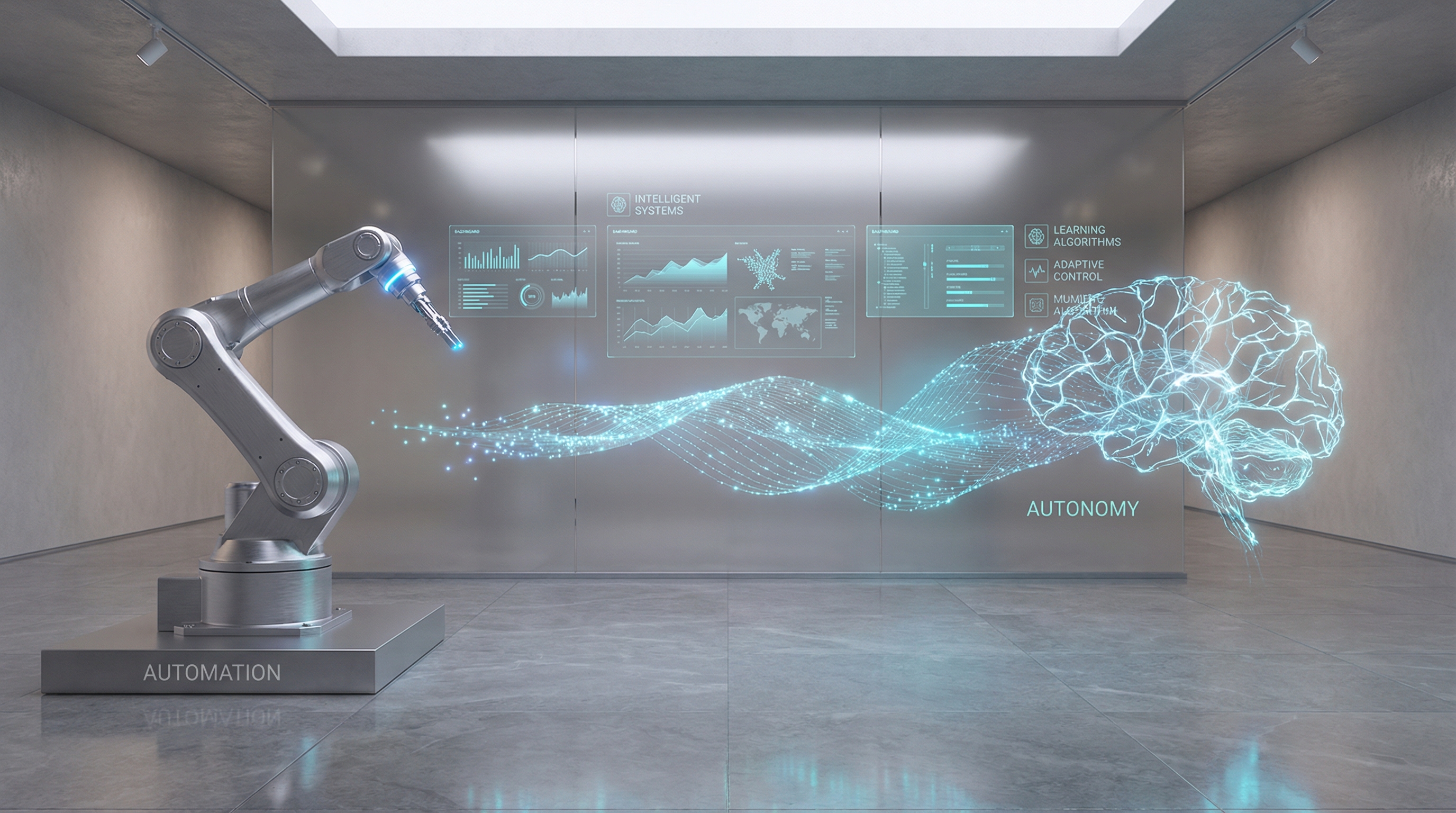
To understand the value proposition, one must distinguish between traditional automation and a true AI agent . Traditional automation tools (like legacy marketing platforms) require explicit instructions: "If X happens, do Y." They cannot deviate from the plan, often making outreach feel robotic and impersonal, which hampers effective lead generation .
AI agents , however, operate based on goals. Powered by advanced Large Language Models (LLMs), these agents possess "agency." You assign them a broad objective—such as "book meetings with CTOs in the fintech sector"—and the AI agent determines the necessary steps to achieve that outcome. In the world of high-stakes lead generation , this agency changes the game.
In the context of modern lead generation , an AI agent can autonomously execute the following:
- Research prospect data across the web to inform high-conversion outreach strategies.
- Personalize outreach messages based on recent company news, earnings calls, and specific stakeholder activity.
- Handle initial email or chat objections dynamically, keeping the lead generation momentum alive without human interference.
- Update the CRM without human intervention, ensuring outreach data is pristine and actionable.
How AI Agents Transform the Lead Generation Workflow
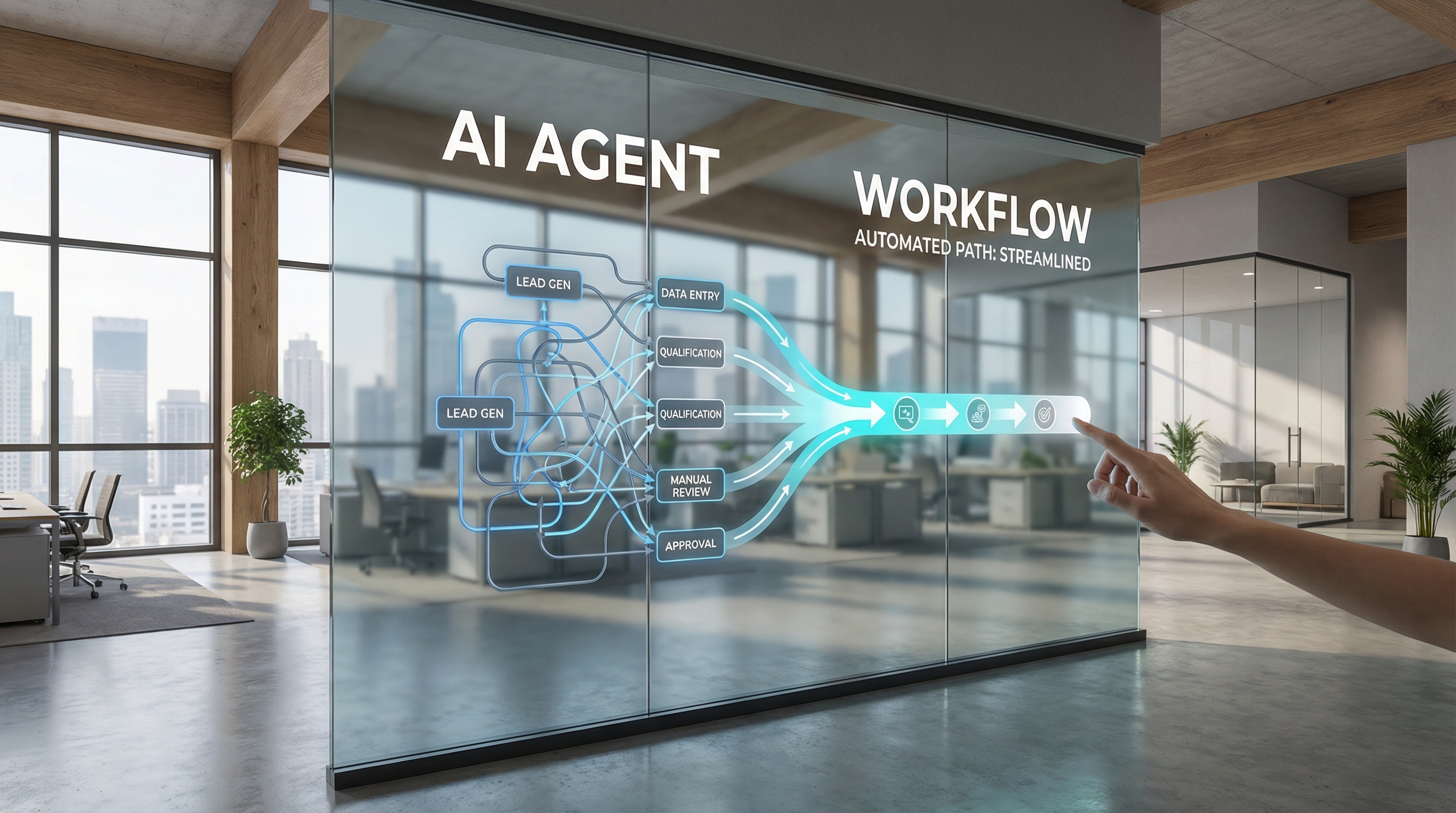
The integration of an AI agent creates a "hybrid workforce" where digital workers handle high-volume, repetitive cognitive tasks. This frees human SDRs (Sales Development Representatives) to focus on closing deals rather than grinding through initial outreach . Here is how agents are revolutionizing specific verticals of lead generation .
1. Hyper-Personalized Outreach at Scale
The "spray and pray" method of email outreach is obsolete. Modern buyers expect context. An AI agent can scan a prospect's LinkedIn profile, company earnings reports, and recent news articles to construct highly personalized messages. By analyzing this unstructured data, the AI agent crafts an outreach strategy that feels bespoke. This level of personalization significantly increases response rates in outbound lead generation campaigns, ensuring that your message cuts through the noise.
2. 24/7 Conversational Qualification
Speed to lead is a critical metric in successful lead generation . When a potential client engages with your site, an AI agent acts as an always-on SDR. Unlike a rigid chatbot, an AI agent can understand nuance, intent, and context during outreach interactions. It can ask qualifying questions (using frameworks like BANT), answer complex product queries, and schedule a meeting with a human counterpart only when the lead generation process verifies the prospect as high-value.
3. Autonomous Data Enrichment and Hygiene
Bad data kills sales pipelines and ruins outreach reputation. An AI agent can autonomously patrol your CRM, verifying contact information, flagging obsolete entries, and enriching lead profiles with new data points found on the open web. This ensures that your lead generation efforts are always directed toward viable targets, preventing your outreach from bouncing or hitting dead ends.
Strategic Benefits of Agentic AI in Sales

Deploying an AI agent offers measurable ROI across the sales organization. The impact on lead generation metrics is often immediate. Key benefits include:
- Reduced Customer Acquisition Cost (CAC): By automating labor-intensive top-of-funnel outreach activities, companies can drive lead generation at a fraction of the cost of manual SDR teams.
- Infinite Scalability: Human teams have capacity limits on how much outreach they can perform. An AI agent can scale up lead generation volume instantly to meet aggressive growth targets without the lag time of hiring and training.
- Consistency and Compliance: An AI agent adheres strictly to brand voice guidelines and regulatory frameworks, ensuring that every piece of outreach remains professional and compliant, reducing risk during lead generation .
Implementing AI Agents: A Roadmap for Success

Adopting this technology requires a strategic approach. To maximize the effectiveness of your AI agent in lead generation and outreach , we recommend a phased implementation.
Phase 1: Audit and Goal Setting
Identify bottlenecks in your current pipeline. Is your team spending too much time researching prior to outreach ? Are inbound opportunities falling through the cracks? Define the specific role the AI agent will play in your lead generation ecosystem to solve these friction points.
Phase 2: Tool Selection and Integration
Select platforms that offer true agentic capabilities rather than simple automation. Ensure these tools integrate natively with your source of truth (Salesforce, HubSpot, etc.). The AI agent must have read/write access to the CRM to function effectively and log every outreach attempt within the lead generation workflow.
Phase 3: Human-in-the-Loop Optimization
Initially, an AI agent should operate with human oversight. Specialized SDRs should review agent-drafted emails and chat logs. Over time, as the model fine-tunes its outreach approach based on successful lead generation outcomes, autonomy can be increased.
The Future is Agentic

We are standing at the precipice of a new era in sales. An AI agent is not here to replace the sales professional, but to elevate them. By offloading the grunt work of research, qualification, and initial outreach to autonomous systems, human sellers can return to what they do best: building relationships and solving complex problems.
Organizations that embrace an AI agent for lead generation today will build the infrastructure for market dominance tomorrow. The future belongs to those who can master autonomous outreach .
Author Block