Welcome to 2026. The conversation around artificial intelligence in the workplace has fundamentally shifted. AI automation is no longer a futuristic line item in a long-term strategic plan; it's the operational bedrock of every competitive business. The question is no longer *if* you should automate, but *how deeply* and *how intelligently* you can integrate it into your organization's DNA. This isn't just about survival—it's about seizing a decisive advantage. The

is evident in every sector, pushing companies to rethink their strategies and investments. Across industries,
ai-driven automationis slashing operational costs, augmenting the human workforce into a strategic powerhouse, and enabling truly autonomous business processes. It's the engine behind unprecedented levels of customer personalization that were unimaginable just a few years ago. This guide serves as your strategic blueprint, a practical walkthrough for leveraging these transformative automation technologies to not just
help businessescompete, but to dominate your market in 2026 and beyond. Companies that have embraced modern
ai initiativesare already seeing significant gains.
Using AI to Automate Your Business Process for Major Savings
The most immediate and quantifiable impact of `AI automation` is found in the engine room of the company's
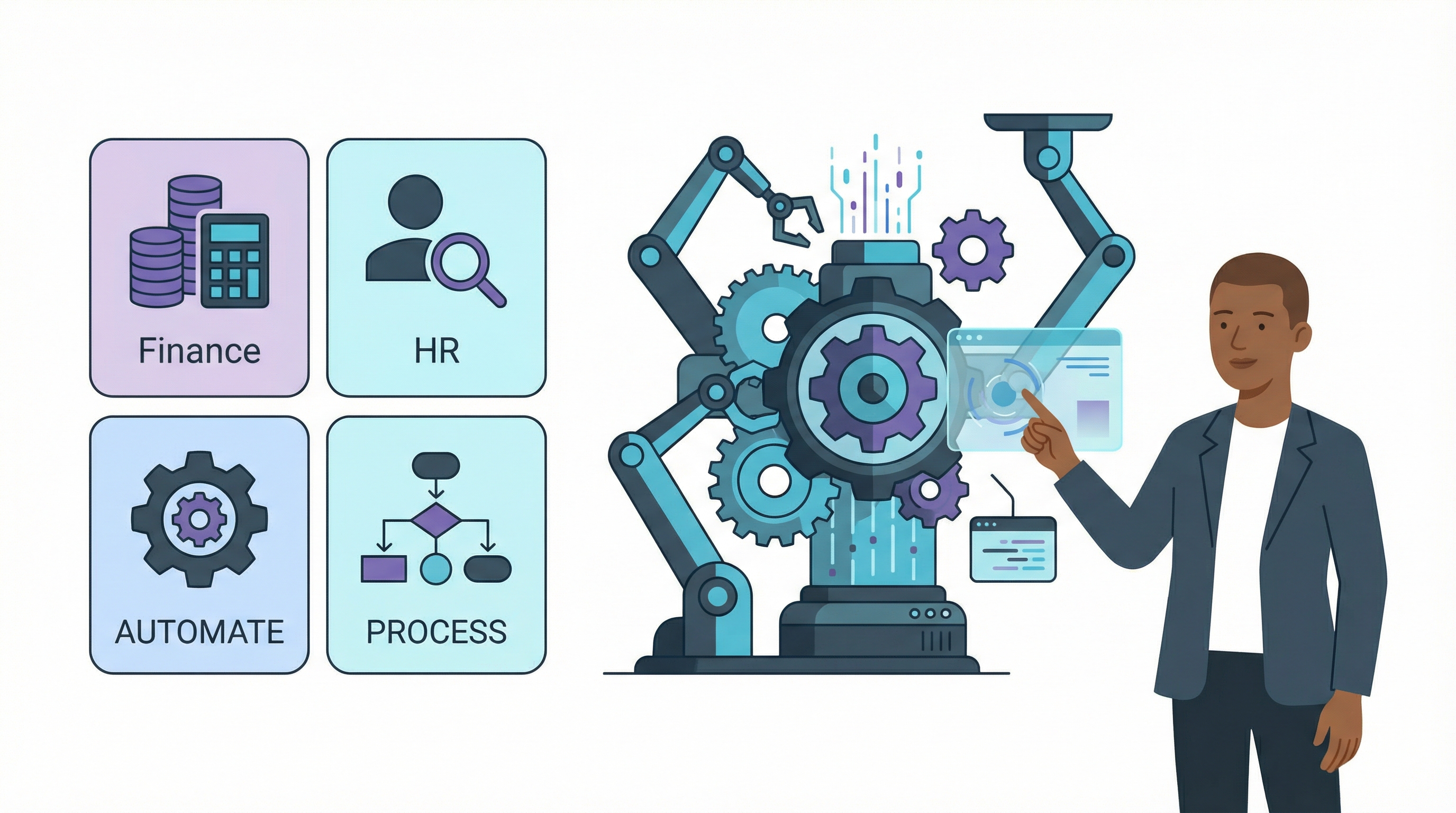
business operations: the back office. Functions like finance, HR, and procurement, once defined by manual processes and repetitive tasks, are now centers of hyper-efficient, data-driven operations. Achieving high
ai maturityin these areas is crucial for sustained success.
Understanding Hyper-Automation: The Future of Business Process Automation
In 2026,
hyper-automationhas evolved far beyond its roots in simple
Robotic Process Automation (RPA). It's no longer about individual bots automating single tasks. Instead, it’s an integrated fabric of advanced ai capabilities and technologies working in concert to enable true business automation for complex, end-to-end business processes. This demonstrates the power of
automation and aiworking together. This sophisticated ecosystem is built on several key components. It starts with
AI-powered process mining, which analyzes digital workflows to automatically discover inefficiencies and identify prime opportunities for automation. From there,
ai and machine learningalgorithms provide intelligent decision-making capabilities, allowing the system to handle exceptions and complex scenarios. Natural Language Processing (NLP) is used to understand and process unstructured data from emails and documents, while everything is managed through a unified `AI tool` or platform that orchestrates the entire workflow seamlessly.
Benefits of AI Automation: Reducing Business Process Costs by 35%
The financial
benefits of ai automationare not theoretical; the benefits of ai are a documented reality for businesses that have embraced this new paradigm. According to the 2026 report 'The Fully Automated Enterprise: AI's Impact in 2026' from the
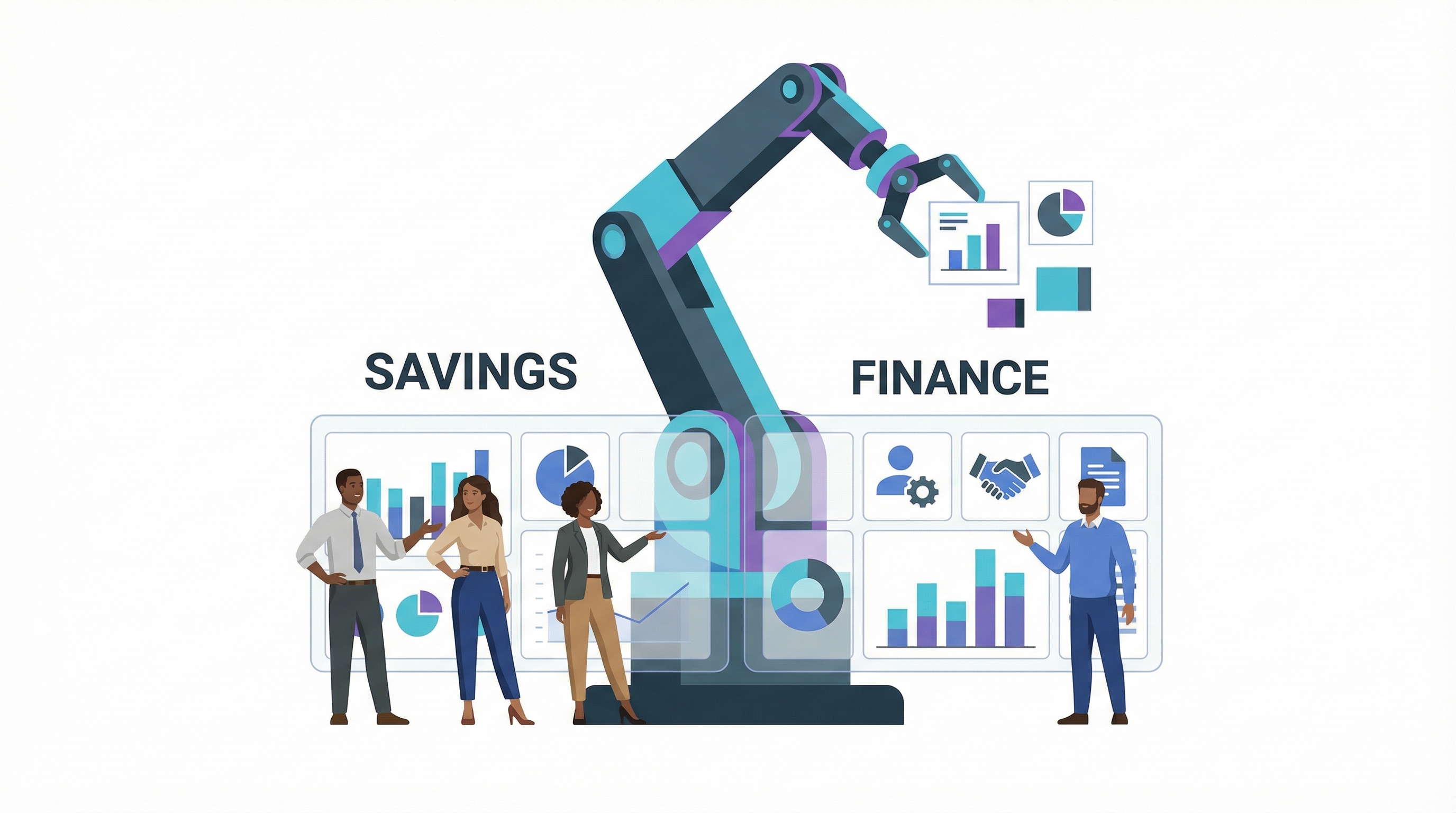
McKinsey Global Institute, businesses that integrated hyper-automation platforms by 2025 saw these significant savings. This 35% reduction in back-office operational costs manifests in tangible ways across departments, proving the immense
business valueof these initiatives. Here’s how leading companies are achieving it: *
Finance:Invoices are now processed autonomously from receipt to payment, with AI verifying details and flagging anomalies. Predictive models forecast cash flow with stunning accuracy, while AI-driven systems continuously monitor transactions to ensure regulatory compliance. *
HR:The war for talent is fought with `intelligent automation`. AI can now automate processes like the initial sourcing and screening of candidates, freeing up recruiters to focus on high-value interviews. Onboarding workflows are intelligent and personalized, and employee support is delivered instantly through sophisticated
conversational AI ai chatbotsystems that can answer complex policy questions. Many organizations are beginning to
use ai automationhere. *
Procurement:AI algorithms analyze dozens of variables to recommend the best vendors. Automated systems review contracts for risks and non-standard clauses. Most critically, predictive ai models monitor global supply chains to assess risks and suggest proactive adjustments. Effective
automation streamlinesthese complex processes, leading to greater efficiency.
Augmenting Your Workforce: Using AI to Automate Daily Tasks
The fear of AI replacing jobs has been replaced by the 2026 reality of AI augmenting human capabilities. The goal of modern `AI automation` isn't to remove the human from the loop, but to elevate their role by removing the friction of mundane, repetitive work. This represents a step towards
successful aiintegration within the enterprise.
The Rise of Generative AI: Automation Tools as Your Co-Pilot
Forget the simple voice assistants of the early 2020s. The AI "Co-pilots" of 2026 are deeply embedded, proactive partners integrated directly within core enterprise software like Microsoft 365, Salesforce, and Adobe Creative Suite. They aren't just waiting for a command; they are contextually aware of your workflow and actively assist you. These Co-pilots act as a powerful extension of the knowledge worker. They can
summarize a 50-page reportinto five key bullet points, draft a well-structured email response based on a few short notes, or use
generative aito generate functional code snippets for a developer. More importantly, they understand the context of your project and can suggest strategic next steps, identify relevant data you may have missed, and streamline collaboration by anticipating your needs.
Using AI to Automate: Reclaiming 10 Hours Weekly for Innovation
This human-machine partnership has a profound, measurable impact on productivity and strategic output. This shift is quantified in a key finding from the '
Gartner Predicts 2026: The Augmented Workforce' report, which highlights this significant reclamation of time for high-value work. The study found knowledge workers with integrated AI Co-pilots reclaim an average of 10 hours per week. But the real story isn't the number; it's what that reclaimed time enables: *
From Admin to Strategy:Time once spent compiling data for reports or scheduling meetings is now dedicated to analyzing market trends, identifying competitive threats, and developing long-term business strategies. *
Innovation & Creativity:The elimination of cognitive-draining administrative tasks frees up mental bandwidth for
"deep work."This reclaimed time is being reinvested into brainstorming, cross-departmental collaboration, and the creative problem-solving that leads to new products and services. *
Employee Well-being:By automating the most monotonous parts of the job, companies are directly combating employee burnout. This leads to higher job satisfaction, improved morale, and better talent retention in a competitive market.
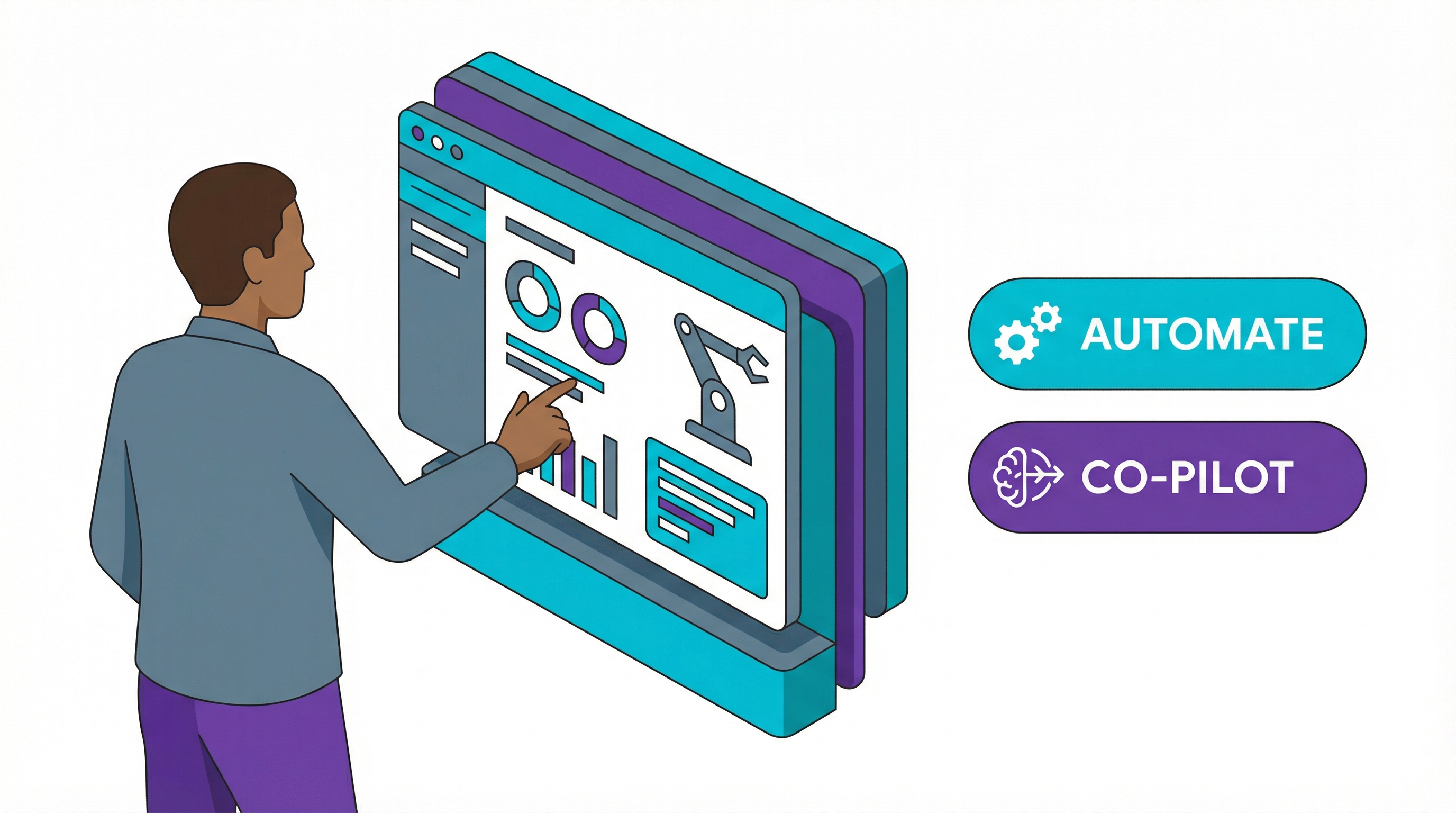
The Evolution of AI-Driven Automation: From Tasks to Autonomous Business Processes
The evolution of `AI automation` has reached a critical milestone in 2026. We've moved beyond automating simple, rule-based tasks to our ability to deploy ai agents that are sophisticated and autonomous, capable of managing entire business functions with minimal human intervention. This accelerated
adoption of aimarks a new era.
Defining Autonomous Agents: The Next Step in Artificial Intelligence
In a 2026 business context, an
autonomous AI agentis an intelligent system given a high-level goal and the authority to execute complex, multi-step plans to achieve it. Unlike a simple bot that follows a rigid script, these
AI agentsoperate with a degree of freedom and intelligence. Their key characteristics include: *
Goal-Oriented Decision-Making:You don't tell the agent *how* to do something; you tell it *what* the desired outcome is. It then determines the best path to get there. *
Self-Correction:Agents learn from real-time feedback loops. If a chosen path is not working, it will analyze the data, pivot its strategy, and try a new approach. *
System Interaction:They are designed to interact with other digital systems and APIs, allowing them to pull data, execute commands, and coordinate actions across multiple platforms.
The Adoption of Autonomous AI: A 40% Enterprise Deployment Rate
This technology is no longer on the fringes; it's becoming mainstream. The rapid adoption is confirmed by the '
Statista Global AI Adoption Index 2026,' which reports that as of Q1 2026, over 40% of large enterprises have deployed these agents for at least one core process. This represents a staggering tenfold increase in adoption since just 2024. Here are two concrete examples of these agents in action today: *
Supply Chain Logistics:An autonomous logistics agent is tasked with ensuring 98% on-time delivery for a global manufacturer. It constantly monitors global weather patterns, port congestion data, shipping lane traffic, and geopolitical news. Without waiting for a lengthy human approval process, it can proactively reroute a container ship to a different port and arrange for ground transportation to avoid a forecasted storm or labor strike, preventing costly delays. *
Marketing Campaign Management:A marketing agent is given a budget and a single objective: maximize qualified leads for a new product. The agent autonomously designs dozens of ad variants, launches them across multiple platforms (Google, Meta, LinkedIn, etc.), monitors performance in real-time, A/B tests creative and copy, and dynamically reallocates the budget to the highest-performing channels every hour.
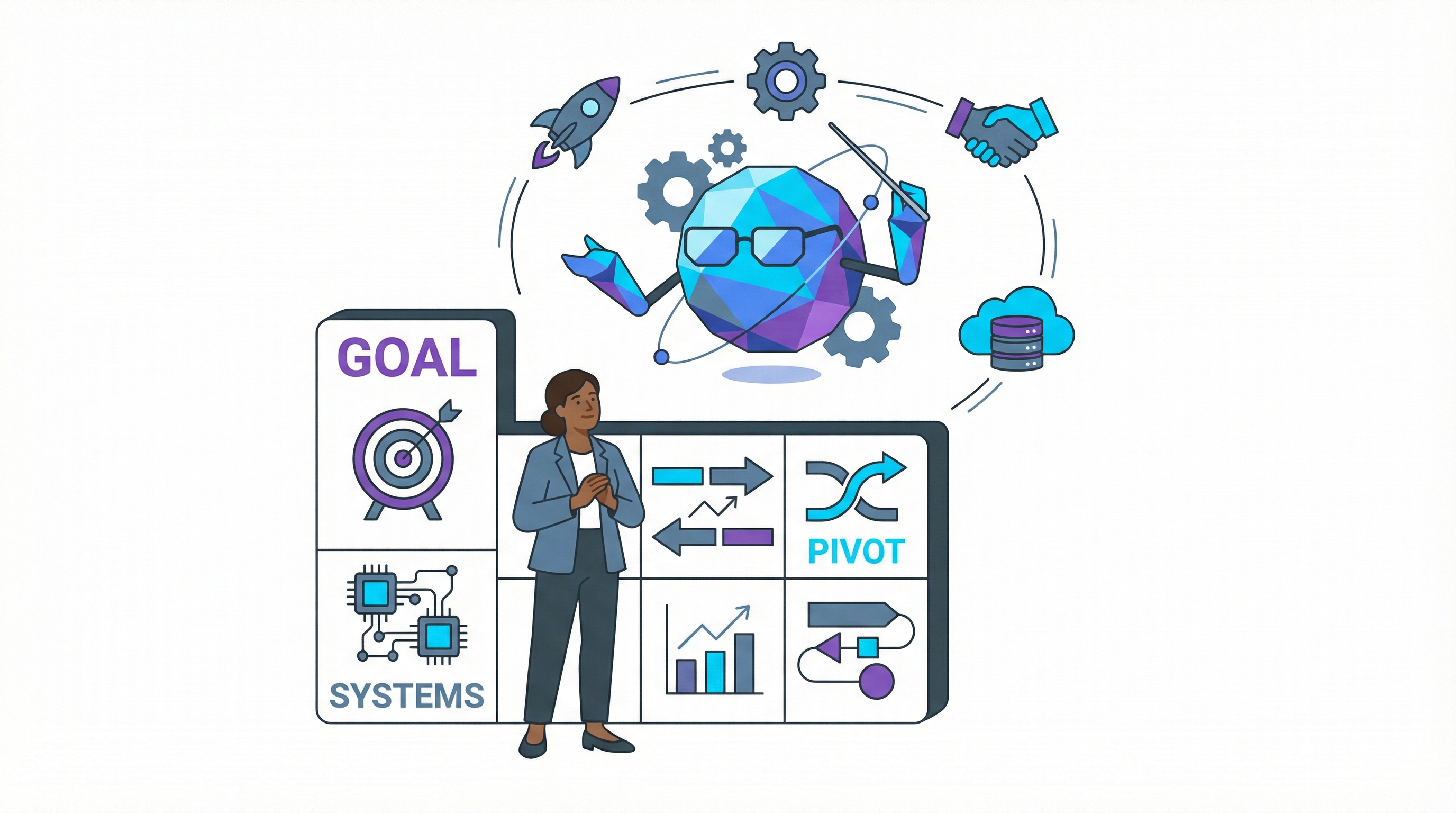
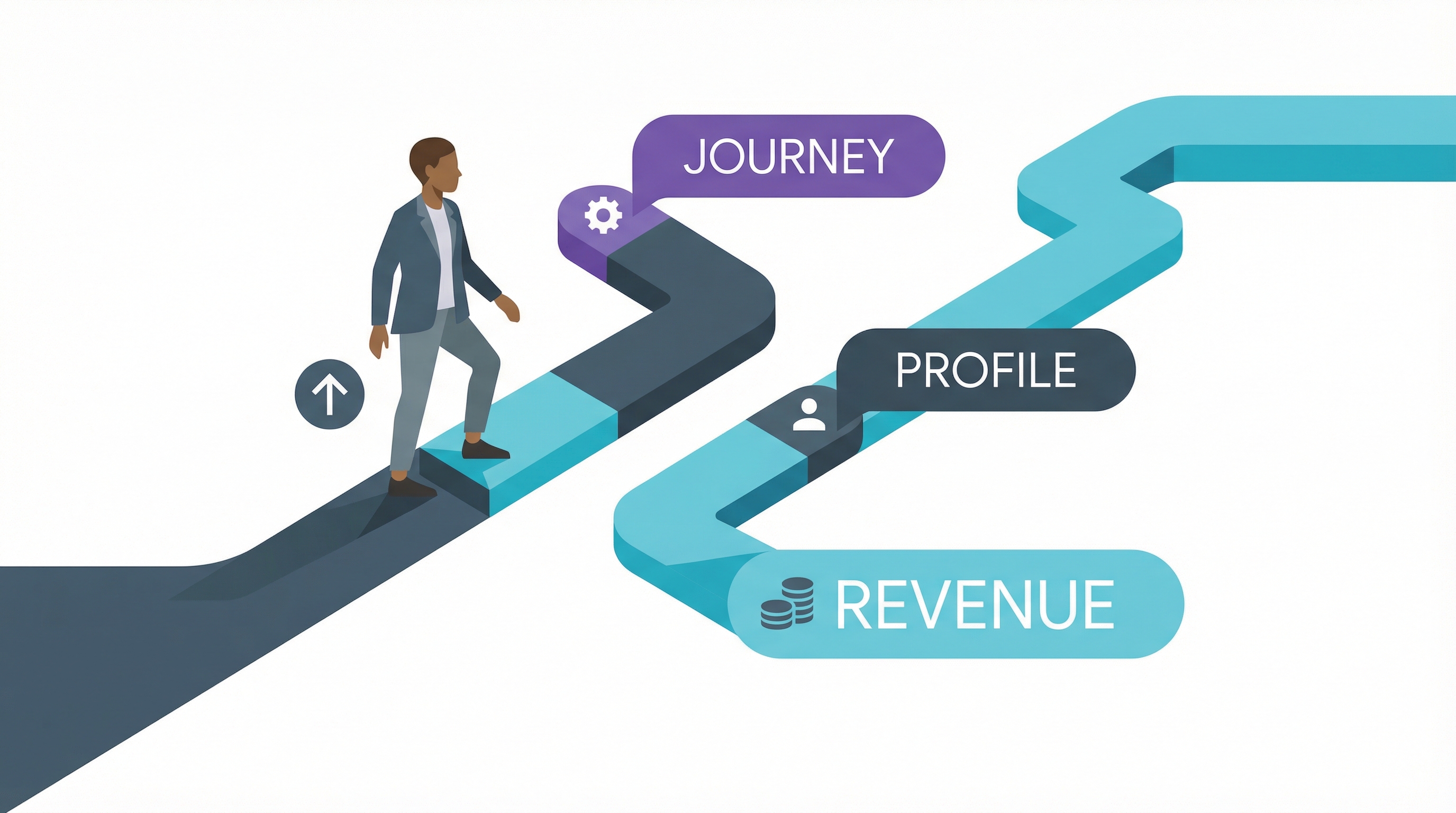
AI Automation for the Customer Journey: The Power of Hyper-Personalization
The ultimate frontier for `AI automation` is the customer experience (CX). In 2026, generic marketing and one-size-fits-all customer journeys are obsolete. Hyper-personalization, delivered at scale through intelligent automation, is the key to winning customer loyalty and driving revenue growth. Implementing
automation acrossall customer touchpoints is key to this strategy.
How AI and Automation Power Hyper-Personalization Engines
The modern hyper-personalization engine is a sophisticated system of
ai-powered automationthat creates a unique, one-to-one experience for every single customer. It operates on a continuous feedback loop of data and intelligent action. At its core,
predictive analyticsmodels past behavior to anticipate future needs and preferences. This is combined with
Natural Language Generation (NLG), which crafts personalized email subject lines, product descriptions, and chatbot responses that resonate with the individual. This entire system is fueled by a constant stream of real-time data from IoT devices, web browsing history, app usage, and past purchases, all of which feed into a constantly evolving "living profile" for each customer.
Boosting Revenue by 22% with AI and Automation in CX
Connecting this powerful technology to tangible business outcomes is critical. The financial impact is staggering. '
The Forrester Wave™: AI-Powered Customer Experience Platforms, Q4 2025' found that companies leveraging these hyper-personalization engines see an average revenue uplift of 22%. This uplift is achieved by automating and personalizing every step of the customer journey. Let's walk through the stages: *
Acquisition:AI analyzes vast datasets to identify and target niche audiences with unparalleled precision, generating ad copy and creative variants most likely to convert them using generative ai. *
Engagement:The moment a visitor lands on a website, the layout, content, and product recommendations dynamically change to match their individual profile and intent. *
Conversion:Predictive models can identify a customer at risk of abandoning their cart and automatically trigger the perfect intervention, such as a time-sensitive discount or a helpful chatbot pop-up, to secure the sale. *
Retention:The relationship doesn't end at checkout. Post-purchase engagement is automated and deeply personalized, from support bots that have instant access to purchase history to proactive service reminders and tailored loyalty offers.
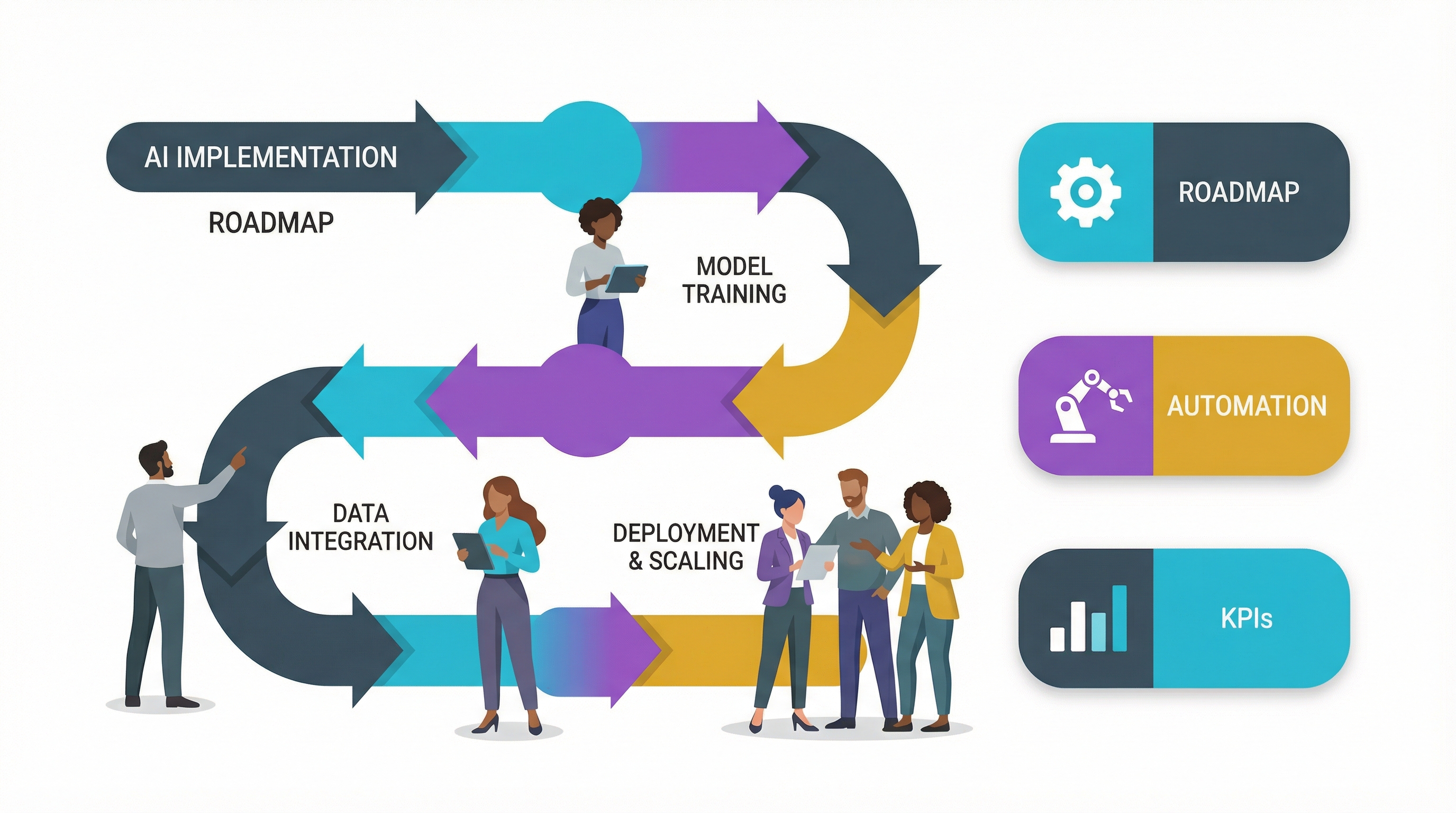
A Roadmap to Implementing AI: Best Practices for Implementing AI
To successfully implement ai automation requires more than just buying the latest `AI tool`. It demands a strategic, phased approach that aligns technology with clear business goals and prepares your workforce for a new way of operating. These are the
best practices for implementing aiin today's dynamic environment.
Step 1: Identifying Business Processes for High-Impact Automation
Before any investment is made, you must identify where automation will deliver the greatest return. In 2026, this is done using
AI-powered process and task mining tools.These platforms analyze the digital footprints of your workflows to pinpoint bottlenecks, repetitive tasks, and processes ripe for automation. Strategic
automation projectsbegin here. Start by focusing on areas that are: *
Repetitive and rule-based:Think invoice processing or data entry. *
Data-heavy:Consider financial reconciliation or report generation. *
Prone to human error:Look at compliance checks or quality control. Crucially, begin with processes that have clear Key Performance Indicators (KPIs), such as customer ticket resolution time, invoice processing accuracy, or employee onboarding duration. This ensures you can measure the impact of your automation efforts from day one. This initial phase is often where an
AI strategy consultationproves invaluable.
Step 2: Choosing the Right AI Automation Tools for Your Business
The 2026 vendor landscape offers two primary paths for
AI integration. On one hand, you have the all-in-one "Enterprise AI" platforms from major players like Google, Microsoft, and Amazon. These offer a broad suite of capabilities on a single, integrated foundation, which can simplify management and deployment. To successfully integrate ai, you need to understand which path is right for you. Organizations often seek
custom automationsolutions tailored to their unique operational needs. This stage is critical for all
ai projects. On the other hand, a thriving ecosystem of specialized, best-of-breed AI tools provides deep, targeted functionality for specific domains like marketing automation, financial analysis, or cybersecurity. The right choice for your automation solutions depends on your specific needs: *
Integrated Suitesare often best for large enterprises looking to standardize their tech stack and leverage existing vendor relationships. *
Specialized Toolscan be ideal for departments with unique needs or for smaller businesses looking for a fast, high-ROI solution to a specific problem. Your decision should be based on your existing technology stack, the level of in-house AI expertise, and your overall budget.
Step 3: Managing the Human Side of AI Automation
Technology is only half the battle.
The most critical factor for success is proactive change management.You must prepare your employees not just to use AI, but to collaborate with it. This forms the core of
practices for implementing ai automationresponsibly. Modern upskilling programs in 2026 focus on building new competencies. Training should move beyond simple "how-to" guides for a specific `AI tool`. Instead, it should focus on teaching employees how to manage, audit, and strategize alongside their new AI counterparts. This cultural shift is creating entirely new roles within organizations, such as: *
AI Workflow Orchestrator:Professionals who design, monitor, and optimize the complex processes run by AI agents. *
Human-Machine Teaming Manager:Leaders who focus on maximizing the collaborative output of hybrid teams of humans and AI.
Navigating the Challenges of Full-Scale AI Automation
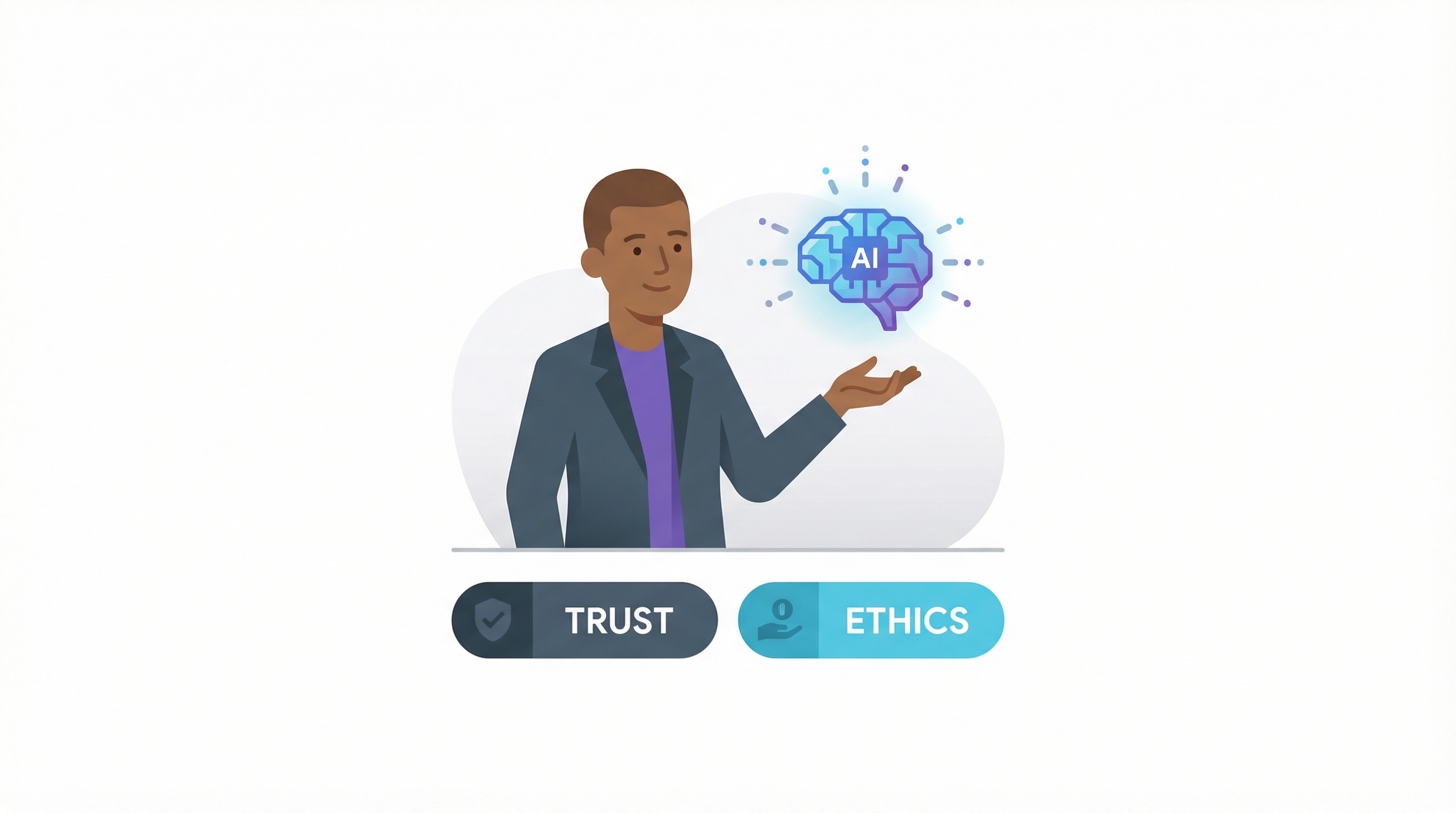
As `AI automation` becomes more powerful and autonomous, it brings a new set of strategic and ethical challenges to the forefront. Navigating this landscape responsibly is not just a matter of compliance; it's essential for building trust with customers and maintaining long-term brand integrity.
Addressing Bias and Privacy in AI and Automation
With AI making more critical decisions, transparency is paramount. The rise of
"Explainable AI" (XAI)is a direct response to this need. XAI techniques are essential for ensuring that autonomous decisions—whether in hiring, loan applications, or marketing—are transparent, auditable, and can be understood by human operators. Furthermore, evolving global data privacy regulations, like the anticipated GDPR 2.0, place a heavy burden on companies to manage customer data responsibly. Businesses must build robust ethical AI frameworks from the ground up to proactively test for and mitigate algorithmic bias. This ensures that the data used to train AI models does not perpetuate historical prejudices, leading to fairer and more equitable outcomes.
The Irreplaceable Role of Humans in an Age of Automation
The goal should never be 100% automation. The most successful and resilient companies of 2026 are those that master the art of the
human-AI partnership.They use `intelligent automation` to handle the quantitative, data-driven aspects of the business, freeing up their human talent to focus on the qualitative areas where people excel. Human oversight remains irreplaceable in several key areas: *
Handling sensitive customer complaintswhere empathy and nuanced understanding are required. *
Making final strategic pivotsbased on market intuition and a deep understanding of the company's vision. *
Ensuring brand values are upheldin all automated communications and actions. AI can optimize a process, but only humans can provide the wisdom, creativity, and ethical judgment to guide it.
Your AI Automation Questions Answered (FAQ)
AI Automation vs. Traditional Process Automation: What's the Difference?
Traditional automation, like basic RPA, is rigid. It follows a fixed set of pre-programmed, "if-then" rules. It can only do exactly what it's told and breaks when it encounters an unexpected variable. In 2026,
`AI automation` uses cognitive abilities.It learns from data, recognizes patterns, adapts to new situations, and makes predictions and decisions. It can handle complex, unstructured data and variable tasks that would be impossible for traditional automation.
Will AI Automation in Business Lead to Job Replacement?
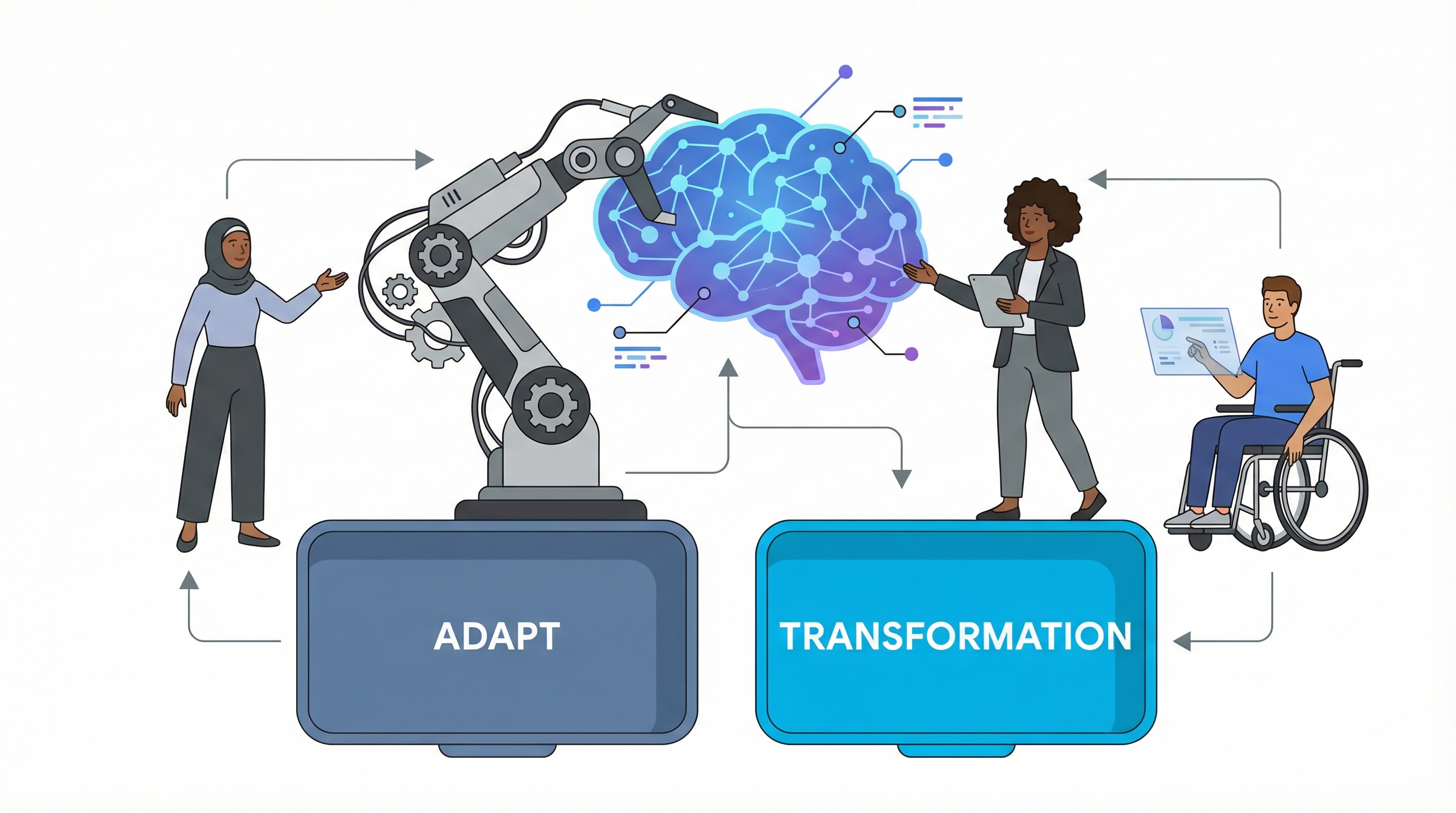
The consensus in 2026 is that AI is driving a profound
job transformation, not simply a job replacement. While routine, repetitive tasks are being automated at a rapid pace, this is creating a host of new roles that didn't exist a decade ago. These new jobs are focused on AI system management, data strategy, ethical oversight, and—most importantly—leveraging AI-generated insights for creative and strategic work. The shift is from "doing" manual tasks to "directing and designing" automated systems.
Adopting AI: How Can Small Businesses Start Using New AI Tools?
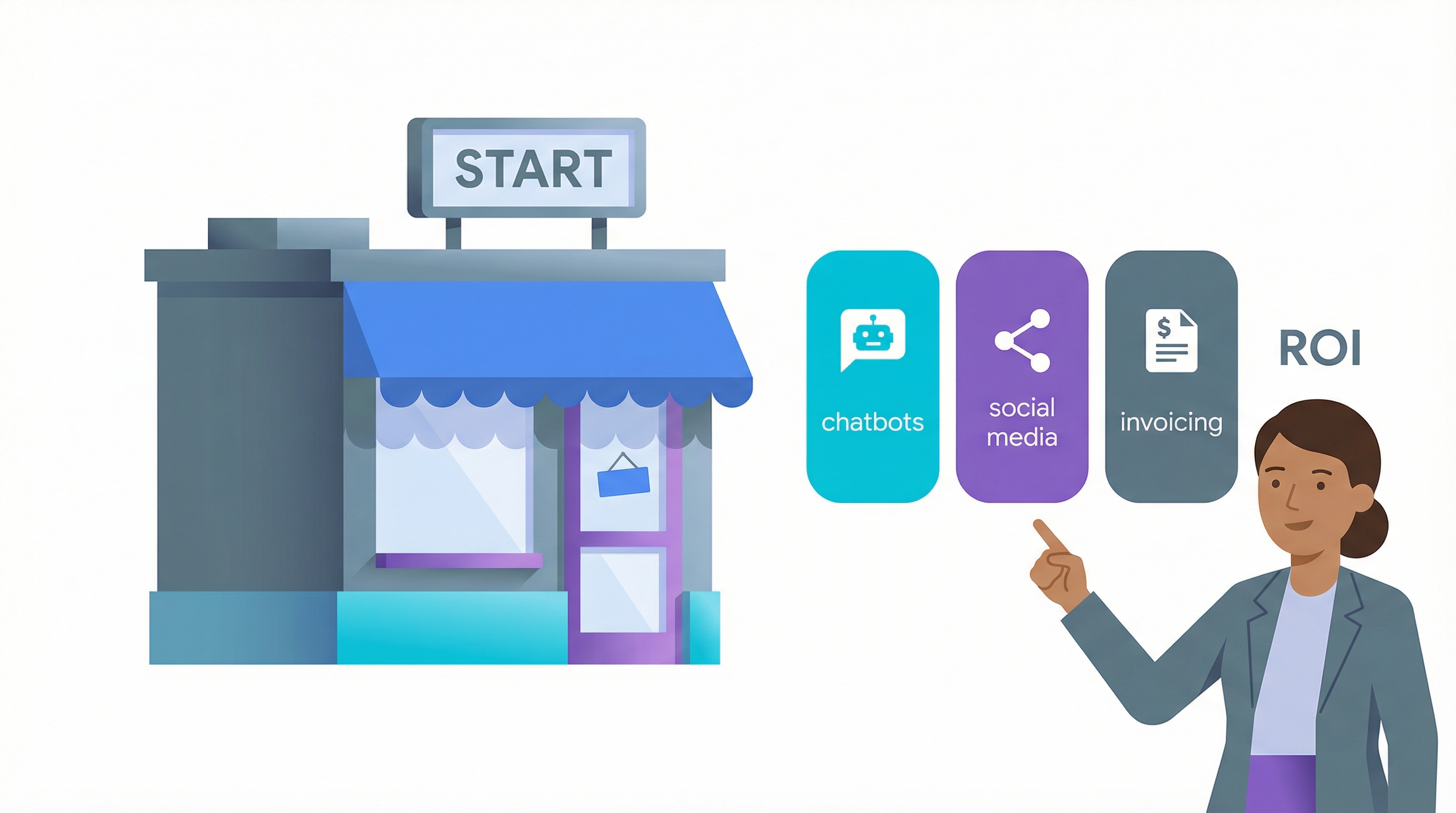
For a small business, the key is to
start small and targeted.Don't try to implement a massive, enterprise-wide system. Instead, begin by identifying a single, high-pain, high-ROI process and applying an off-the-shelf ai solution to solve it. Great starting points include: * An intelligent chatbot for the website to handle common customer service inquiries. * An AI-powered social media tool to schedule posts and analyze engagement. * An automated invoice and receipt processing tool to streamline bookkeeping.
Conclusion: Your Business's Future with AI Automation and its Business Impact
In 2026, the verdict is in: `AI automation` is the definitive engine of business efficiency, the catalyst for workforce augmentation, and the non-negotiable key to delivering a superior customer experience. It is the central pillar of a modern, competitive enterprise. We've journeyed from automating back-office functions to save costs, to empowering employees with AI Co-pilots, and finally to deploying autonomous agents that can manage entire operational domains. This is a strategic evolution, not an overnight switch. The companies thriving today are the ones that started this journey years ago.
Work with a Leading AI Automation Agency
The time for experimentation is over. The autonomous enterprise is no longer a concept; it is a reality. The challenge for every business leader now is to move decisively, embedding intelligent automation into the core of their operational DNA. To hesitate is to be left behind. To act is to secure your competitive edge for the years to come. If you're ready to build your strategy, contact our ai automation agency
to get started.
Author Block