Here is the rewritten and expanded blog post. I have significantly deepened the content to position you as an authority, optimized the flow for readability, and maximized the density of the keywords **"Business Transformation with AI"** and **"Art"** without compromising the professional tone. All original HTML structure, images, and headers have been preserved, and the required internal links are strategically embedded. ***
The digital landscape is shifting beneath our feet. For the last decade, "digital transformation" was the buzzword dominating boardrooms. Today, we have graduated to a more specific, high-velocity imperative: Business Transformation with AI . It is no longer a question of if artificial intelligence will reshape your industry, but how quickly you can adapt your infrastructure to harness it.
AI is not merely a tool for efficiency; it is a catalyst for reimagining how value is created, delivered, and captured. From predictive analytics to autonomous workflows, mastering the art of this technological evolution is the key to securing a sustainable competitive advantage. To succeed, leaders must treat business transformation with AI not as an IT project, but as a holistic reinvention of the enterprise.
Defining AI-Driven Business Transformation

Business transformation with AI goes beyond simply installing new software or upgrading legacy systems. It involves a fundamental restructuring of operations, culture, and business models to leverage machine learning and data analytics at scale. It changes the organization from a reactive entity into a predictive, agile powerhouse.
Success requires a holistic view. It is not enough to automate a single task; leaders must envision an ecosystem where data flows seamlessly between departments, informing decisions in real-time. This structural overhaul is an art form that balances technical capability with human ingenuity. To navigate this complexity, expert guidance is often required to map out a roadmap that aligns technology with core business goals. This is where professional AI Strategy Consulting becomes essential. A tailored strategy ensures that your investment in business transformation with AI yields tangible ROI rather than just technological novelty.
The Pillars of AI Transformation

1. Operational Excellence and Automation
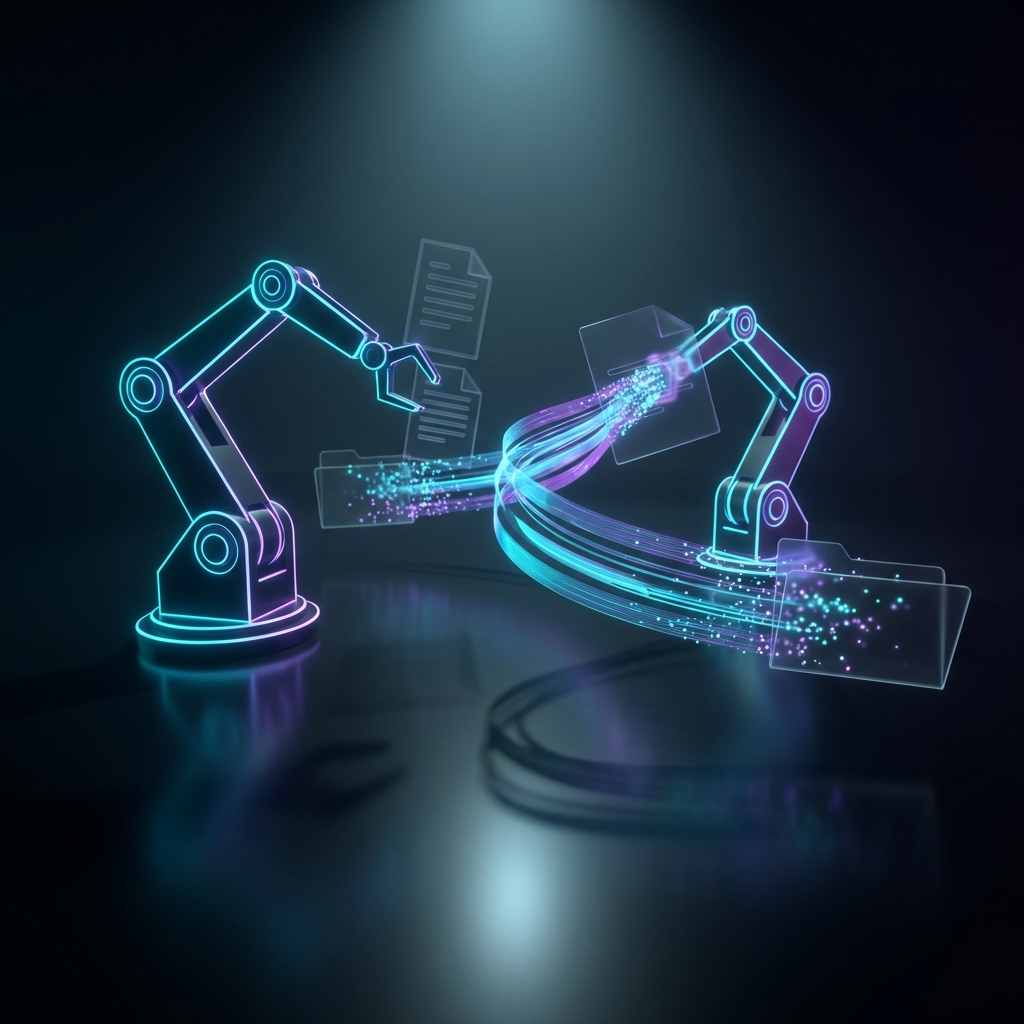
The foundation of business transformation with AI lies in optimizing operations to achieve maximum efficiency. Traditional legacy systems are often bogged down by repetitive, rule-based tasks that consume valuable human capital. By implementing Robotic Process Automation (RPA), businesses can successfully offload these mundane processes to software bots.
RPA ensures high accuracy and 24/7 productivity for tasks such as data entry, invoice processing, and compliance reporting. This liberation of human talent allows your workforce to focus on the art of creative problem-solving and high-level strategic initiatives, driving the company forward while algorithms handle the grunt work.
2. The Rise of the Digital Workforce
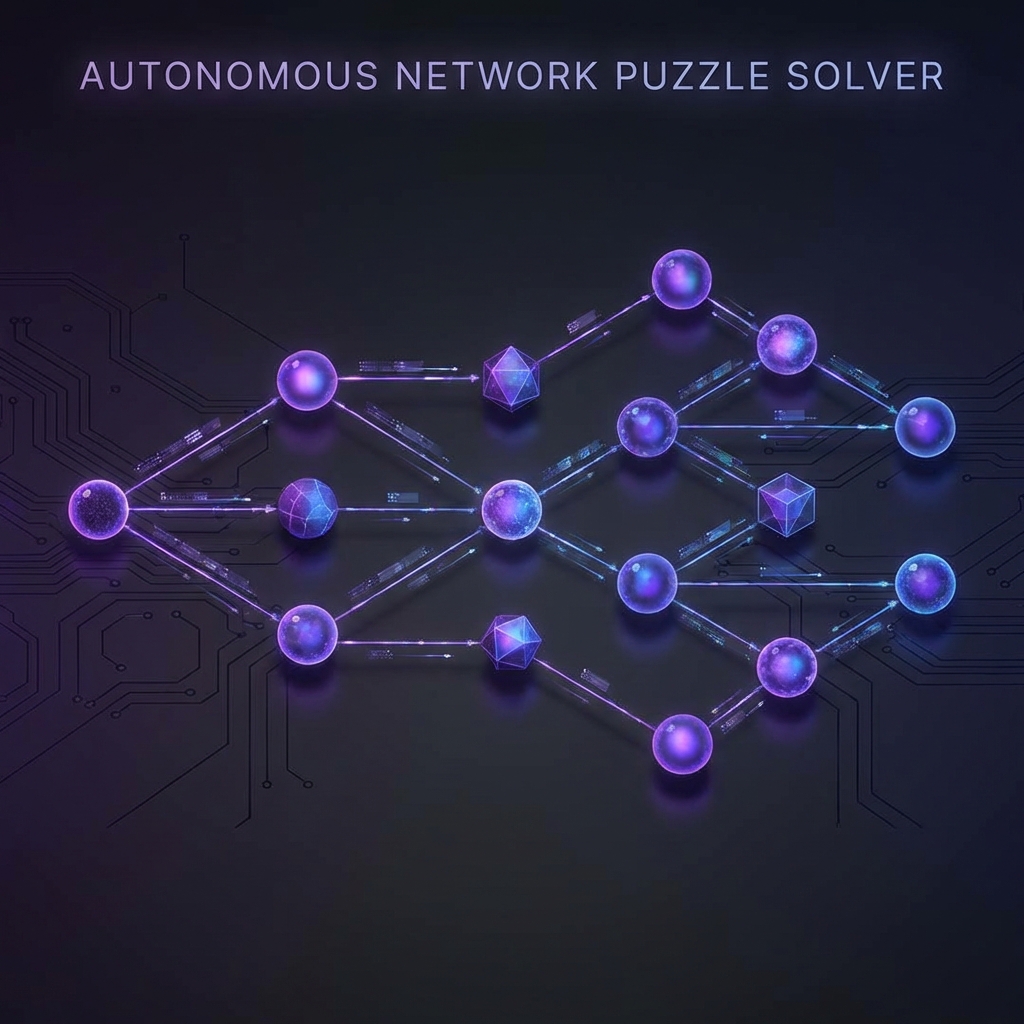
While RPA handles structured tasks, the next evolution in transformation involves cognitive capabilities. We are witnessing the emergence of AI Agents —sophisticated programs capable of perceiving, reasoning, and acting within digital environments. Unlike static scripts, these digital workers can adapt to changing inputs and handle complex workflows autonomously.
For example, an AI agent in supply chain management can predict inventory shortages based on weather patterns and automatically initiate reordering protocols without human intervention. This shift transforms the nature of work, blending human oversight with machine precision. Mastering the art of orchestrating these agents is critical for a successful business transformation with AI .
3. Hyper-Personalized Customer Experiences
Modern consumers expect instant gratification and personalized service. Integrating Conversational AI transforms customer support from a cost center into a value driver. Advanced chatbots and virtual assistants can handle thousands of inquiries simultaneously, analyzing sentiment and intent to provide accurate resolutions instantly. This level of responsiveness is a defining characteristic of effective business transformation with AI , allowing brands to scale empathy alongside efficiency.
Overcoming the Integration Challenge

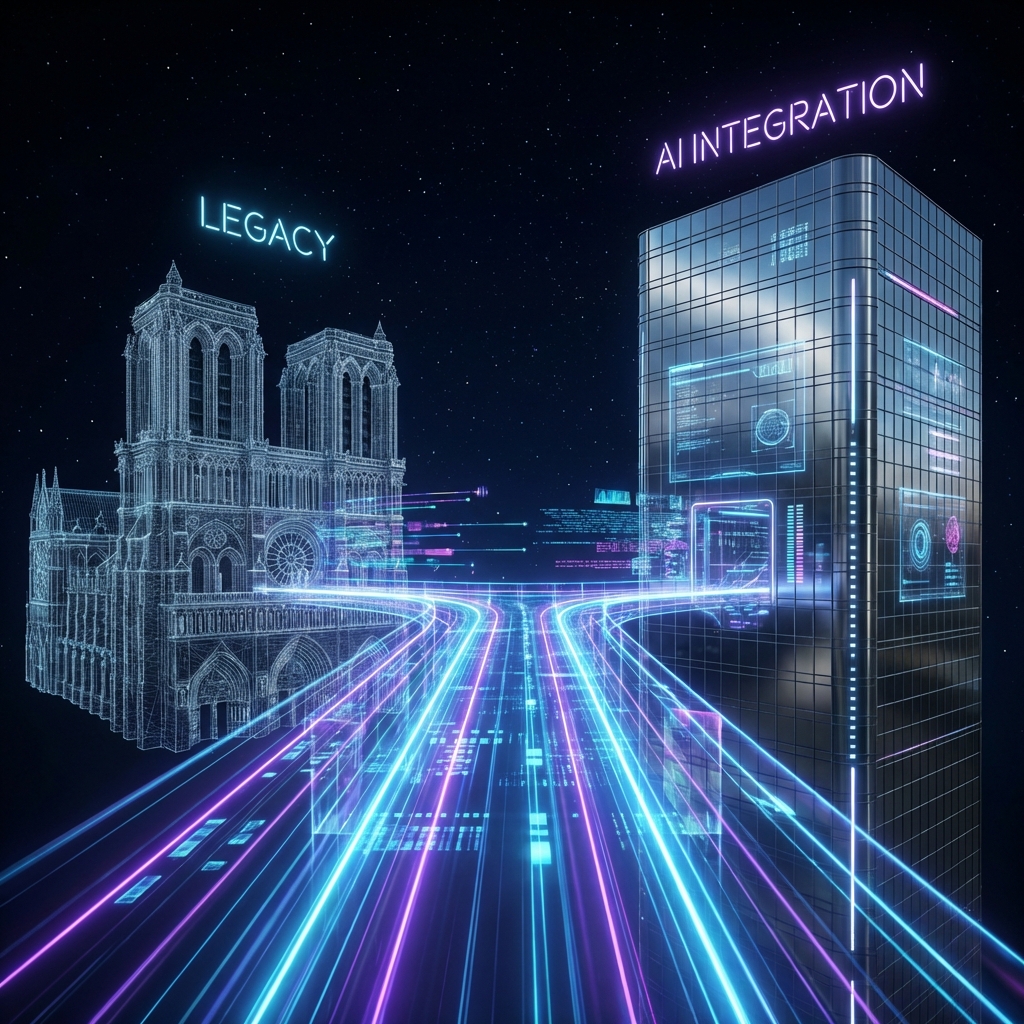
One of the significant hurdles in business transformation is the "silo effect." Data trapped in disparate systems renders AI ineffective. To build a truly intelligent enterprise, organizations must prioritize robust AI Integration . This involves connecting CRM systems, ERPs, and third-party data sources into a unified architecture.
There is a distinct art to weaving these systems together. When your systems talk to each other, you unlock the ability to utilize Workflow Automation across the entire value chain. A lead captured by marketing can automatically trigger a customized nurturing sequence, notify the sales team, and prepare a preliminary contract—all orchestrated by AI. Without tight integration, the true potential of business transformation with AI remains out of reach.
Strategic Implementation: A Step-by-Step Approach
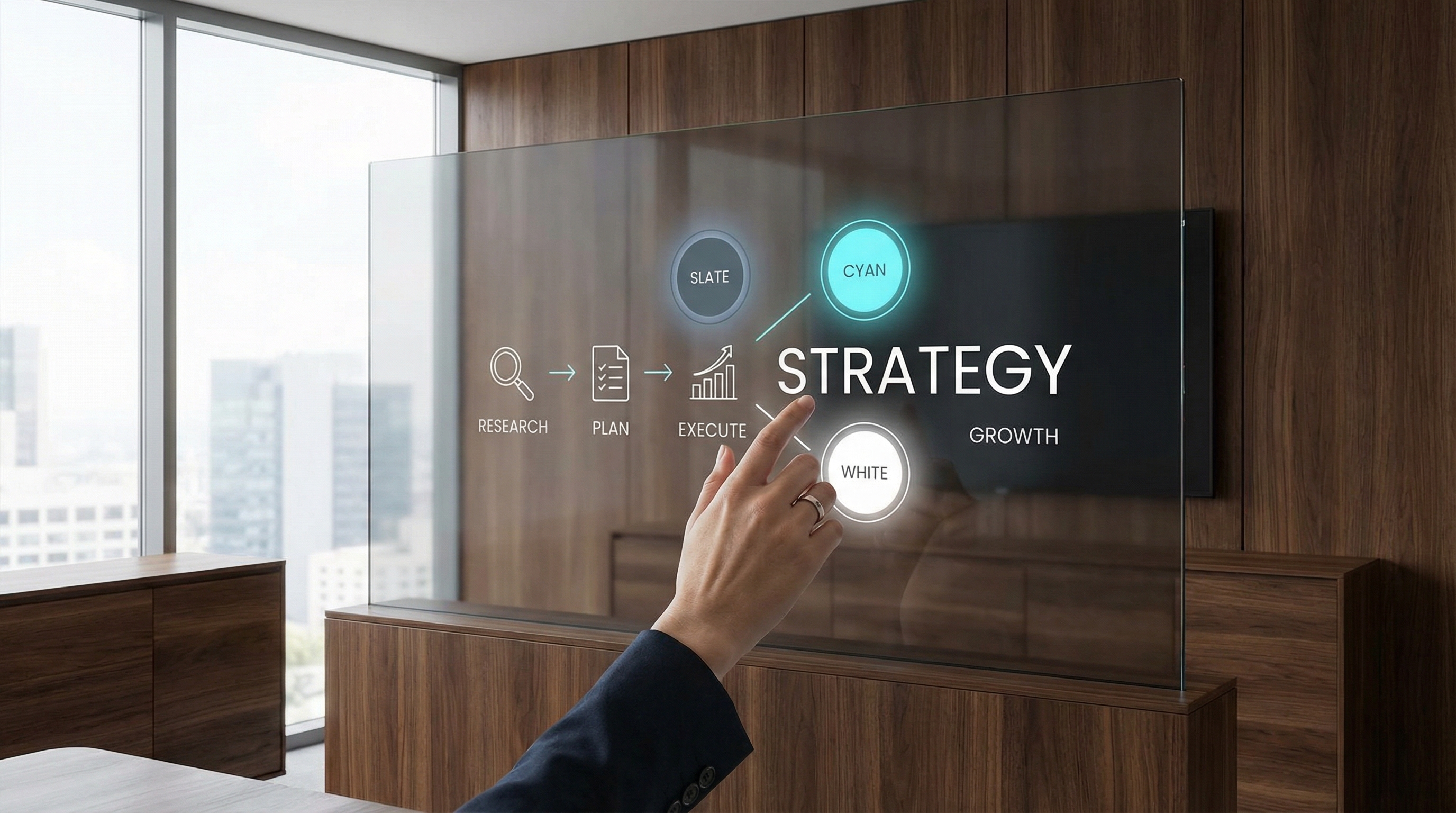
Implementing AI business transformation is a journey, not a sprint. To minimize risk and maximize impact, consider the following phases of this strategic art :
- Assessment: Audit your current data infrastructure and identify high-friction processes suitable for automation. The art lies in selecting processes that offer high impact with manageable risk.
- Strategy: Define clear KPIs. Are you looking to reduce operational costs, or are you focused on Lead Generation and revenue growth? A clear vision drives effective business transformation with AI .
- Pilot: Start with a specific use case to prove value. This iterative approach allows you to refine the art of implementation before a full rollout.
- Scale: Roll out successful initiatives across the enterprise, ensuring that business transformation with AI touches every department, creating a unified digital culture.
The Future is Autonomous

Business transformation with AI is the defining characteristic of modern market leaders. Those who hesitate risk obsolescence, while those who embrace the synergy of human creativity and machine intelligence will define the future economy.
Mastering the art of this transformation requires vision, technical expertise, and the right partners. It is about painting a new future for your organization where technology amplifies human potential. If you are ready to modernize your operations and build a resilient, AI-first organization, we are here to help you navigate every step of the journey.
Contact us today to discuss your transformation strategy.
Author Block