html

In the hyper-competitive business landscape of 2026, efficiency isn't just a goal; it's the baseline for survival. To thrive, companies are turning to a foundational technology that acts as the central nervous system for the modern enterprise: the AI Automation Builder, a type of advanced no-code platform . These are not mere tools but sophisticated platforms that allow businesses to design, build ai , and deploy complex, end-to-end workflows, creating a fully automated workflow powered by artificial intelligence, often with little to no code. The stakes couldn't be higher. The market for this technology, known as Intelligent Process Automation (IPA), is on a meteoric rise, projected to exceed $65 billion this year alone ( Source ). This explosive growth underscores its critical importance. This guide will explore what these builders are, how they leverage the power of ai to transform industries, the key features to look for, and the tangible ROI they deliver in 2026.
What is an AI Automation Builder? Your Guide to One Platform for AI-Native Workflow Automation
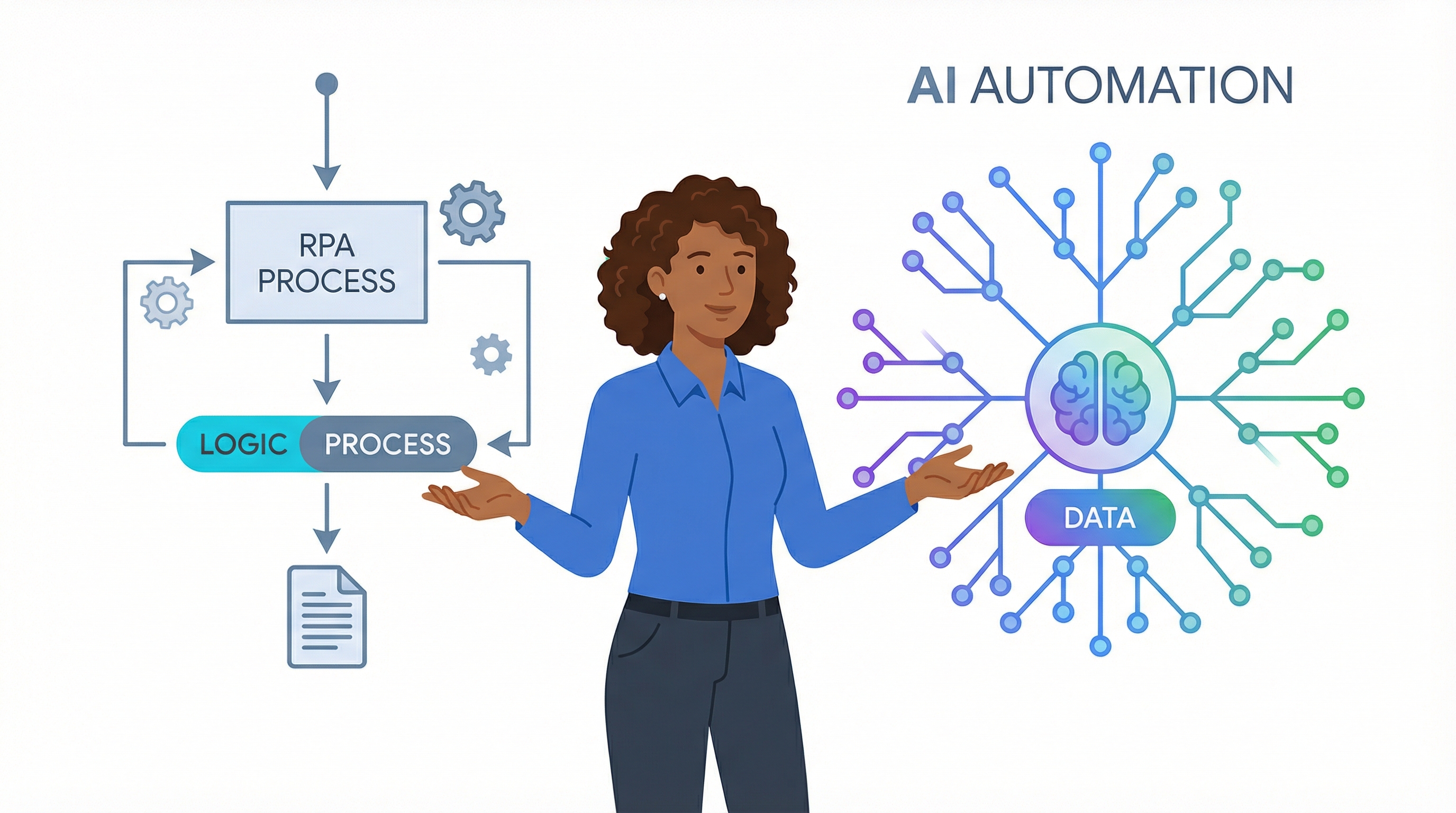
To understand the power of an AI Automation Builder in 2026, we must move beyond the outdated definitions of simple task automation. A few years ago, automation often meant basic Robotic Process Automation (RPA), where bots mimicked human clicks and keystrokes. Today, these platforms are a comprehensive ai workflow automation platform , with each workflow builder designed for intelligent process orchestration .
They don’t just perform repetitive tasks; they manage entire business processes by handling cognitive functions, making data-driven decisions, and connecting disparate systems via their apis into a unified, intelligent whole. This represents a fundamental evolution in what it means to automate ai and business processes.
The Evolution of Workflow Automation: From Tasks to AI Agent Building
The leap from 2024 to 2026 has been defined by the shift from simple, rule-based bots to sophisticated AI-driven "agents." This is the era of the dedicated ai agent builder . These modern AI agents , which are now fully capable multi-step ai agents , can manage dynamic workflows that span entire departments. For example, a single ai agent can now handle everything from a new lead captured on a marketing form to its entry into the sales CRM, and all the way through to the finance department automatically generating an invoice upon a deal's close. This is a far cry from the siloed, brittle automations of the past, like those offered by traditional Robotic Process Automation , where a simple process couldn't adapt like a modern ai agent.
The Role of Generative AI: The Core of a Modern Automation Builder
What fuels this powerful ai ? The deep integration of Large Language Models (LLMs) from providers like openai and other generative AI technologies. This is the game-changer. By using ai , these advanced models allow automation builders to understand and process unstructured data—like the sentiment in customer emails, the key points in a meeting transcript, or the data buried in a PDF report. Using capabilities similar to those pioneered by platforms like relevance ai , they can then generate human-like communications, summarize complex information, and make nuanced decisions, a capability that was only just emerging a few years ago.
The rise of these accessible systems means that an ai-powered future is not just for large corporations. With an ai-powered builder, even small teams can deploy sophisticated logic to handle complex tasks, from intelligent document processing to dynamic customer interaction. This level of ai-powered capability democratizes operational excellence and creates a more level playing field across industries.
The No-Code AI Automation Builder: Empowering Every Team Member
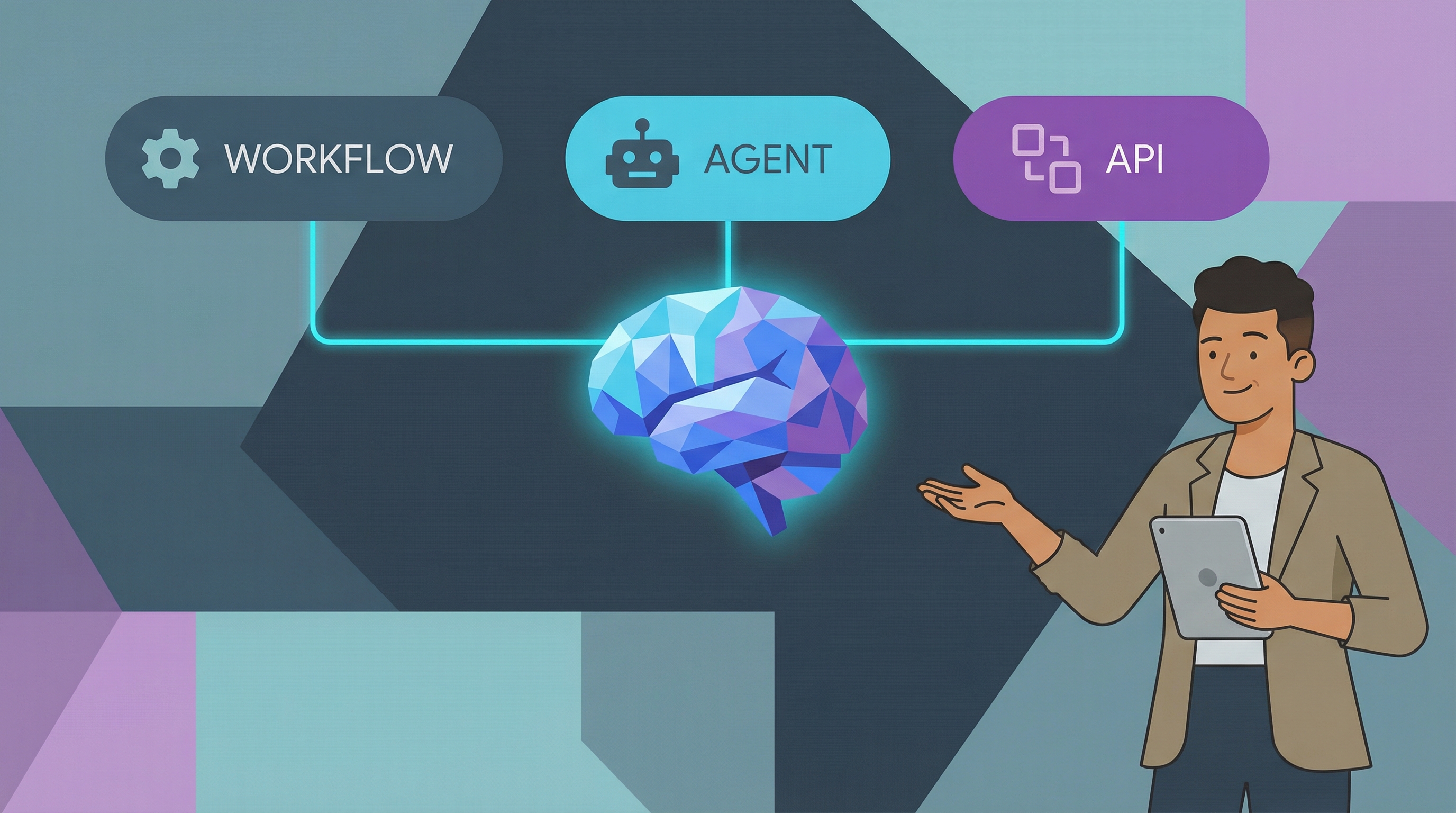
One of the most profound transformations driven by AI Automation Builders is the democratization of development. The power to create sophisticated automations is no longer confined to IT departments or specialized developers. We are now firmly in the era of the citizen developer .
A citizen developer is a non-technical employee—a marketing manager, an HR specialist, or a financial analyst—who can now build custom automations to solve their own department's challenges without writing a single line of python code. This is a revolutionary shift that dramatically increases business agility and innovation from the ground up.
Why 75% of Enterprises Now Use No-Code AI Workflow Automation Tools
This isn't a niche trend; it's a mainstream movement. Projections based on Gartner analysis show that by 2026, over three-quarters of large enterprises are actively using low-code or no-code AI platforms ( Source ). The impact is immense. This democratized approach shatters traditional IT bottlenecks, accelerates the pace of innovation, and empowers the domain experts—the people who know the business processes best—to build ai solutions they need directly and collaborate on improvements.
Bridging the Gap: Build & Deploy AI with Your Own Agent Workflows
This trend allows teams to build ai agents for highly specific and relevant automations that an overburdened central IT department might never have the bandwidth to address. For instance, an HR team can independently build a comprehensive onboarding ai app . This `ai agent` could automatically send welcome emails, provision access to necessary software, schedule introductory meetings, and assign training modules, all triggered by a new hire's entry into the HR system.
A CIO Priority: Deploying AI From One Platform Enterprise-Wide
The conversation around ai and automation in the enterprise has officially matured. The era of isolated, experimental AI projects is over. In 2026, the strategic focus for Chief Information Officers (CIOs) is on practical, scalable implementation that directly drives core business operations and delivers measurable results.
The goal is no longer just to *have* AI but to operationalize it everywhere , making professional ai agent development a core business capability. This means weaving intelligent automation into the very fabric of daily business processes, making them faster, smarter, and more resilient.
Why Leaders Choose One Platform for Agents and Workflows
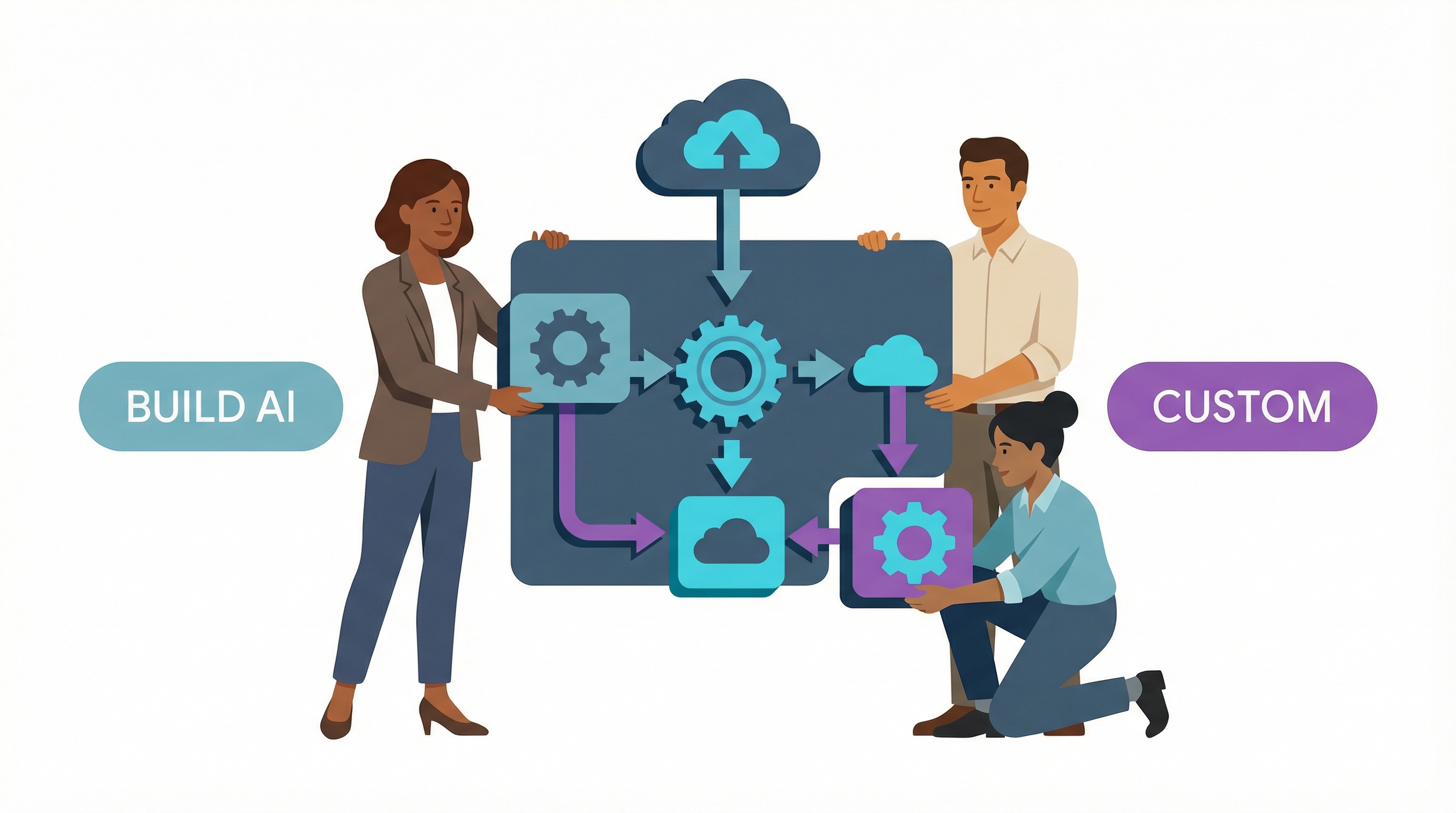
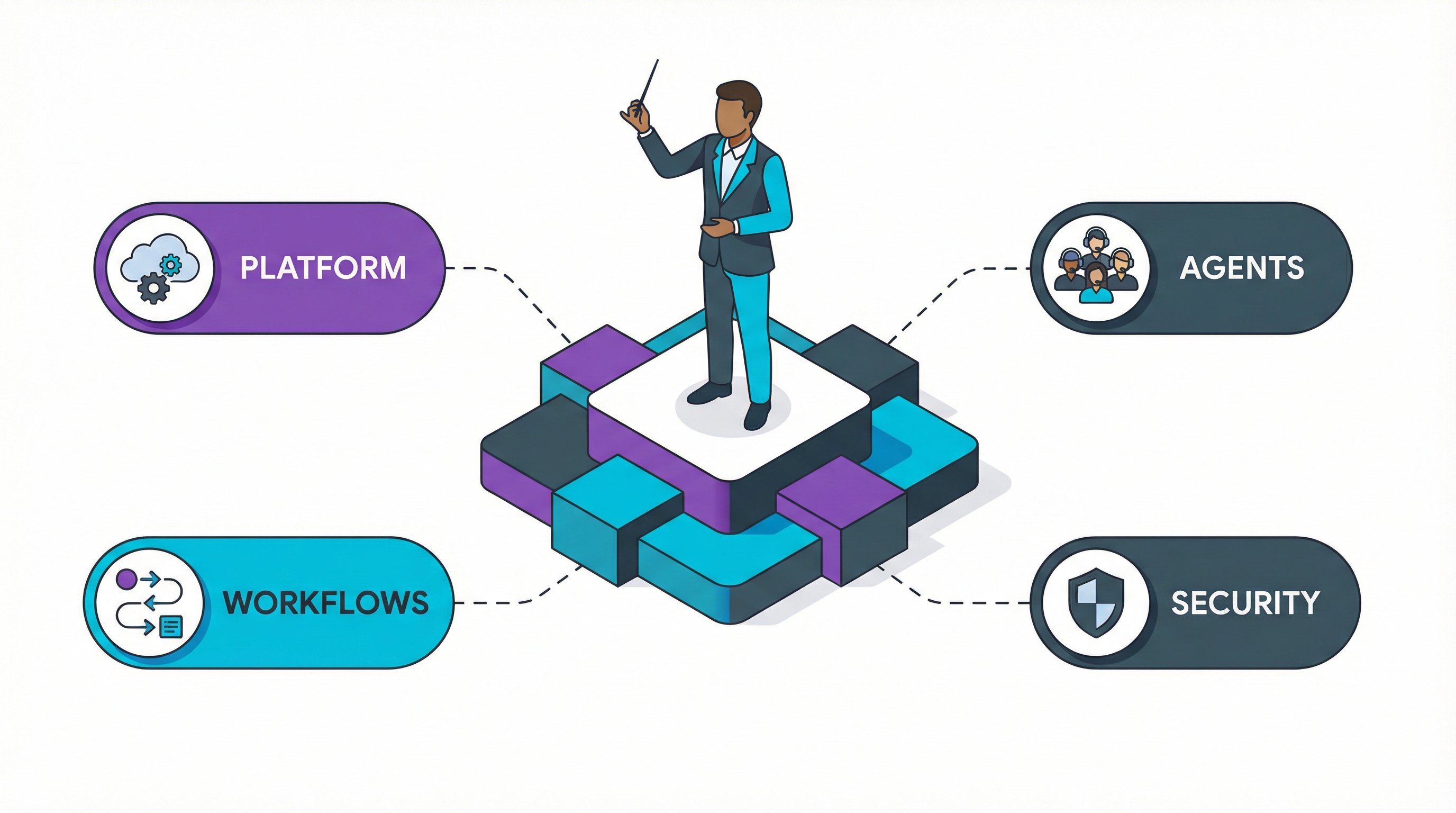
This strategic shift is confirmed by leading industry analysis. Forrester identified that the number one priority for CIOs has become "embedding AI into business workflows" ( Reference ). In practice, this means companies are decisively choosing an integrated AI automation builder, a unified no-code platform , over a patchwork of standalone AI workflow tools . A unified platform provides a single source of truth for creating, managing, monitoring, and scaling a complete portfolio of business automations and a workflow automation strategy across the entire organization.
Practical AI Agent Use Cases: How to Automate Key Workflows
Here’s what this looks like on the ground when powerful ai agents are deployed:
- Customer Service: An advanced ai agent triages incoming support tickets by analyzing the customer's intent from emails or chatbot transcripts. It can automatically resolve common issues with a personalized, generated response or route complex problems to the right human agent with a full summary of the issue and customer history, letting ai agents complete the initial triage.
- Marketing: A workflow continuously analyzes social media sentiment about the brand, automatically drafts campaign content and social media posts tailored to trending topics, and then schedules those posts based on real-time engagement data to maximize reach and impact.
The ROI of Powerful AI Agents: Calculating the Impact on Your Business
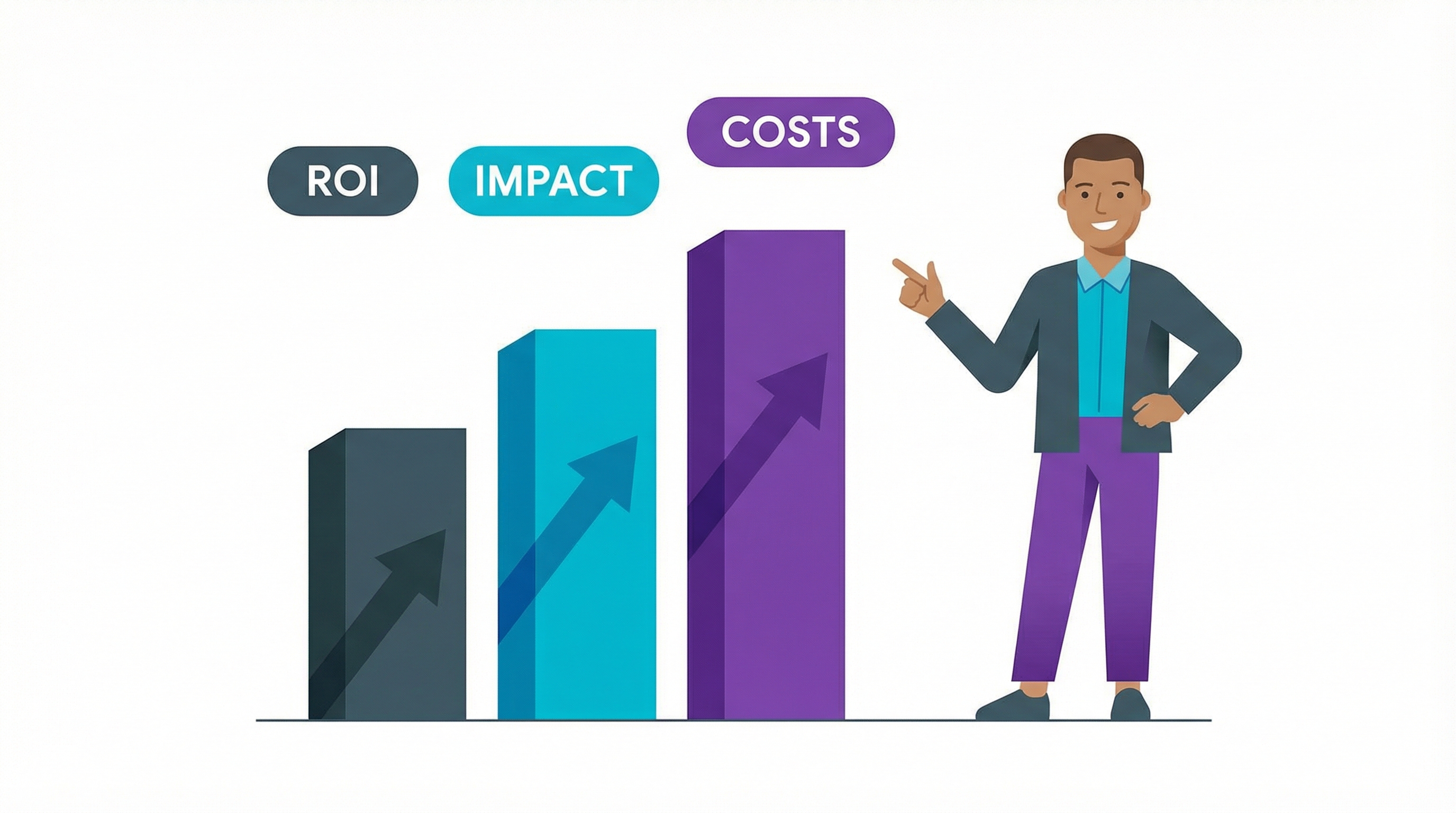
Adopting an AI automation builder is not just a technological upgrade; it's a strategic business investment with a clear and compelling return. The discussion has moved beyond abstract concepts of "efficiency" to focus on the tangible, measurable benefits that impact the bottom line. These platforms deliver significant financial and operational gains that save time and are impossible for competitors to ignore.
This is why a solid plan, often developed through AI Strategy Consulting , is essential for maximizing this return.
Slashing Costs by 30%: The Financial Case to Automate Workflows
The numbers speak for themselves. According to extensive analysis by McKinsey, AI automation is directly linked to a projected 30% reduction in operational costs in key business functions ( Study ). These massive savings come from several key areas:
- Reduced manual work: Automating high-volume, repetitive tasks in areas like data entry, report generation, and customer support.
- Minimized Human Error: Eliminating costly mistakes in processes like invoicing, order processing, and compliance checks.
- Optimized Resource Allocation: Ensuring that your most valuable resources—your people—are focused on high-impact work.
To truly realize these benefits, organizations must strategically identify which processes to automate first for maximum impact. A modern builder helps you automate not just simple tasks but entire value chains, connecting disparate departments into a seamless operational flow. The goal is to automate functions in a way that creates a compounding effect, where each automated process enhances the efficiency of the next.
Beyond Savings: How AI Automation Tools Boost Productivity & Morale
The ROI extends far beyond the balance sheet. Automated systems operate 24/7 with near-perfect accuracy , dramatically increasing organizational output and reliability. Furthermore, by offloading repetitive and mundane tasks, you free up skilled employees to focus on strategic thinking, creative problem-solving, and customer relationship building. This not only boosts productivity but also leads to higher job satisfaction and employee retention.
Features in a Top AI Workflow Builder for 2026
When evaluating AI automation platforms in 2026, it’s crucial to look for a specific set of modern features in a top ai tool. The right builder is a combination of user-friendliness, powerful connectivity, and native intelligence. Here is a practical checklist of what to look for:
A True No-Code Interface for Visual Workflow Building
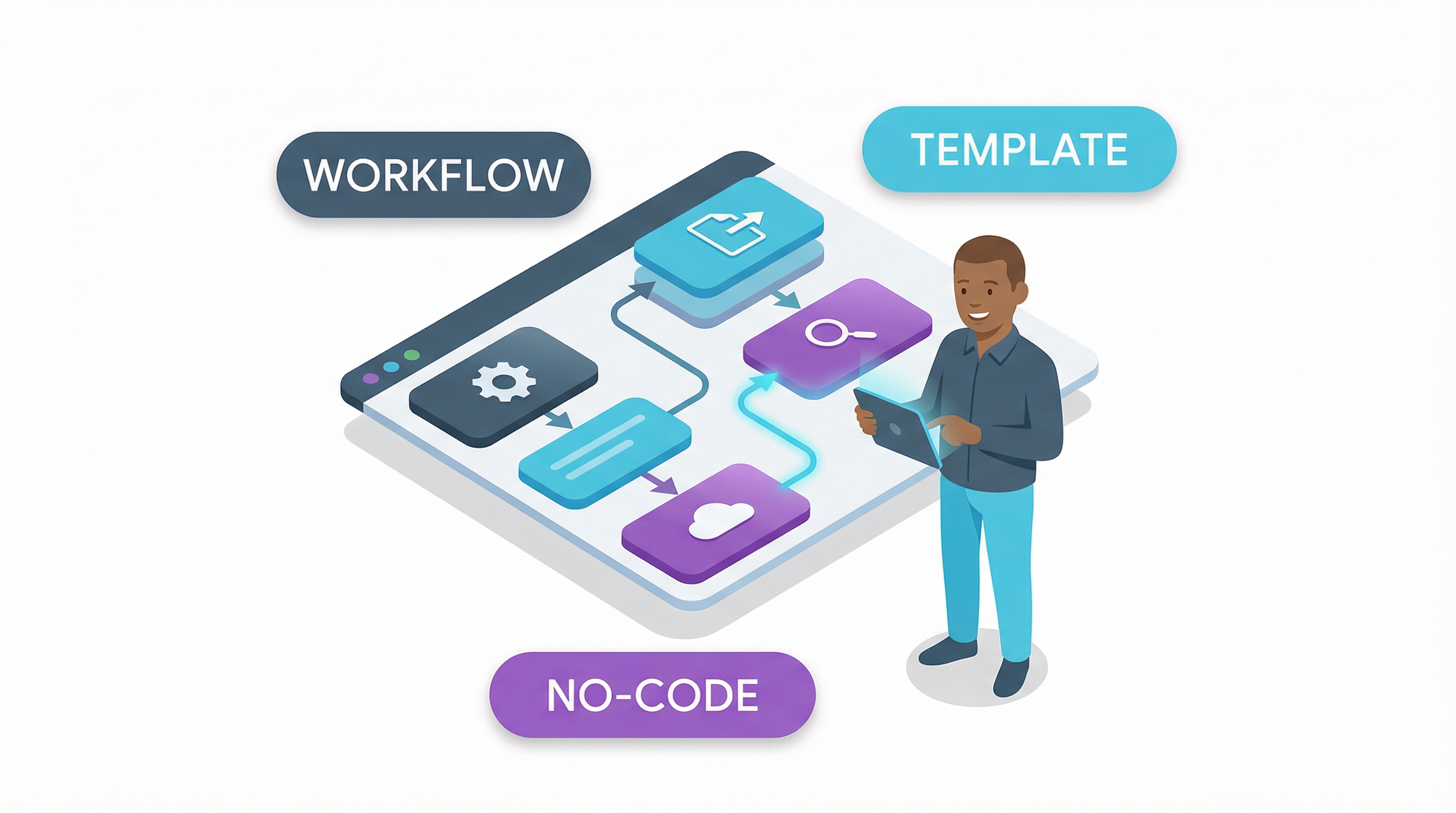
The platform must have a true no-code or low-code environment. This is non-negotiable for empowering the "citizen developers" mentioned earlier. The user interface should be a visual, drag-and-drop canvas where users can map out business logic by connecting modules to build complex workflows without writing code like python .
A key feature of these interfaces is the ability to leverage a pre-built template . Instead of starting from scratch, a user can select a template for a common use case, like lead nurturing or invoice processing, and customize it to their specific needs. This approach dramatically accelerates development time, as the ideal workflow template provides a proven foundation to build upon.
Seamless Integrations: The Core of a Powerful Automation Tool
An automation builder is only as valuable as the systems it can connect to. A top-tier platform must offer a vast library of pre-built connectors for major SaaS applications and tools like Salesforce, HubSpot, Workday, and Slack. Crucially, it must also provide a powerful REST api for custom AI integration , ensuring you can connect it to any homegrown or legacy system, all while maintaining soc 2 compliance.
Platforms like n8n have set a new standard for connectivity and extensibility. The open-source nature of n8n means that its community is constantly building new integrations, ensuring that the platform can connect to nearly any service with an API. This makes a tool like n8n incredibly versatile for creating complex, multi-system automations. By utilizing the power of n8n , businesses can ensure their automation stack remains future-proof and adaptable to new technologies.
Native AI Models: The Brains Behind Your AI Agent
The most powerful platforms have key AI technologies built directly into their core, not bolted on as an afterthought. Look for these native capabilities:
- Natural Language Processing (NLP): Essential for understanding and processing human language from emails, documents, and chat.
- Computer Vision: For extracting data from images, scans, and documents, a cornerstone of invoice and receipt processing automation.
- Predictive Analytics: The ability to make data-driven forecasts and decisions within a workflow, such as predicting customer churn risk.
- Generative AI: For creating content, summarizing text, and powering dynamic, human-like conversations using models from openai .
AI Automation Builder: Frequently Asked Questions (FAQ)
How is an AI automation builder different from traditional RPA?
Answer: Traditional Robotic Process Automation (RPA) is designed to mimic simple, rule-based human tasks on a computer screen, like copying and pasting data. A 2026-era AI Automation Builder orchestrates entire end-to-end business processes. It uses AI to handle unstructured data, make complex decisions, and adapt to changing conditions, making it far more powerful and flexible than legacy RPA.
What skills are needed to use an AI automation builder?
Answer: Thanks to intuitive no-code interfaces, the primary skills required are a deep understanding of business logic and process flow. A user needs to know *what* they want to automate and the steps involved, but not necessarily *how* to write the code for it. Basic analytical skills to measure the automation's success are also highly beneficial.
Can small businesses benefit from an AI automation builder?
Answer: Absolutely. In 2026, many leading ai workflow automation tools are highly scalable and offer flexible pricing models suitable for SMBs. For smaller teams, automation is a force multiplier, allowing them to compete with much larger enterprises by maximizing their operational efficiency, improving customer service, and allocating their limited resources to growth-focused activities.
Your Next Step in AI Workflow Automation
In 2026, AI automation builders are no longer an optional luxury but a foundational technology for any competitive business. They represent a strategic shift toward intelligent, embedded workflows that drive unprecedented levels of efficiency and agility. By democratizing development, delivering massive ROI through cost savings and productivity gains, and empowering teams to solve their own problems, these platforms are unlocking the next wave of business innovation. The time is now to begin evaluating how the best ai automation builder can transform your business processes. To see how this technology can be tailored to your organization, get started today.