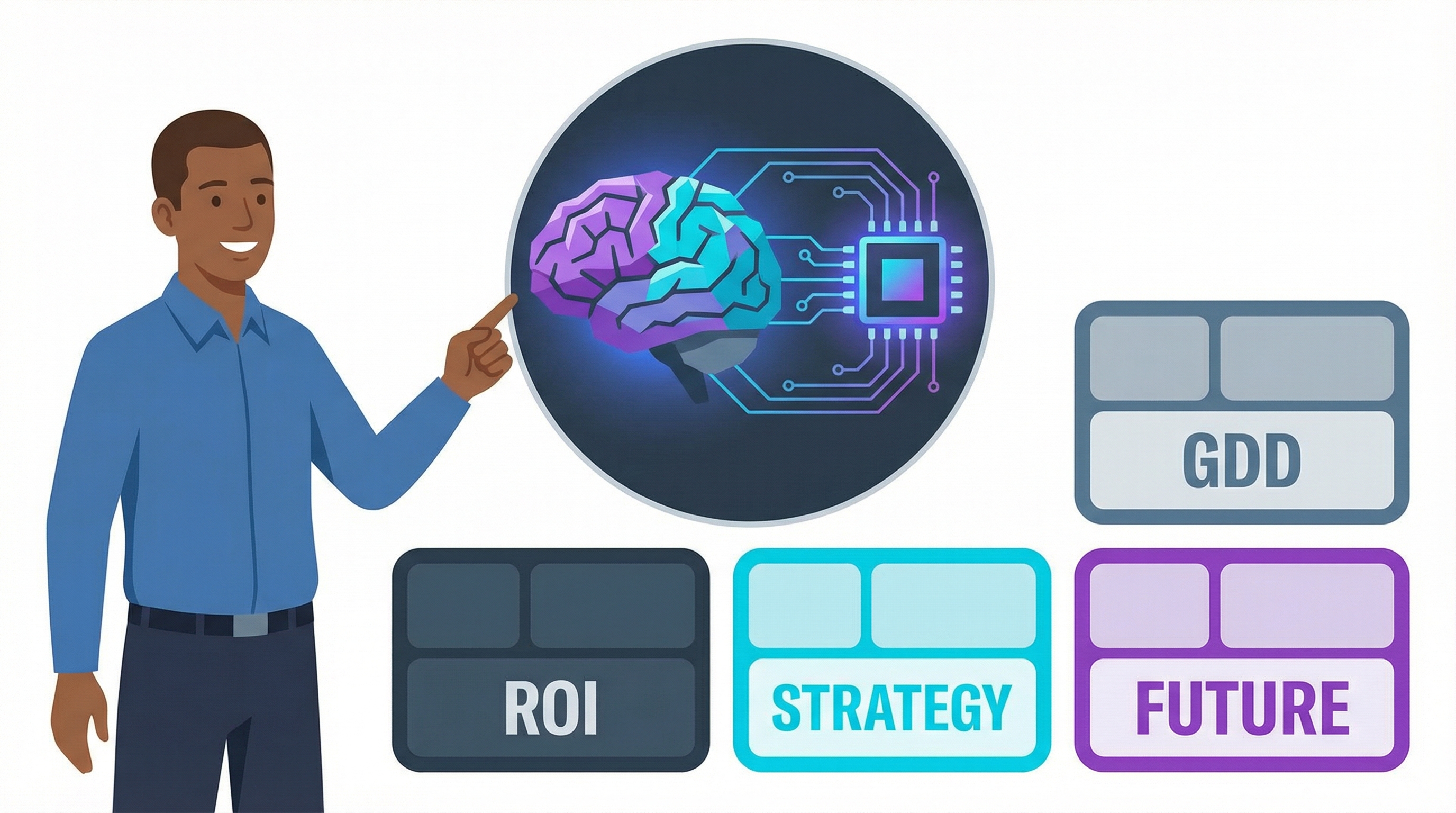
Welcome to 2026, where the hum of the modern workplace is no longer driven by frantic keystrokes but by the silent, efficient execution of intelligent systems. The business landscape of today is a stark contrast to the early 2020s, where AI was a buzzword whispered in boardrooms. Today, it is no longer a futuristic concept but a fundamental, integrated layer of every successful business automation operation, powered by advanced artificial intelligence .
AI automation tools in 2026 are not mere task-doers. Every sophisticated AI tool today embodies advanced AI capabilities , and businesses increasingly use AI to orchestrate their operations. They also use AI for predictive analytics across various departments. This highlights the immense power of AI in orchestrating operations. They are autonomous agents , cognitive copilots, and end-to-end process orchestrators that form the central nervous system of the enterprise. They manage workflows, anticipate needs, and drive growth with unprecedented efficiency.
This guide will provide a comprehensive overview of the best AI workflow automation tools of 2026. We will explore their real-world applications, dissect their measurable ROI, and lay out the strategic roadmap for successful implementation in any organization, from a bootstrapped startup to a global enterprise. This is your definitive deep dive into the autonomous future.
What is AI Automation in 2026? A New Era for AI and Automation
To grasp the power of automation in 2026, we must first understand its radical evolution. The conversation has shifted dramatically from basic task completion to holistic process intelligence, truly demonstrating the synergy of AI and automation . We are now operating within a sophisticated AI ecosystem , where interconnected systems learn, adapt, and collaborate to achieve business objectives with minimal human friction. This is the era of hyperautomation, a state where anything that can be automated, is automated intelligently.
From RPA to AI Agents: The Evolution of Workflow Automation Tools
The journey here began with technologies like Robotic Process Automation (RPA), which dominated the early 2020s. RPA was a game-changer, but it was fundamentally limited; it was a digital "macro" that followed strict, pre-programmed rules to mimic human actions on structured data. It was powerful but brittle.
By 2026, we have moved far beyond this. The new standard is agentic AI , embodied by autonomous agents. These are not just rule-followers; they are cognitive, self-learning entities. These sophisticated AI Agents can:
- Process Unstructured Data: They effortlessly parse and understand the context of emails, legal contracts, video call transcripts, and complex market reports.
- Make Cognitive Decisions: Using advanced AI models , powered by machine learning , including sophisticated large language models and nascent generative AI capabilities, they can make context-aware decisions that were once the exclusive domain of human experts.
- Self-Optimize Workflows: They continuously analyze performance data to refine their own processes, improving efficiency and accuracy over time without needing human intervention.
Key Categories of Modern AI Automation Tools and Platforms
The 2026 AI automation market isn't a single product category but a spectrum of powerful, often interconnected, platforms. These platforms are the new generation of workflow tools .
- Cognitive Process Automation (CPA): This is the next frontier of process management. CPA tools automate complex, judgment-based tasks that require reasoning and inference. Examples include automated insurance claim adjudication, dynamic supply chain risk assessment, and advanced customer support resolution that understands user sentiment and history.
- Intelligent Document Processing (IDP): Far beyond simple Optical Character Recognition (OCR), modern IDP platforms use a combination of computer vision and natural language processing (NLP) to not just read but understand any document. They can extract specific clauses from legal documents, validate information across multiple forms, and classify incoming correspondence with near-perfect accuracy.
- AI-Powered Decision Management: These platforms are the brains of the operation. Businesses can model complex decision trees, test them against historical data using simulations, and deploy them as automated services. This is critical in industries like finance for real-time fraud detection and in e-commerce for dynamic pricing and personalization.
- Autonomous Copilots and Assistants: Now a standard feature of the digital workspace, these AI partners are integrated into every knowledge worker's daily applications. They assist with everything from research and analysis to communication and content creation, forming an augmented workforce.
Unlocking Efficiency with AI Automation Workflows
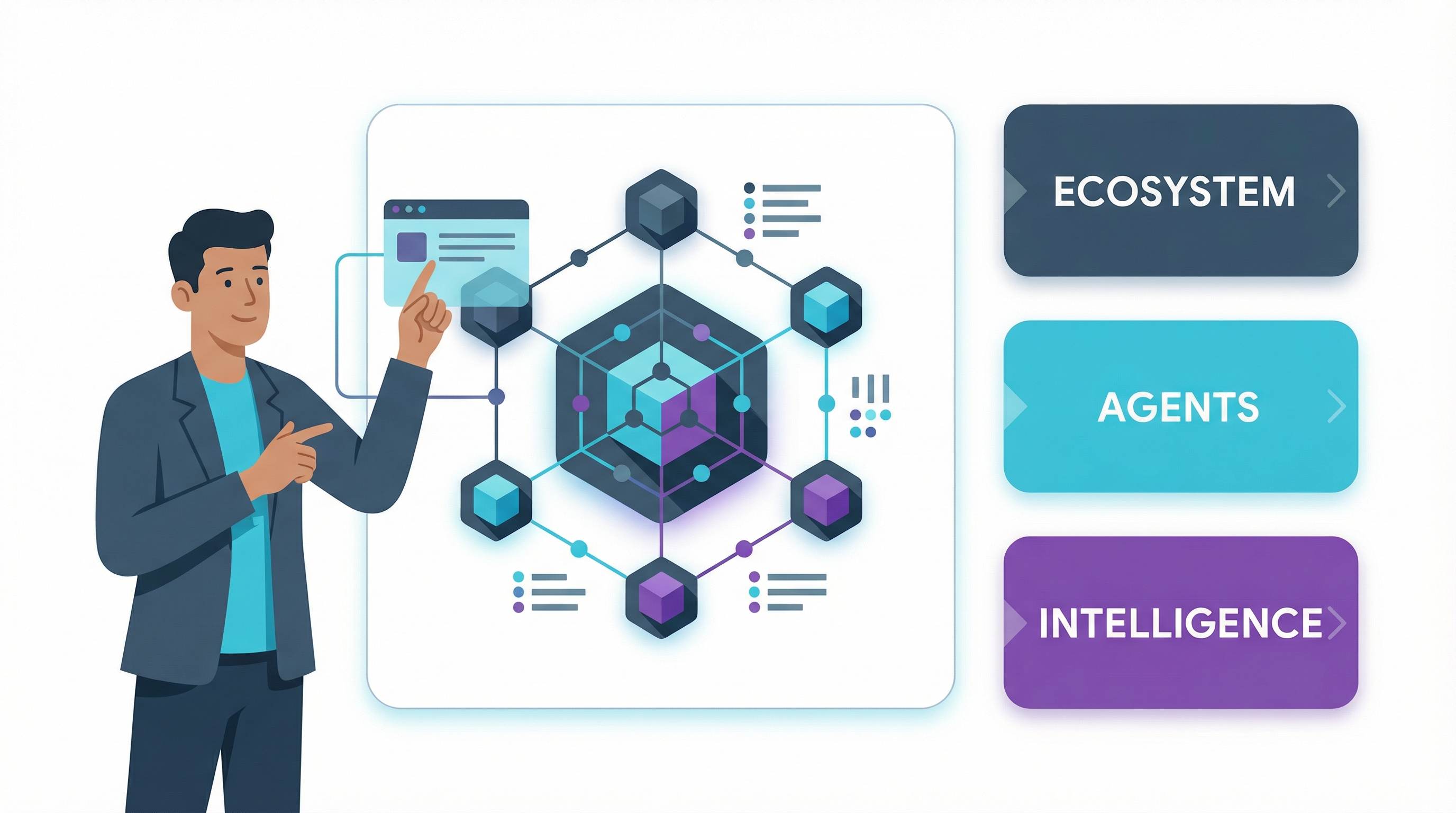
The right AI automation workflow can revolutionize how your team operates.
Measuring the ROI of AI Automation: Productivity and Cost Savings in 2026
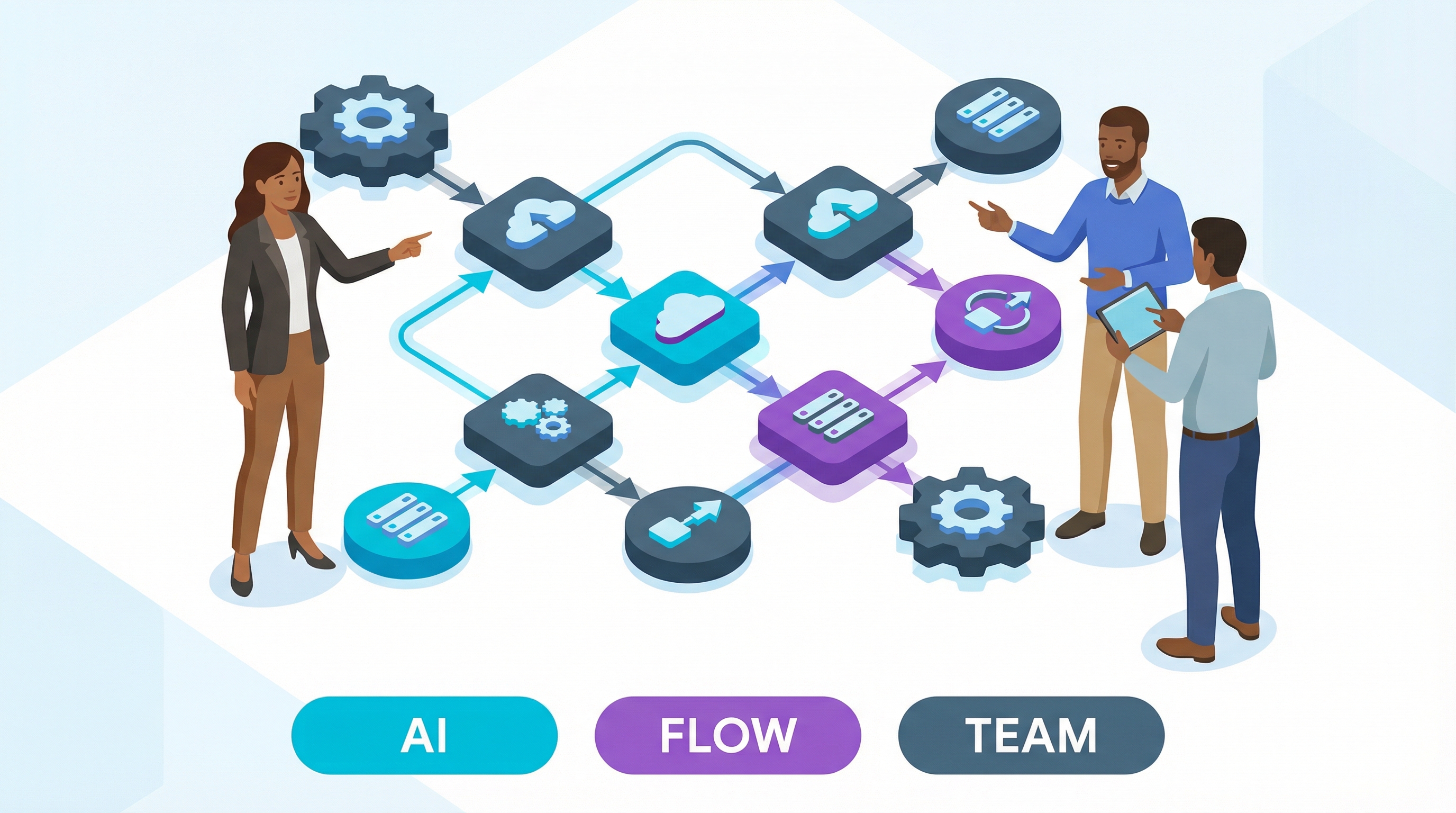
In 2026, the discussion around AI automation has moved past novelty and squarely into the realm of measurable ROI. The implementation of intelligent systems is no longer a technology expense but a strategic investment with predictable, and often staggering, financial returns. Organizations that master this are not just more efficient; they are building a sustainable competitive advantage based on superior operational agility and lower costs, helping them save time and resources.
Real Time Automation and Insights
The Automation Dividend: How AI Workflow Automation Boosts Productivity
The impact of this transformation is no longer anecdotal. A landmark 2025 study by the McKinsey Global Institute provides clear, quantifiable evidence of what they term the "automation dividend." The research is a cornerstone for any modern business case for AI. ( Source )
The study's headline finding is profound: organizations with mature AI automation deployments report an average of a 25% reduction in operational costs within the automated departments. This figure alone justifies the investment, but the real story lies in the details. The study highlights a clear gap between average performers and the leaders who are truly maximizing their productivity gains .
So, what separates the top performers achieving up to 40% savings ? The analysis reveals several key factors:
- Comprehensive Integration: Leaders don't deploy AI in silos. They focus on end-to-end process orchestration, ensuring a seamless flow of data and actions across departments, demonstrating how effectively they integrate AI into their core systems. A robust AI Integration strategy is non-negotiable.
- Process Re-engineering: They don't simply automate broken or inefficient legacy processes. Instead, they use AI as a catalyst to completely redesign workflows for maximum efficiency, often breaking down complex tasks into a simple workflow for better management, a core principle of modern workflow automation .
- Strong Data Governance: High-quality, accessible data is the fuel for intelligent automation. Top performers have robust data strategies, ensuring their AI agents are trained on clean, relevant, and secure information.
These principles translate into tangible, real-world results. Consider a global logistics company in 2026 using an AI-powered decision management platform. It continuously analyzes real-time traffic, weather, fuel prices, and vehicle maintenance schedules to optimize delivery routes, cutting fuel and maintenance costs by 35%. Or think of a large financial services firm that has deployed autonomous auditing agents, which continuously monitor transactions for compliance, reducing audit-related costs by 30% and virtually eliminating fines for human error.
AI Automation for the Enterprise: Optimizing Back-Office Workflows
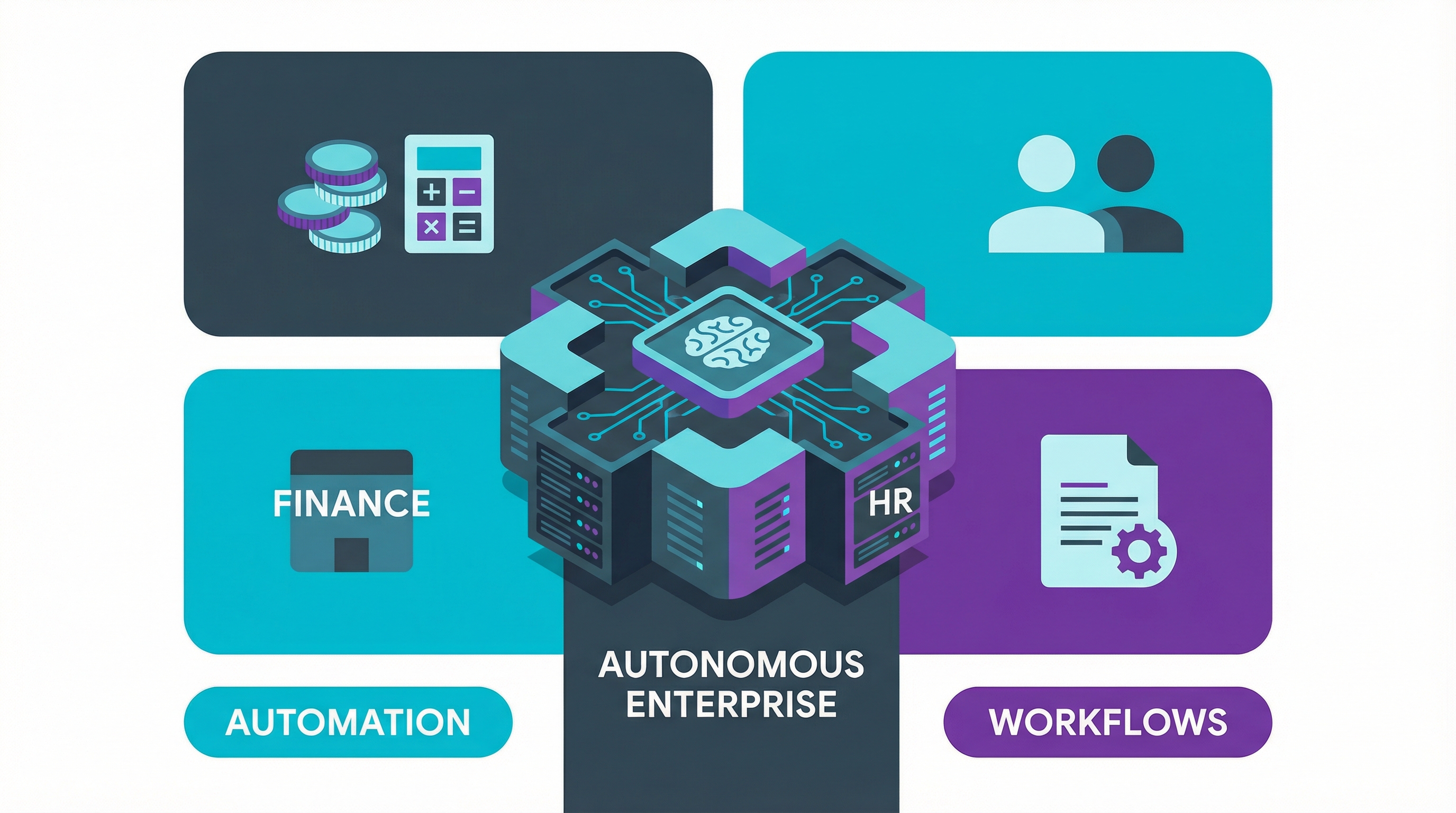
The most significant impact of AI automation in 2026 can be seen in the nerve center of the enterprise: the back office. These administrative functions—finance, HR, procurement, and IT—have been completely transformed from cost centers powered by human labor to streamlined, autonomous hubs of efficiency. The era of the autonomous enterprise is here.
The Autonomous Back Office: Running Key AI Workflows in 2026
Years ago, market analysts at Gartner made a bold prediction that is now our reality. They forecasted that by Q1 2026, 40% of all back-office administrative tasks would be fully managed by autonomous AI agents . ( Reference ) This prediction has proven to be a defining trend of the modern business landscape.
This has led to the rise of "lights-out" processes, where entire workflows run 24/7 with zero direct human involvement. Imagine the typical back-office operations of the past, now fully automated:
- Invoice Processing: An IDP system receives an invoice via email, extracts all relevant data (vendor, amount, PO number), validates it against the procurement system, and schedules the payment—all in seconds.
- Employee Onboarding: A new hire accepts an offer, and an AI agent automatically provisions their IT access, enrolls them in benefits, schedules orientation meetings, and orders their equipment.
- Expense Reporting: An employee takes a picture of a receipt. AI extracts the details, checks them against company policy, and submits the report for automated approval and reimbursement.
- Data Reconciliation: Autonomous agents work tirelessly to ensure data consistency between CRM, ERP, and financial systems, flagging and often self-correcting discrepancies instantly.
Human Oversight in AI Workflow Automation Platforms
This level of back-office automation doesn't render humans obsolete; it elevates them. It fundamentally redefines the entire business process . The model has shifted to "human-in-the-loop" or, more accurately, "exception-only" management. Human professionals are no longer mired in the repetitive drudgery of processing administrative and other repetitive tasks . Instead, their roles have become more strategic. They can now automate repetitive tasks with intelligent systems.
Instead, their roles have become more strategic. They are the architects and overseers of the autonomous system. They manage the performance of the AI agents, handle the small percentage of complex edge cases that require nuanced judgment, and work on continuously improving the system's logic and capabilities. This frees up human capital for high-value work: strategy, innovation, and complex problem-solving.
How AI Automation Tools Boost Productivity for the Augmented Workforce
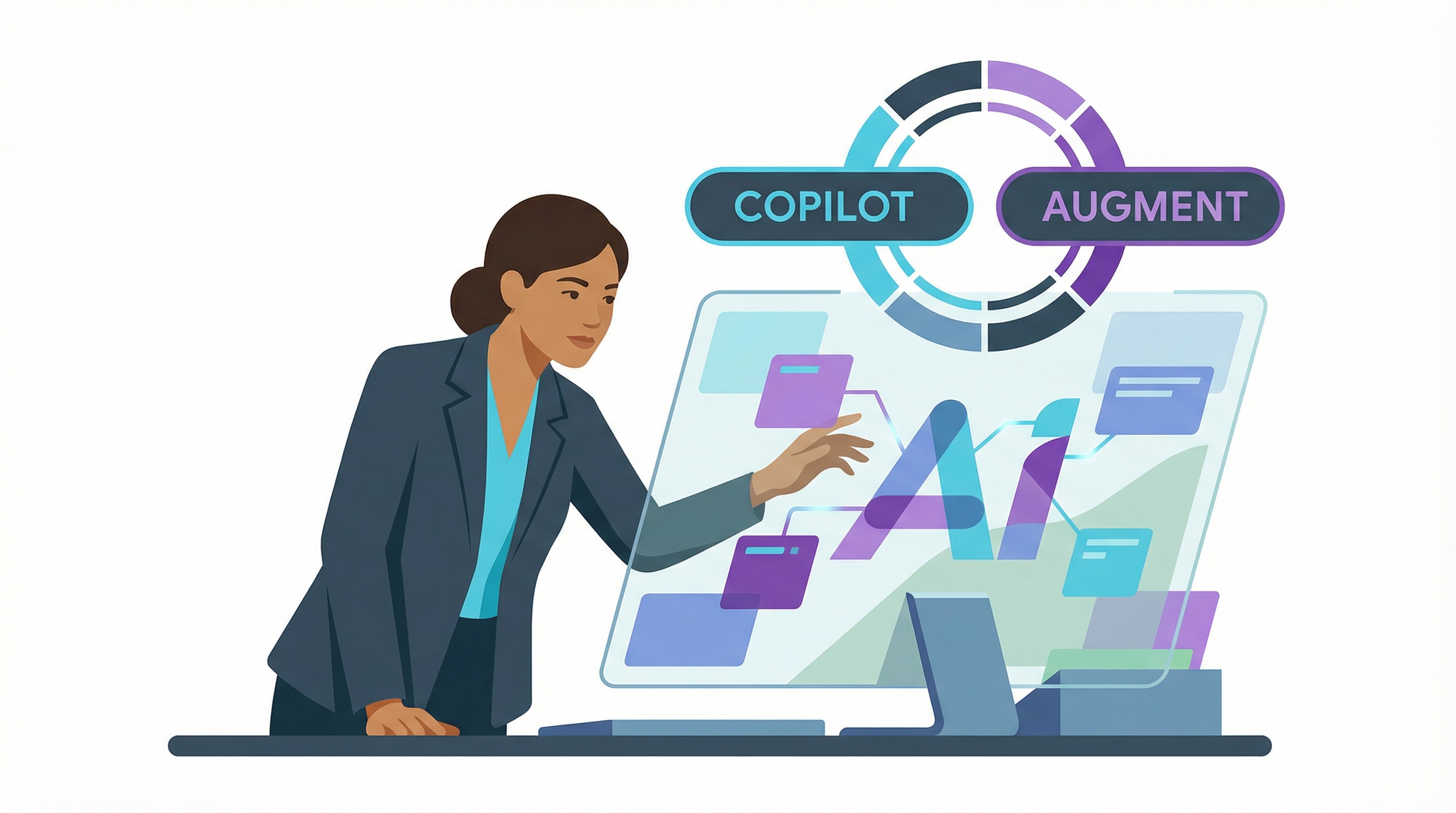
While autonomous back-office processes represent a massive leap in efficiency, the most personal and pervasive impact of AI automation in 2026 is how it augments individual knowledge workers. The concept of an AI copilot has moved from a niche developer tool to an indispensable partner for nearly everyone in a professional role, creating a truly augmented workforce .
The AI Copilot: A Daily AI Automation Tool for Enhanced Productivity
The data on this trend is unequivocal. A 2026 report from Forrester Research revealed a stunning statistic: 70% of all knowledge workers now use an AI 'copilot' tool on a daily basis . ( Study ) This isn't just a tool for tech-savvy early adopters; it's as common as email or a spreadsheet was a decade ago. This high adoption is driven by concrete improvements in knowledge worker productivity across a spectrum of daily tasks.
Let's break down the common "daily use cases" that have made these copilots essential:
- Communication: AI assistants are now masters of language. They draft professional emails from a few bullet points, summarize lengthy communication threads into concise summaries, and provide real-time, context-aware translation during international video calls.
- Analysis: The days of struggling with complex spreadsheet formulas are over. A user can simply type, "Show me the Q4 sales growth for our top three products, visualized as a bar chart from Google Sheets data," and the AI generates the analysis and the visual instantly. It can scan a 100-page report and identify key trends and outliers in moments.
- Creation: For creative tasks , AI copilots act as a powerful springboard for human ingenuity. They generate first drafts of marketing copy, write and debug boilerplate code, create comprehensive outlines for presentations, and even suggest visual concepts for a new campaign.
Human-AI Collaboration: The Future of AI Workflow Automation
The most crucial aspect of this transformation is the psychological shift in human-AI collaboration . We no longer think of these systems as just "software." They are collaborative partners. The workflow has fundamentally changed.
A marketing manager doesn't just stare at a blank page; they brainstorm with their AI to generate ten different headlines. A financial analyst doesn't just crunch numbers; they ask their AI to model different scenarios and highlight potential risks. This partnership frees up valuable human cognitive bandwidth, allowing professionals to delegate the "how" and focus entirely on the "what" and the "why"—high-level strategy, deep creative thinking, and critical human-to-human interaction.
The Best AI Workflow Automation Tools & Platforms: Our 2026 Market Review and Top AI Automation Tools
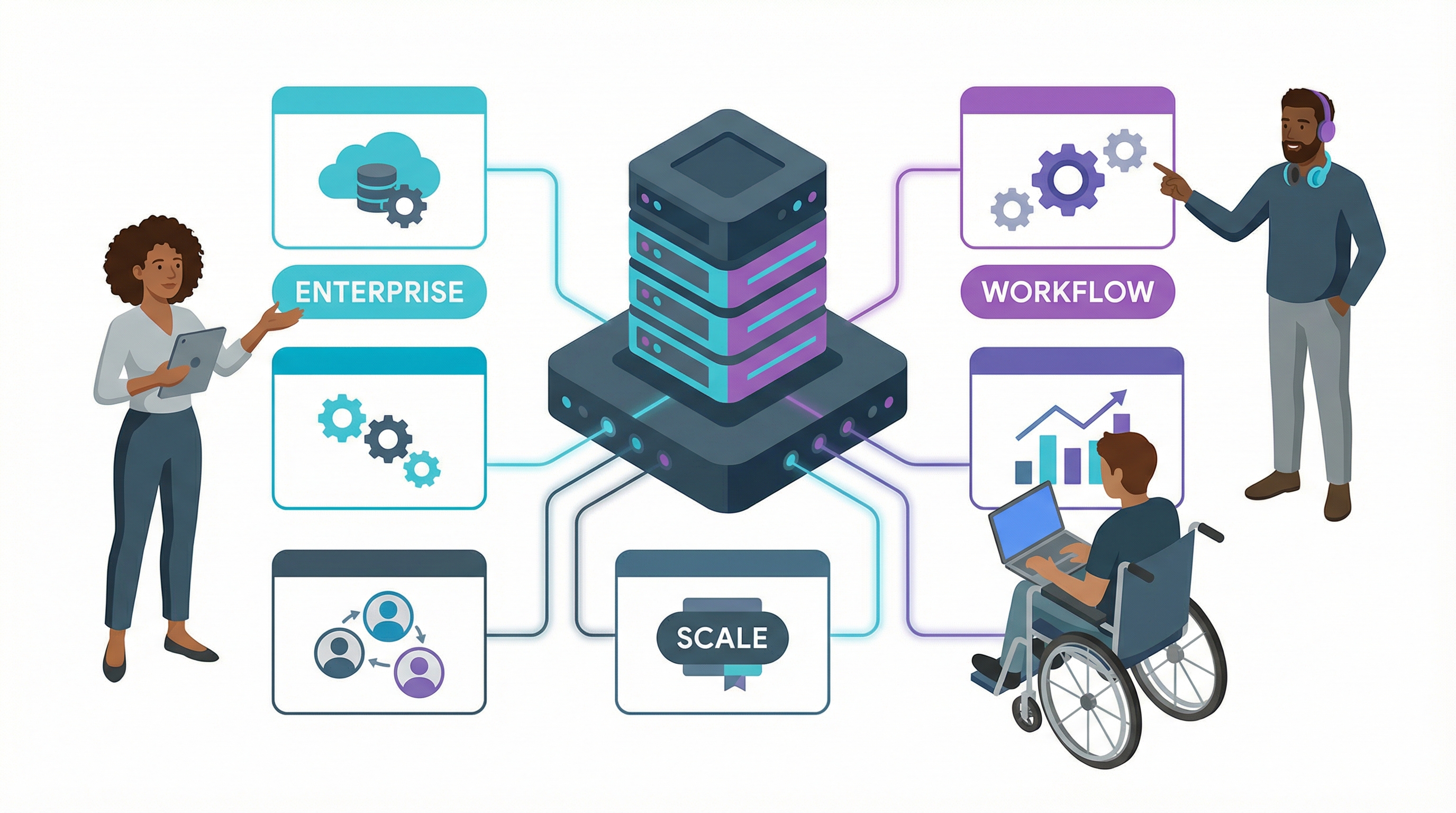
In 2026, the AI automation landscape has matured significantly. The days of patching together dozens of single-task tools are largely behind us. The market has consolidated around a few powerful, integrated platforms that serve as the backbone for an organization's automation strategy. These enterprise AI platforms offer a unified environment for building, deploying, and managing intelligent automation at scale.
Here’s a look at the leading categories and the titans within them.
Top AI Platforms for Efficiency
Best AI Automation Platforms for the Enterprise
These platforms are the all-in-one solutions for large organizations looking to implement end-to-end process orchestration. They are built for scale, security, and deep integration.
- OmniAutomate Suite: Widely regarded as the leader in governance and security, OmniAutomate excels at orchestrating complex workflows , especially across departments, providing true enterprise-grade AI solutions. Its key strength lies in its vast library of connectors, allowing for deep AI Integration with legacy enterprise systems like SAP and Oracle, which are still prevalent in many large corporations. It provides a single pane of glass for managing a fleet of digital workers, ensuring compliance and providing detailed audit trails for every automated action.
- CognitoFlow: This platform is the market leader for industries requiring advanced cognitive capabilities. CognitoFlow's competitive advantage is its best-in-class natural language understanding and decision automation engines. This makes it the platform of choice for financial institutions automating underwriting and fraud detection, as well as healthcare organizations automating patient data analysis and clinical trial documentation. Its ability to handle ambiguity and make nuanced judgments is unmatched.
AI Automation for Marketing: Tools for Content and AI Sales
This category has exploded in recent years, transforming how marketing and creative content is produced and measured.
- Synth-AI Creative Cloud: This platform is a force multiplier for marketing teams, enabling comprehensive marketing automation beyond traditional boundaries. It can take a single creative brief—outlining the target audience, key message, and campaign goals—and generate a complete suite of multi-format campaign assets. This includes video ad storyboards, social media image variations, website copy, and email marketing content. Its most powerful feature is its predictive performance analytics, which scores each generated asset on its likely engagement with specific audience segments before the campaign even launches. This is the engine behind modern Lead Generation .
Top Automation Tools for DevOps and IT Workflow
Automation in the tech stack itself has reached new heights, focusing on speed, reliability, and security.
- DevBotix: The go-to platform for DevOps and IT operations, DevBotix has revolutionized the software development lifecycle. Its autonomous code generation feature helps teams quickly build AI -powered solutions and deploy applications. On the operations side, its AIOps (AI for IT Operations) capabilities are proactive, not reactive, offering advanced AI features for monitoring and prediction. It constantly monitors system health, predicts potential outages before they occur, and can autonomously execute remediation protocols to ensure maximum uptime. When you need to build a custom AI solution, we encourage you to get started with a platform like this.
The Best AI Automation Tools for Small Business (SME) Workflow
While enterprise titans have been leveraging AI for years, the most dramatic story of the mid-2020s has been the radical democratization of these powerful tools. What was once the exclusive domain of Fortune 500 companies is now accessible, affordable, and usable for small and medium-sized enterprises (SMEs). This has leveled the playing field and unlocked immense productivity for businesses of all sizes.
The Rise of No-Code AI: Driving Growth for SME Automation Tools
The numbers speak for themselves. According to a recent Statista analysis, the AI automation market specifically targeting SMEs has grown by an astonishing 300% between early 2024 and year-end 2026 . ( Source ) This explosive growth isn't accidental; it's the result of several key market shifts that have put AI for small business within reach.
The primary drivers behind this explosion include:
- The Rise of No-Code/Low-Code Platforms: This is the single biggest factor. No-code AI platforms have replaced complex coding with intuitive, drag-and-drop interfaces. These platforms are essentially sophisticated automation software that democratizes access to intelligent systems. A small business owner with no technical background can now visually design and deploy a powerful automation workflow using an intuitive workflow builder . Platforms like Zapier, Make (formerly Integromat), and n8n exemplify this shift.
- Accessible Pricing Models: The prohibitive, six-figure enterprise contracts of the past have been replaced by flexible, subscription-based services. Many platforms now offer freemium tiers or affordable monthly plans, often including a generous free plan to get started, allowing SMEs to start small and scale their automation efforts as their business grows.
- Pre-built Templates: Modern SME automation platforms come loaded with pre-configured templates for common business pain points. A new user can instantly deploy a ready-made solution for managing social media posts, processing e-commerce orders, or handling customer support inquiries, seeing value from day one.
Many of these accessible platforms, often referred to as the tools I'm using for daily operations, also embrace a " tool like " philosophy, making integration and usage remarkably straightforward. If you've ever used a simple drag-and-drop interface, operating an AI automation tool like Zapier or Make will feel immediately familiar. This emphasis on a user-friendly, " tool like " experience is fundamental to their widespread adoption by non-technical users, enabling them to even deploy custom AI agents with ease.
Practical AI Automation Wins: SME Workflow Automation Examples
The theoretical benefits are clear, but what does this look like on the ground? Here are a few concrete examples of SME automation in action in 2026:
- A local bakery uses an AI-powered tool that integrates with its online ordering system. The AI not only processes orders but also analyzes historical sales data and local weather forecasts to predict the next day's demand, telling the owner exactly how many croissants and baguettes to bake to minimize waste and maximize profit.
- A boutique marketing agency uses a content automation engine to generate weekly performance reports for its clients. The AI pulls data from Google Analytics, social media platforms, and ad networks, then writes a clear, natural-language summary of campaign results, saving the team hours of manual reporting work, which helps them save time significantly.
- A small e-commerce store selling handmade goods uses an autonomous agent to manage its customer service. This Conversational AI handles 80% of incoming inquiries, from "Where is my order?" to processing returns, freeing the owner to focus on product creation and marketing.
Your 2026 Roadmap: How to Implement an AI Automation Platform
Successfully adopting AI automation in 2026 is less about the technology itself and more about the strategy behind it. Simply buying a tool without a clear plan leads to wasted investment and frustrated teams. A thoughtful, phased approach is critical to ensuring your automation initiatives deliver real, sustainable value and help in future-proofing your organization. For expert guidance, consider our AI Strategy Consulting services.
Step 1: Identify Opportunities for New AI Workflows
The biggest mistake companies make is automating broken or inefficient processes. Before you automate anything, you must first understand your current workflows.
Use modern AI-powered process mining tools to analyze how work actually gets done in your organization. These tools create a digital twin of your processes, automatically identifying bottlenecks, redundancies, and inefficiencies. Once you have this clear picture, prioritize opportunities by starting with tasks that are high-impact and low-complexity . This ensures you get a quick win that proves ROI and builds momentum for the program.
Step 2: Choose the Best AI Automation Tool and Pilot Your Project
Choosing the Best AI Workflow Automation Tools
Not all automation platforms are created equal. When evaluating vendors, focus on three key criteria:
- Integration Capabilities: Can the platform easily connect with the core systems you already use?
- Scalability: Will the platform grow with you as your automation needs become more complex?
- Vendor Support: Does the vendor offer robust training, support, and strategic guidance?
Once you've selected a platform, do not attempt a company-wide rollout. Start with a pilot project in a single, well-defined area. This allows you to test the technology, build internal expertise, and gather concrete performance data to build a strong business case for further expansion.
Step 3: Manage Change and Upskill Your Team for AI Automation
Automation often sparks fear of job replacement. It is crucial to address these concerns head-on with transparent communication. Frame the initiative as a strategy for augmentation, not replacement . The goal is to free your team from tedious, repetitive work so they can focus on more valuable, strategic, and creative tasks.
Invest heavily in training and upskilling programs . Your existing workforce is your greatest asset. Train them to take on new roles like "Automation Managers," "AI Process Strategists," or "Digital Worker Trainers." This not only mitigates fear but also creates a more skilled, resilient, and future-ready workforce.
Step 4: Govern and Continuously Optimize Your Automation Program
Implementing AI automation is not a one-and-done project. It's an ongoing discipline that requires strong governance from the outset.
Establish a center of excellence to create clear guidelines for AI ethics , data privacy, and decision-making transparency. You need to know why your AI agents are making the decisions they are making. Finally, treat automation as a continuous improvement cycle. Constantly monitor the performance of your automated processes, gather feedback from your team, and always be on the lookout for new opportunities to optimize and expand your automation program.
AI Automation Tools: Frequently Asked Questions (FAQ)
What's the difference between traditional and AI automation in 2026?
The core difference lies in cognition and adaptability. Traditional automation, like early RPA, was purely programmatic; it followed a fixed set of "if-then" rules. AI automation in 2026 is cognitive. It learns, adapts, and makes decisions . It can process unstructured data like emails and contracts, understand context, and optimize its own performance over time without being explicitly reprogrammed for every new scenario.
Will AI automation tools lead to job replacement?
The 2026 consensus, backed by years of data, is that AI automation causes significant job transformation, not just job replacement . It systematically eliminates repetitive, rule-based tasks. However, this simultaneously creates new demand for human roles that require skills AI cannot replicate: high-level strategy, creative problem-solving, empathetic communication, and, critically, managing the AI systems themselves. The focus is on upskilling the workforce for these new, more valuable roles.
How can a small business get started with AI automation?
The barrier to entry has never been lower. The best approach is to start with accessible, cloud-based no-code AI platforms that offer freemium or low-cost subscription tiers. Instead of trying to automate everything at once, focus on a single, high-volume, time-consuming task. Good starting points include using a chatbot for customer FAQs, automating social media post scheduling, or processing online orders. This generates a quick, measurable return that can fund further automation projects.
Conclusion: The Future is Now with AI Automation Platforms
The message of 2026 is clear: AI automation is no longer an optional upgrade but the operational standard for competitive businesses. We've journeyed from simple task automation to intelligent, end-to-end process orchestration that delivers profound, measurable ROI. This transformation is empowering both global enterprises and nimble SMEs, redefining efficiency and productivity for all.
Crucially, the ultimate potential of this technology is not in replacing human ingenuity but in augmenting it . By delegating repetitive and analytical tasks to our digital counterparts, we unlock our teams' capacity for innovation, strategy, and the creative leaps that drive true progress.
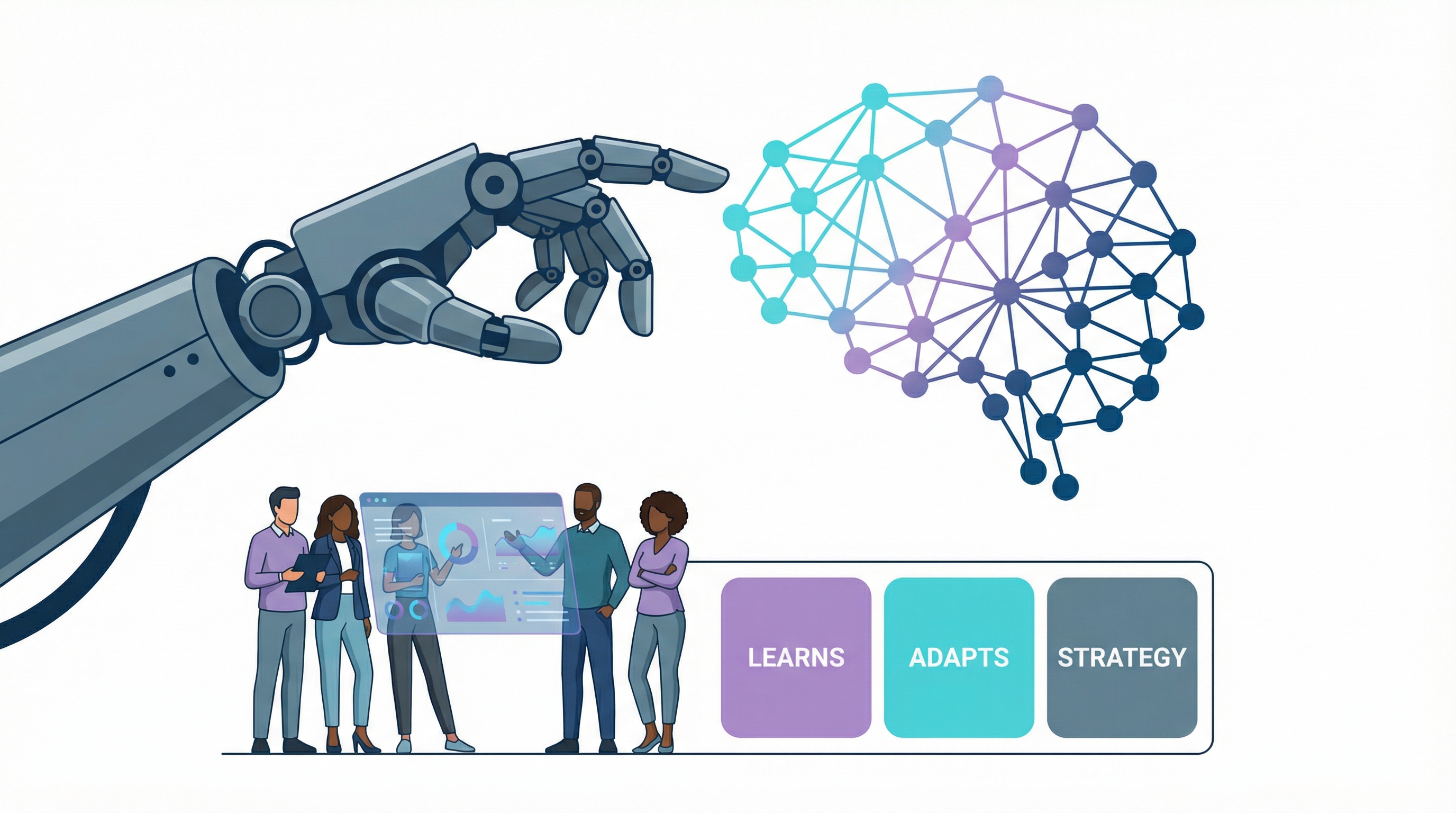
The question is no longer if your organization will adopt AI automation, but how and how quickly . We encourage you to take the first step today. Conduct a simple process audit within your own team or department. Identify the top three most time-consuming, repetitive tasks. That is your starting point on the path to building a more efficient, resilient, and forward-thinking organization. The most successful businesses of the next decade will be those that master the powerful, symbiotic relationship between human talent and intelligent automation.