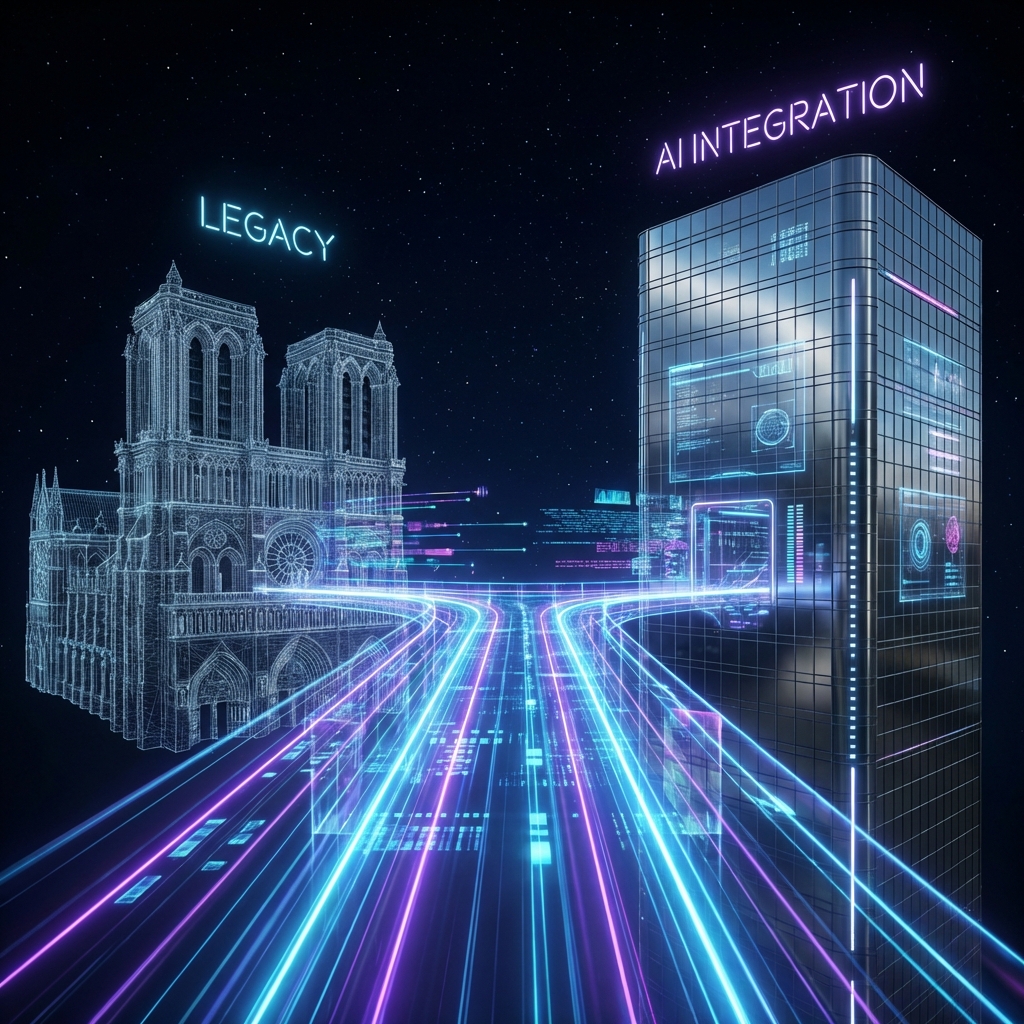
In the SaaS landscape of 2026, hyper-personalization is no longer a luxury—it is the baseline expectation. The era of generic
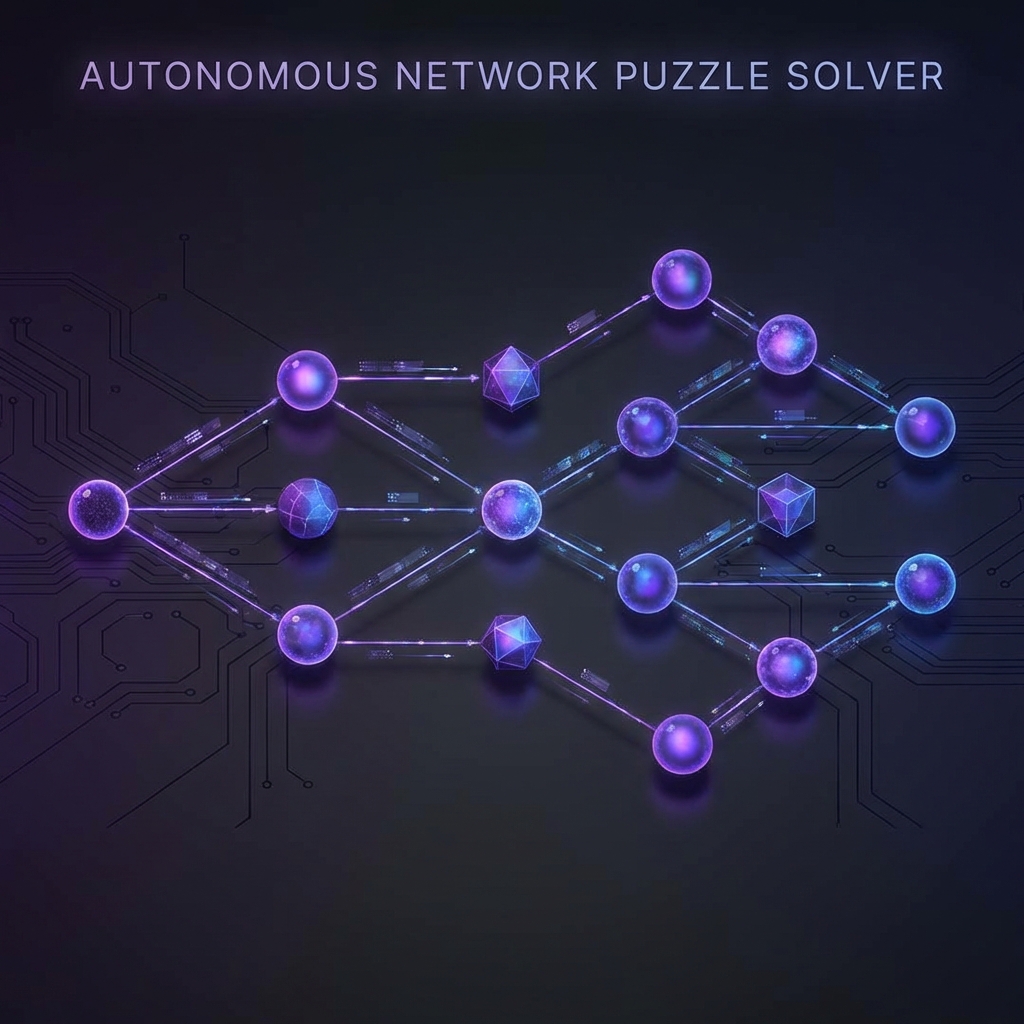
and static help centers is over. Today’s
new clientsdemand immediate, intuitive value realization the moment they sign up. If they encounter friction, they churn before the first invoice is generated. To
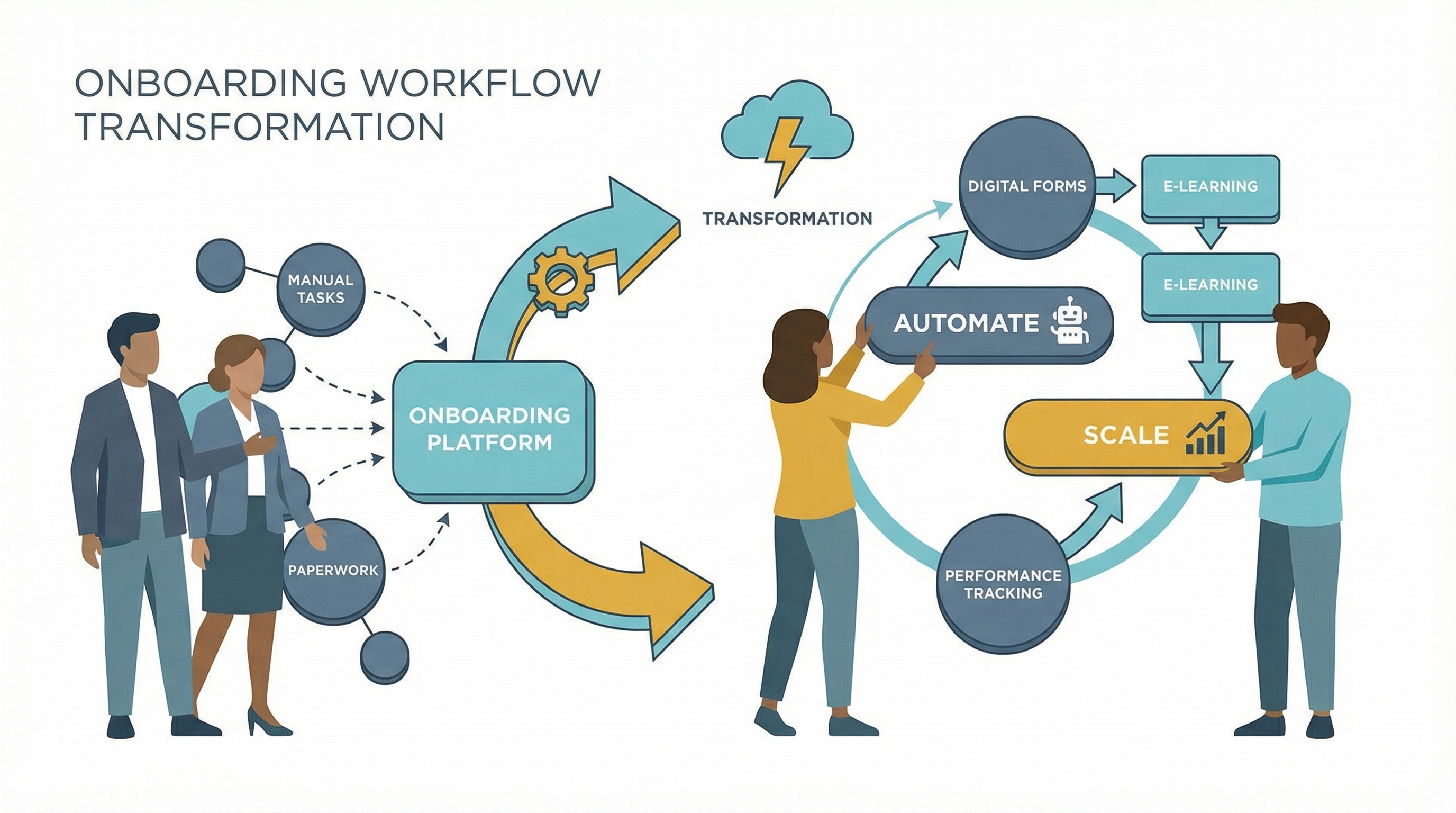
streamlinethe path to value and reduce drop-offs, companies must rethink their strategy. To **automate customer onboarding** in the modern context means moving beyond simple email triggers. It involves deploying fully autonomous, AI-driven adoption paths that adapt to user behavior in real-time. For growing enterprises, manual onboarding processes act as a severe bottleneck. You simply cannot scale personalized support to a global user base using human power alone.
Automated onboardingis the only viable solution to handle the volume and velocity of modern traffic. This guide explores the strategies, tools, and
AI Agentsrequired to build a self-driving onboarding engine that boosts
customer retentionand minimizes churn.
The Evolution of Automated Onboarding and Customer Experience
The technology powering customer adoption has undergone a radical shift over the last few years, redefining the
customer experience. We have moved from static instruction manuals to dynamic, intelligent environments where
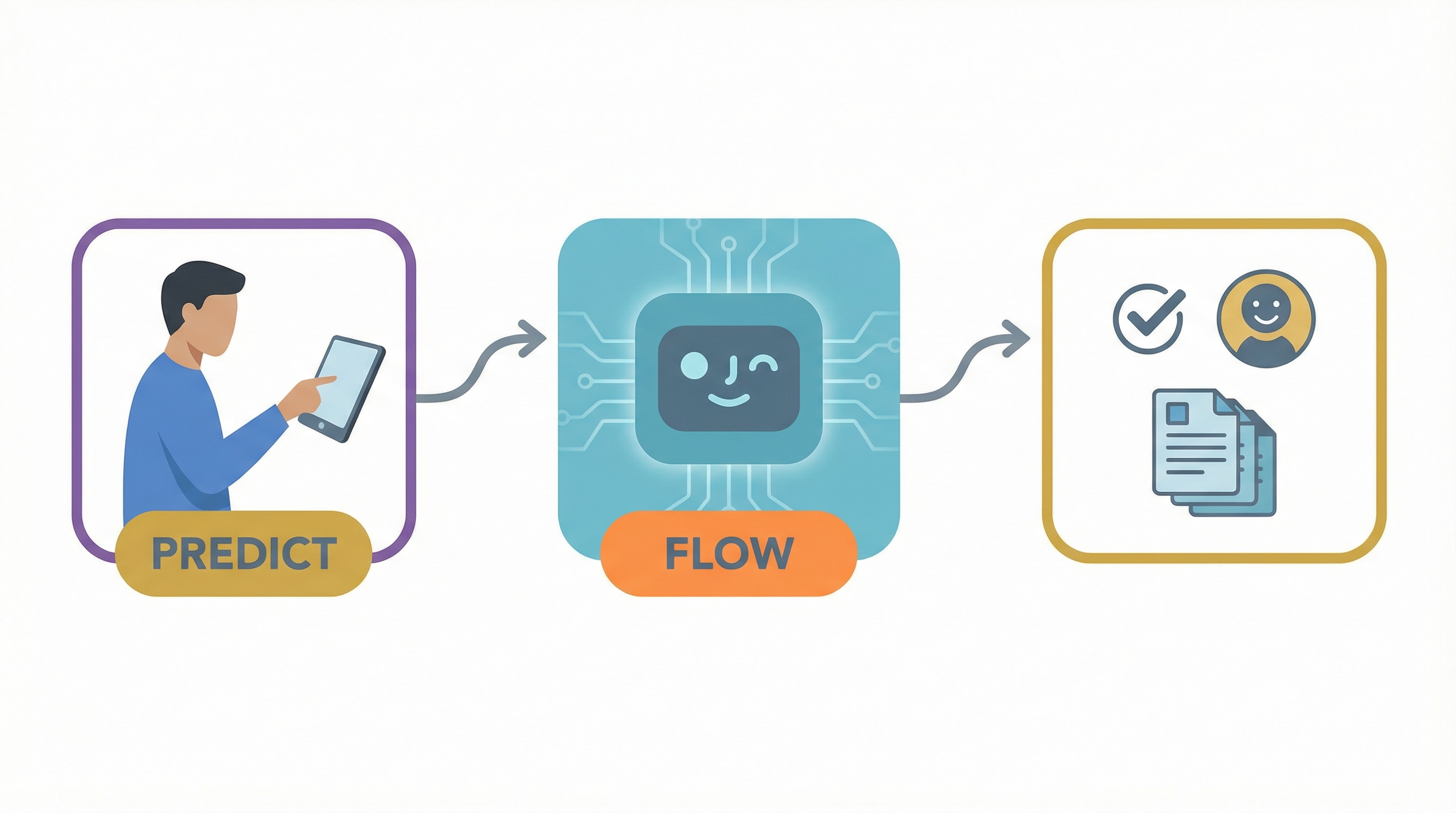
onboarding automation uses technologyto predict user needs.
Agents for Automating Client Interactions
Legacy onboarding relied on linear, rule-based chatbots that often frustrated users with canned responses. In 2026, we utilize **Generative AI agents**. These are not just conversational interfaces; they are functional digital workers capable of troubleshooting, guiding, and actually configuring accounts for users. Instead of telling a user how to import data, the agent can perform the import itself. This shift reduces the cognitive load on the customer, allowing them to focus on results rather than mechanics.
Predictive Support in the Onboarding Process
Modern systems have moved from reactive support tickets to predictive intervention. By leveraging advanced analytics, 2026 onboarding systems can identify where a user *will* get stuck before they actually do. If a user hovers over a complex feature for too long, the system triggers automated assistance proactively. This anticipation prevents frustration and keeps the user moving forward without them ever needing to ask for help.
Why You Must Set Up Customer Onboarding Automation
Deciding to **automate** the **onboarding** process yields immediate ROI, primarily by removing the human latency that slows down revenue recognition. This is critical for efficiently welcoming
new clientsand ensuring they reach adoption milestones.
Faster Time-to-Value for New Customer Onboarding
The primary goal of onboarding is to get the user to their "Aha!" moment—the instant they realize the value of your product. Automation removes friction points such as manual account approvals or data entry. By utilizing
Robotic Process Automation (RPA)alongside your onboarding software, backend tasks are completed instantly. Users can go from signup to full utilization in minutes rather than waiting days for administrative clearance.
Global Consistency Through Onboarding Automation
Scaling a business globally usually creates fragmented experiences due to language barriers and time zones. Automated systems solve this by providing the exact same high-quality standard of training regardless of location. Powered by **real-time AI translation**, an automated workflow ensures that a user in Tokyo receives the same level of support and guidance as a user in New York, instantly and accurately.
Step-by-Step Guide to the Client Onboarding Process
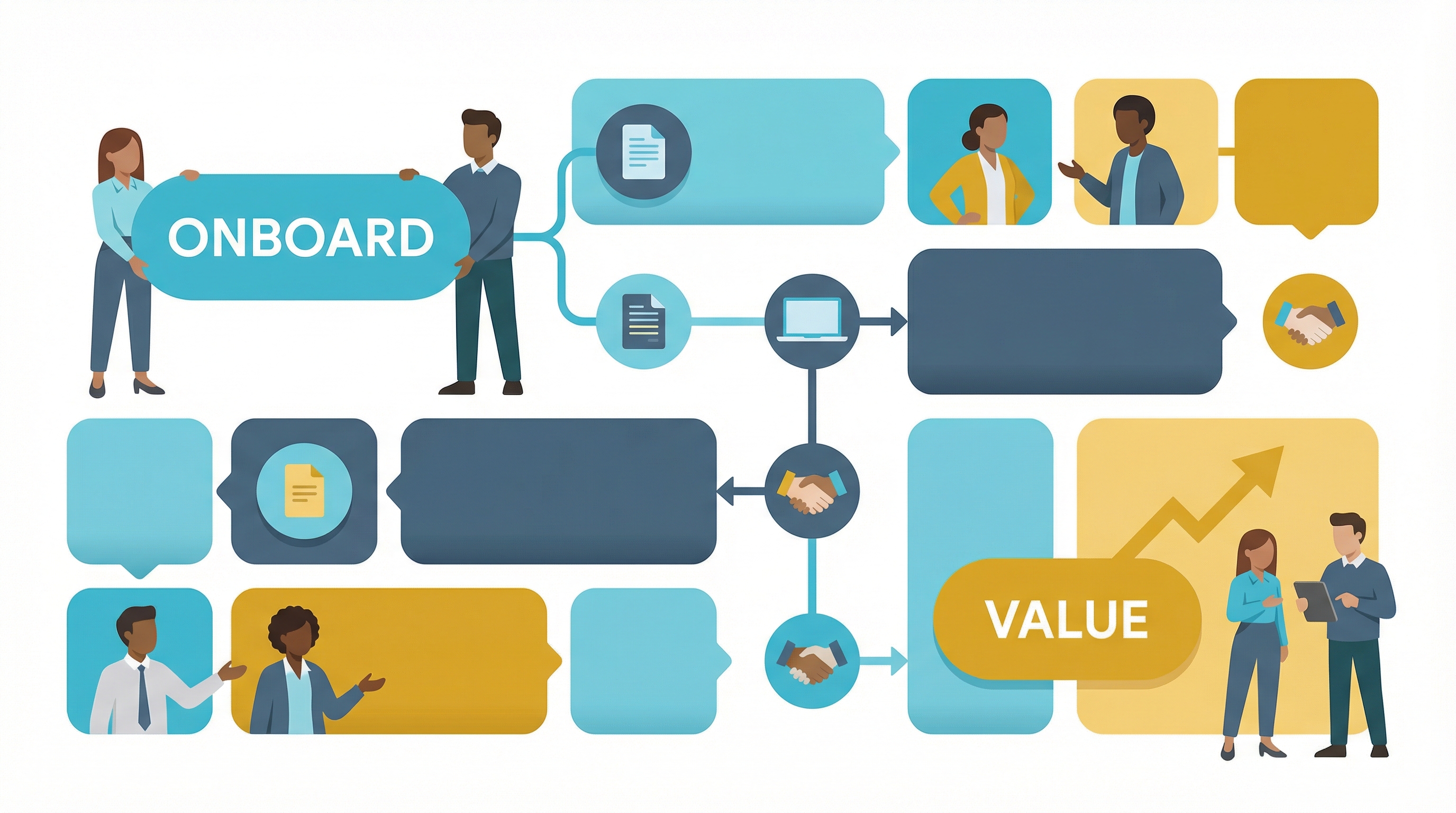
Creating a "self-driving" onboarding experience requires strategic planning. It is not about removing the human touch, but about applying technology where it adds the most efficiency to the
client onboarding process.
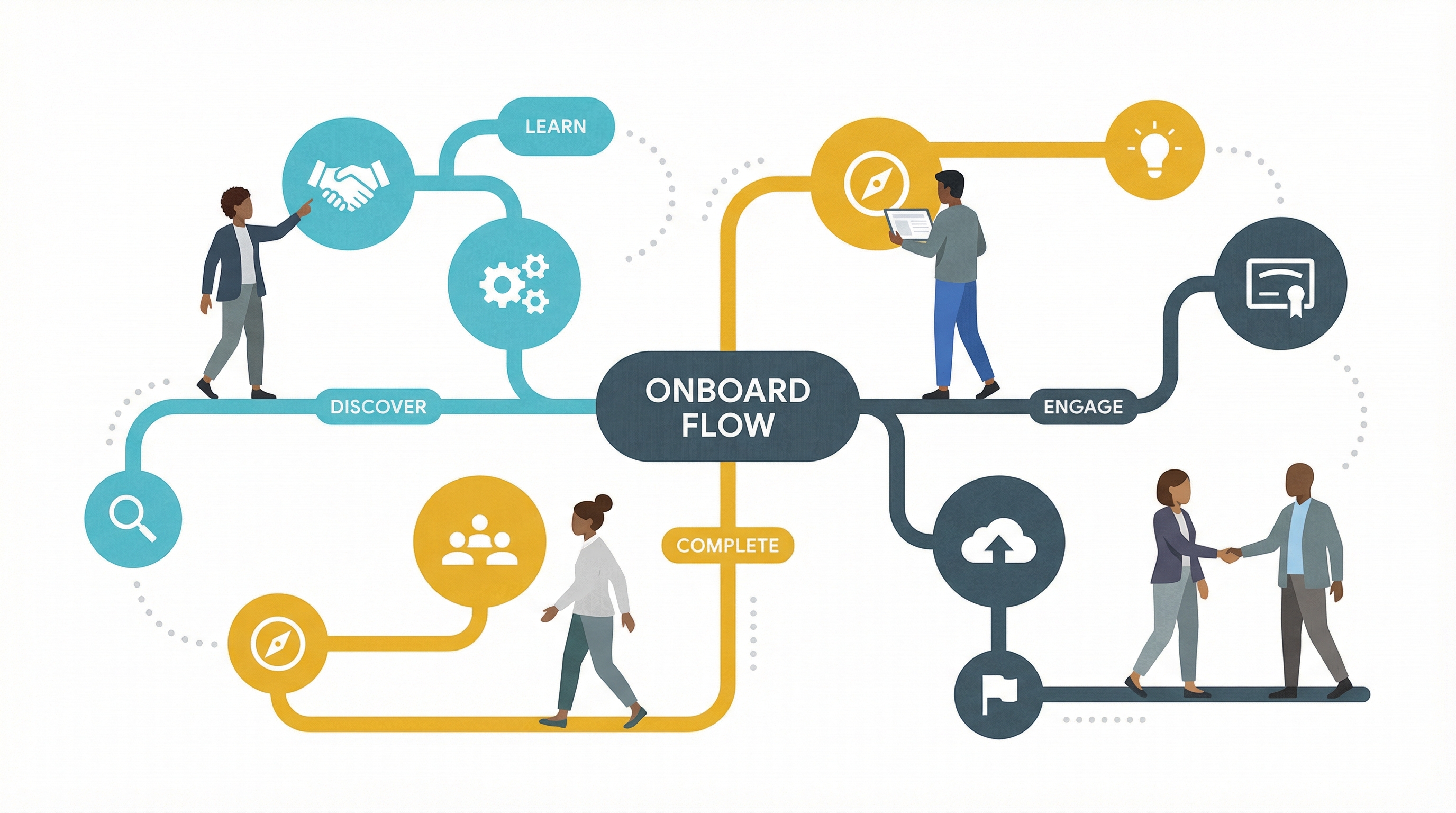
Mapping Flows to Automate Customer Onboarding
Users rarely follow a straight line. To build a successful system, you must design a flexible
Workflow Automationand
onboarding workflowthat adapts based on user behavior rather than forcing a rigid checklist. If you need assistance mapping these complex user paths,
AI strategy consultingcan help define the optimal routes. If a user skips the "Profile Setup" to go straight to "Analytics," your automated guide should adapt immediately, offering tutorials relevant to analytics rather than nagging them to upload a profile picture. This dynamic approach ensures a smoother
onboarding flow.
Secure Automation in the Onboarding Process
Security and speed are often at odds, but not in 2026. Automating KYC (Know Your Customer) protocols is now seamless. By integrating decentralized identity checks and biometric verification, businesses can validate user legitimacy in seconds. This eliminates the manual review queues that traditionally stalled B2B software access, ensuring the
entire onboardingphase is secure yet rapid.
Behavioral Triggers for Client Onboarding
Effective automation relies on context. You must configure triggers that fire specific content based on in-app actions, replacing the static
welcome messagewith context-aware interactions.
- Inactivity Triggers: If a user hasn't logged in for 3 days post-signup, send a re-engagement nudge.
- Feature Triggers: When a user accesses a premium feature, launch a micro-survey or a specific walkthrough.
- Success Triggers: When a key task is completed, trigger a celebratory animation to reinforce positive behavior and improve completion rates .
Top Tools to Automate Customer Onboarding: HubSpot & AI
To **automate customer onboarding** effectively, your tech stack must be integrated and intelligent. These platforms
help you automatecomplex sequences without heavy coding.
Using DAPs for Onboarding Automation
DAPs remain the cornerstone of user education. These tools overlay your software, guiding users through complex features interactively. In 2026, top-tier DAPs use generative AI to rewrite tooltips on the fly, ensuring the language matches the specific industry or role of the user logged in.
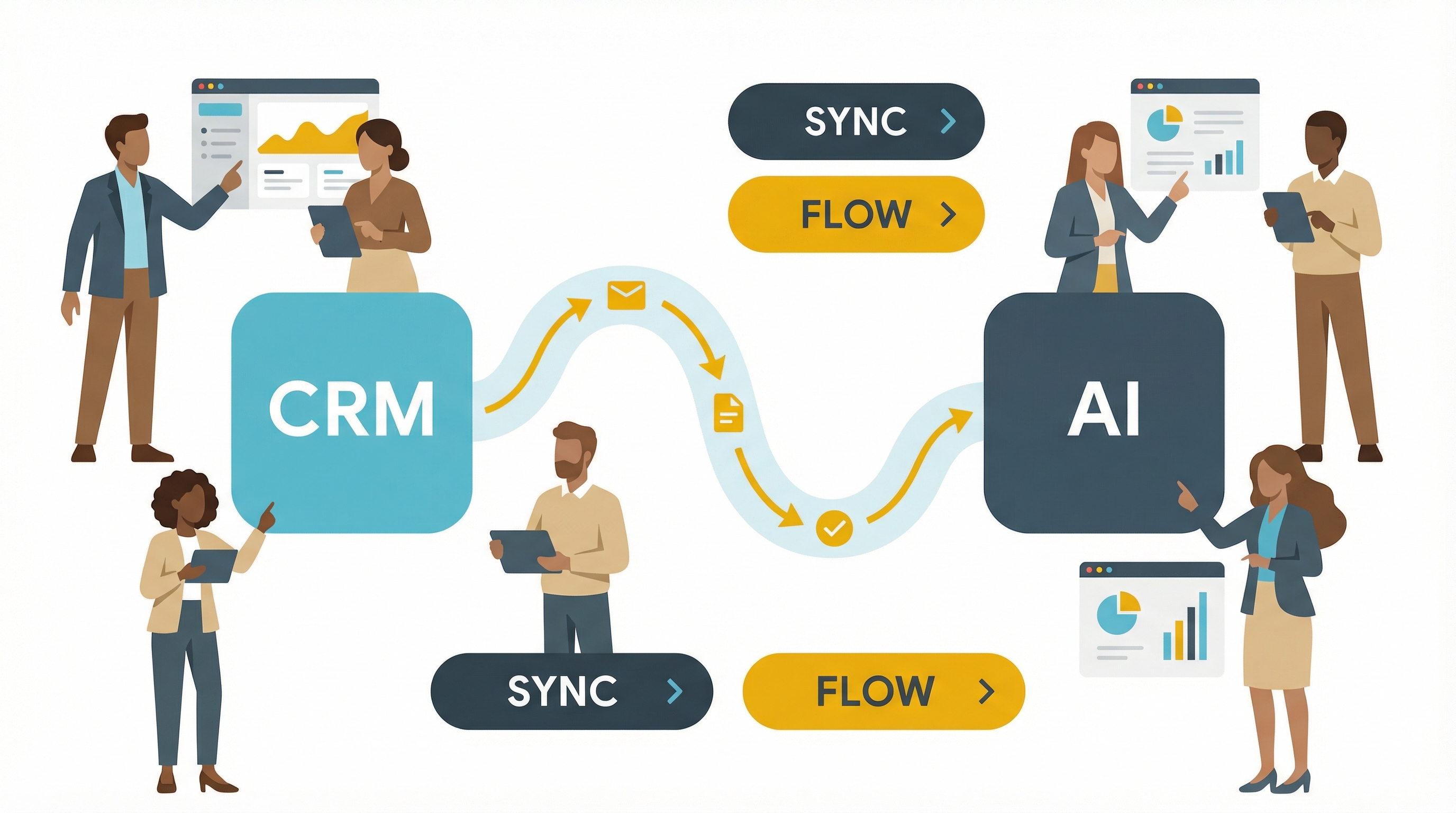
Syncing HubSpot and AI for Client Onboarding
Your onboarding software cannot exist in a silo. It is necessary to sync your onboarding data with your CRM to ensure sales and
customer successteams have a live view of customer health. Proper
AI Integrationensures that if a high-value account stalls during onboarding, an alert is sent to a human Success Manager for a "white-glove" intervention.
Measuring Success in Customer Onboarding Automation
You cannot improve what you do not measure. In an automated environment, data is your compass.
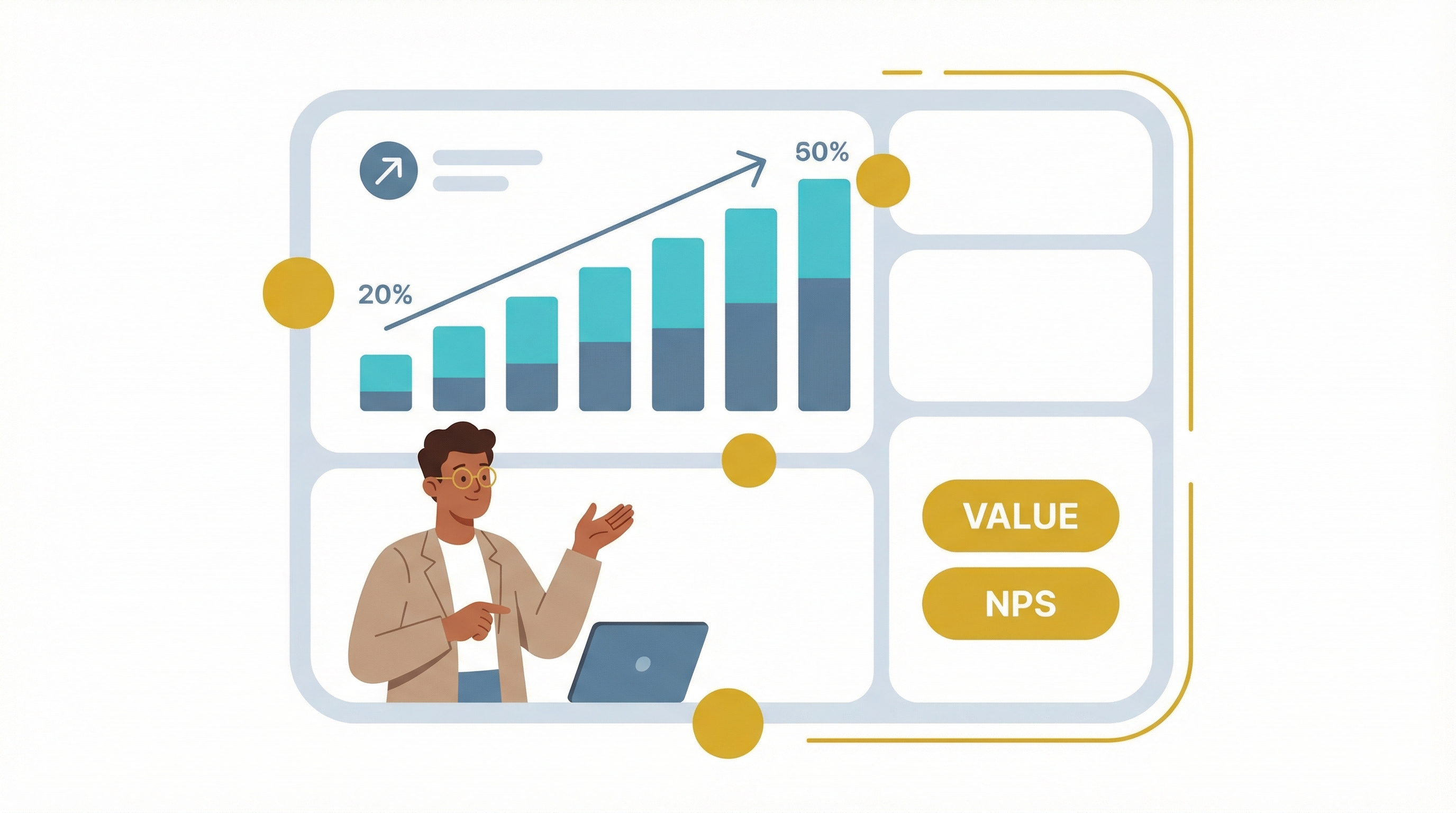
Metrics: Retention and the Onboarding Process
Success is defined by the **Activation Rate**—the percentage of users who take a specific key action that signifies value. If users sign up but never perform this action, your onboarding has failed. Additionally, tracking early-stage churn (users leaving within the first 30 days) will highlight friction points in your automated flows. According to
recent analysis by Gartner, companies that prioritize automated value realization see a distinct drop in early-stage churn compared to those relying on static documentation.
Refining How You Automate Client Onboarding
Automation allows you to collect feedback at scale. Configure your system to trigger NPS (Net Promoter Score) or CSAT (Customer Satisfaction) micro-surveys immediately after the onboarding phase concludes. Use this data to iterate on your workflows continuously and find new ways to
automate your onboarding processes.
FAQ: How to Automate Customer Onboarding
Can You Fully Automate Client Onboarding for B2B?
While you can automate the technical setup and training, B2B often requires a blend of "high-touch" and "tech-touch." For enterprise deals, use automation to handle the logistics, but utilize human consultants for strategy and relationship building.
Implementation Time for the Customer Onboarding Process
With modern no-code tools and AI accelerators, a basic automated workflow can be live in 2 weeks. However, a fully predictive, AI-driven engine typically requires 4-8 weeks to refine and train on your specific user data.
Is Customer Onboarding Automation Impersonal?
On the contrary.
Conversational AIallows for *more* personalization than manual generic scripts. AI can remember a user's name, role, and past interactions instantly, creating a tailored experience that feels bespoke to every single user, allowing you to deliver
personalized onboardingat scale.
Conclusion
Upgrading from legacy, manual workflows to intelligent, automated systems is no longer optional for growth-focused companies. To **automate customer onboarding** is not just about saving your team time—it is about respecting the customer's time. In 2026, users expect instant access and intuitive guidance. By leveraging autonomous agents, predictive analytics, and adaptive workflows, you can deliver value instantly and secure long-term retention. **Are you ready to modernize your
onboarding journey?** Audit your current process today and identify the bottlenecks that are costing you customers. If you need expert guidance on deploying these next-gen tools,
contact our teamto get started.
Author Block