
The "AI boom" of the early 2020s has settled. We are no longer in a phase of experimentation; we are living in the era of the **AI Standard**. In 2026, the concept of manual prospecting—**sales reps** spending hours scouring LinkedIn, copying emails into spreadsheets, and guessing at email formats—is effectively obsolete as companies **automate** their workflows via a modern **crm**. Modern

strategies now prioritize meaningful
sales conversationsover volume. It is a relic of a less efficient time, replaced by systems designed to act as a tireless **sales assistant** and **help sales teams** focus on closing rather than digging for data. To **find leads with AI** in the current landscape means moving far beyond basic web scraping or generic email sequencing. It requires the deployment of a sophisticated **ai engine** and autonomous agents to **qualify leads** and build an **ai-powered lead** profile that can identify, verify, and warm up prospects simultaneously, often before a human sales representative even logs in for the day. The thesis for this year is clear: Utilizing **ai-powered lead generation** technologies is no longer a competitive advantage reserved for tech giants; it is the baseline for business survival. Alignment between **sales and marketing** is now automated. If your competitors are using predictive algorithms to identify high-intent buyers while you are still cold calling based on static lists, you are fighting a losing battle. This guide covers how to leverage these generative models and predictive tools to fill pipelines with qualified opportunities, backed by the data and tools defining the 2026 marketplace.
Why the best ai lead generation tools are essential for b2b lead generation in 2026
The business landscape has shifted permanently. The adoption of artificial intelligence in sales processes has created a chasm between organizations that have embraced automation and those clinging to legacy methods, drastically shortening the typical **sales cycle**. Evaluating the **8 best ai lead generation** methodologies reveals that success depends on integration and intelligence.
The Automation Revolution: **Generation Tools That Actually Work** via the **sales platform**
We are currently witnessing a massive restructuring of time allocation within sales departments. The administrative burden that once plagued Sales Development Representatives (SDRs) has been lifted by intelligent automation found within the modern **sales platform**. By using a modern lead engine, companies can now discover and nurture leads automatically. Sales leaders are increasingly demanding **generation tools that actually work** to remove friction from the daily workflow. Back in 2023, analysts predicted this shift. According to Gartner, the projection was that by 2026, B2B sales organizations adopting generative AI would reduce time spent on prospecting and meeting prep by over 50%. Today, we see that prediction as a reality.
Source. This 50% reduction isn't just about working less; it is about working at a velocity that manual human effort cannot match. The sheer volume of data processing required to find leads with AI tools vastly outpaces human capability. It effectively eliminates the fatigue of **switching between tools** to verify data.
Reallocating Human Capital with **sales engagement** Tools
Where does that saved time go? It is being reallocated to **high-value selling activities**. In 2026, sales professionals are no longer data entry clerks; they are relationship architects. The **sales team** is now augmented by sophisticated **sales engagement** automation tools. The foundation for this was laid years ago. Research indicated that sales professionals save an average of 2 hours and 16 minutes per day using AI, with 85% reporting significantly more effective prospecting.
Source. By integrating
Robotic Process Automation(RPA) into the top of the funnel, companies allow their human talent to focus on negotiation, strategy, and closing—tasks that still require a human touch.
The lead qualification Gap: Finding high-quality leads
There is a stark contrast in success rates today. **AI-native sales teams**—those who use automated agents to find leads—are seeing conversion rates double that of legacy teams. The gap is driven by precision. Legacy teams cast a wide net and hope for the best, while AI teams **capture leads** using spear-fishing tactics at scale. Modern systems allow **sales teams identify** hidden opportunities that manual searching misses.
The Future of AI-Driven Outreach
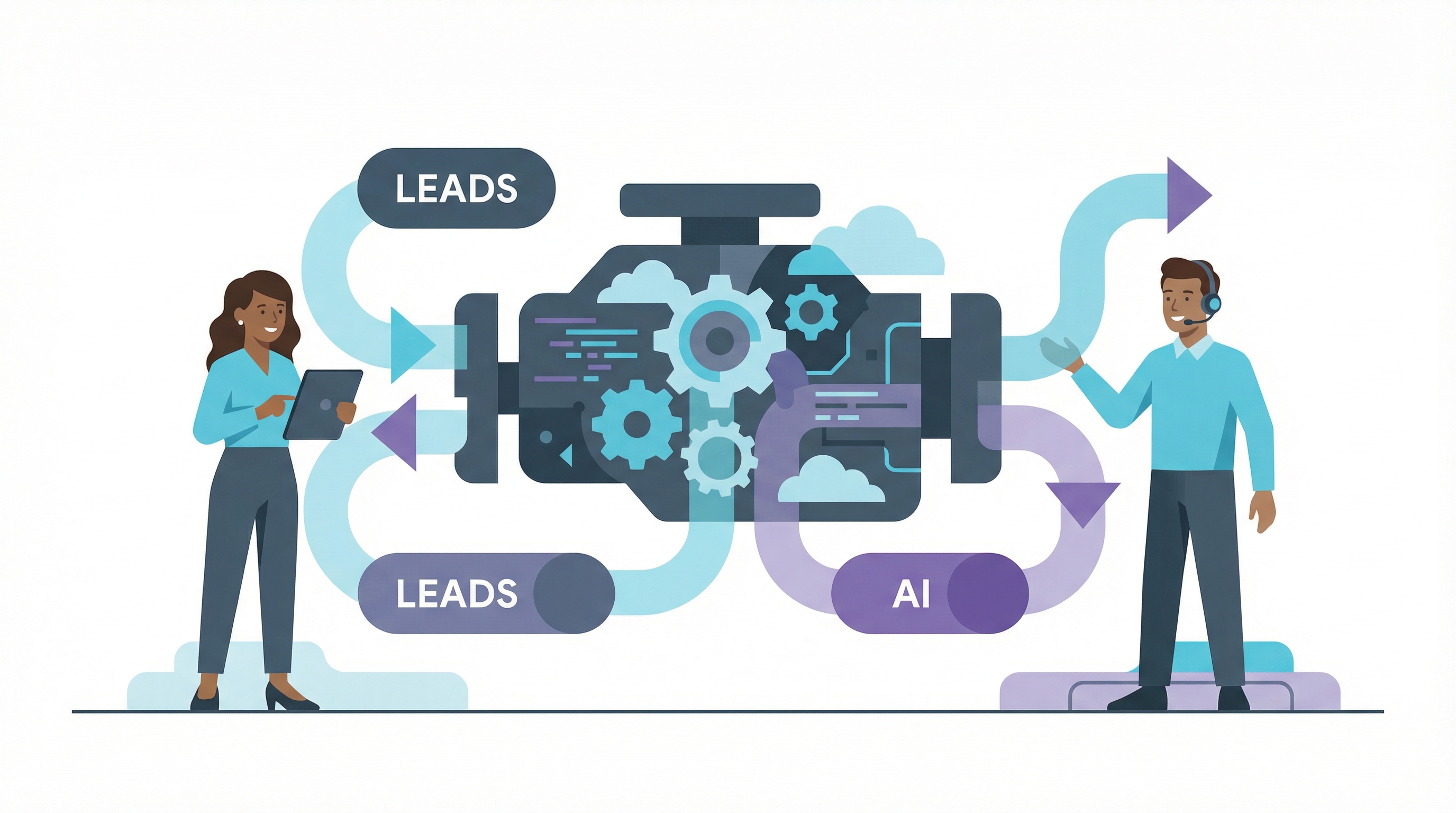
The core of any successful sales engine in 2026 is effective **outreach**. Modern outreach involves more than just sending emails; it requires an omnichannel outreach strategy that adapts to buyer behavior in real-time. The ability to reach leads through automated lead capture systems ensures no opportunity is missed. We must rely on **tools that actually deliver** context, functioning similarly to **instantly ai** to allow for massive scale without hitting spam filters. When your outreach is powered by autonomous agents, every outreach attempt is personalized based on deep data analysis. Features like **ai reply categorization** ensure that responses are routed instantly. High-frequency **ai email** outreach no longer feels impersonal because the outreach is contextually relevant. By mastering automated outreach, businesses can ensure their outreach message lands at the perfect moment.
How High-Performing Teams Use the **8 Best AI Lead Generation** Tactics
The best teams aren't just using AI to write emails; they use **tools like** **sales navigator** and **copilot ai**—often triggering a **chrome extension** workflow—to architect the entire lead lifecycle. They utilize specific **tools to find** highly accurate contact information powered by **proprietary ai**.
Enhancing Prospect Velocity with an ai lead finder
Automated Prioritization to Identify the Best AI Lead
The concept of "Intent Scoring 2.0" has revolutionized how we view pipelines. In the past, lead scoring was static (e.g., based on job title or company size). Today, **AI lead generation** tools analyze dynamic, subtle signals and extract vital **lead data** instantly to provide deep **company insights**. Algorithms now monitor web activity, hiring patterns, technology stack changes, and even funding news in real-time. The focus is now on high-intent leads, ensuring that new leads enter the pipeline with high conversion probability, sending these leads straight to the CRM. They can even track **anonymous website visitors** to deanonymize interest and highlight **potential leads**. This allows the system to rank leads based on *buying intent* rather than just demographics. This approach is widely considered **best for b2b** environments where timing is critical. High-performing teams are 1.9 times more likely to use AI than underperformers, specifically utilizing it for this type of automated prioritization.
Source.
Mastering Data Hygiene for Every B2B Lead
Old data kills deals. In 2026, the solution is the **self-healing database**. Modern crm systems utilize
AI Integrationand **lead intelligence** to cross-reference **contact and company** details against billions of data points across the web. If a prospect changes jobs, the **crm** will **automate** the update, flags the new company as a potential lead, and marks the old email as invalid—all without human intervention. This automated hygiene ensures that sales teams never waste time crafting a pitch for a "ghost" lead and **helps you find warm leads** faster.

Scaling Workflows powered by ai for Maximum Revenue
While efficiency is a strong metric, the ultimate KPI is revenue. The financial impact of switching to an AI-first **lead generation strategy** is measurable and significant.
The Bottom Line for AI Sales Growth
We have moved beyond discussing efficiency to discussing hard currency. Companies that have fully matured their
AI Strategy Consultingand implementation are seeing revenue spikes that correlate directly with their AI adoption rates. Finding the **lead generation tools that actually** fit your niche is the first step toward this growth.
ROI Analysis of Your AI Lead Generation Tool
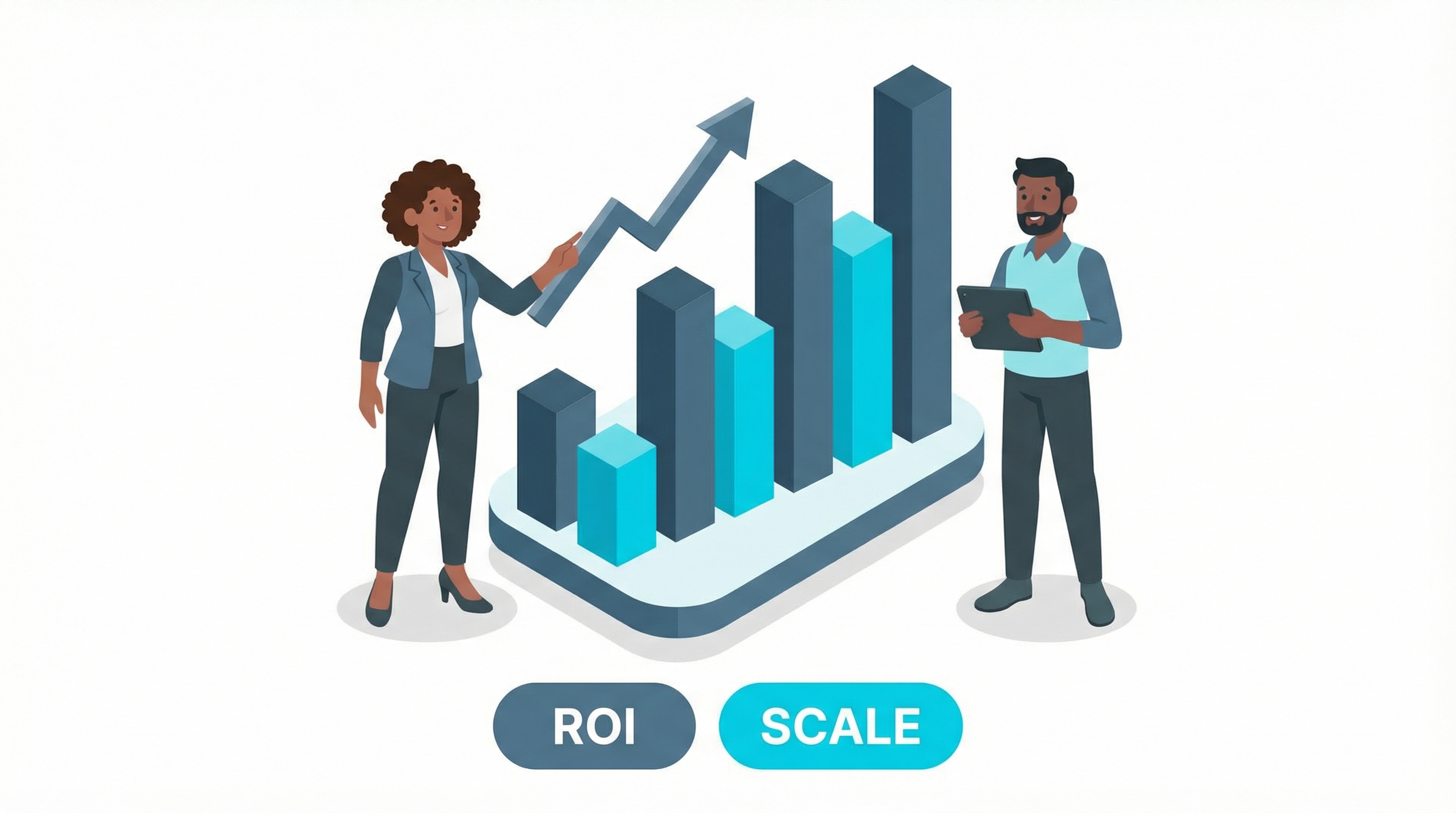
The data is irrefutable. Companies investing in AI see a revenue uplift of 3% to 15% and a sales ROI increase of 10% to 20%. A top-tier provider **offers a free** trial to demonstrate this immediate impact.
Source. This uplift comes from the speed of lead engagement and the precision of the targeting. When you **find leads with AI**, you are finding people who are mathematically more likely to buy.
Quality vs. Quantity When You Find Leads with AI
It is important to note that AI improves **lead generation quality**, not just volume. Marketing budgets are often wasted on dead-end prospects. By utilizing predictive modeling, companies ensure that their ad spend and outreach efforts are focused solely on high-probability targets, drastically improving the cost-per-acquisition.
Generative Agents: The Future of AI Lead Generation Automation
The most exciting development in 2026 is the mainstream adoption of autonomous agents. To **get access** to these high-level capabilities, companies are rapidly upgrading their stacks.
Deploying Autonomous AI Sales Agents
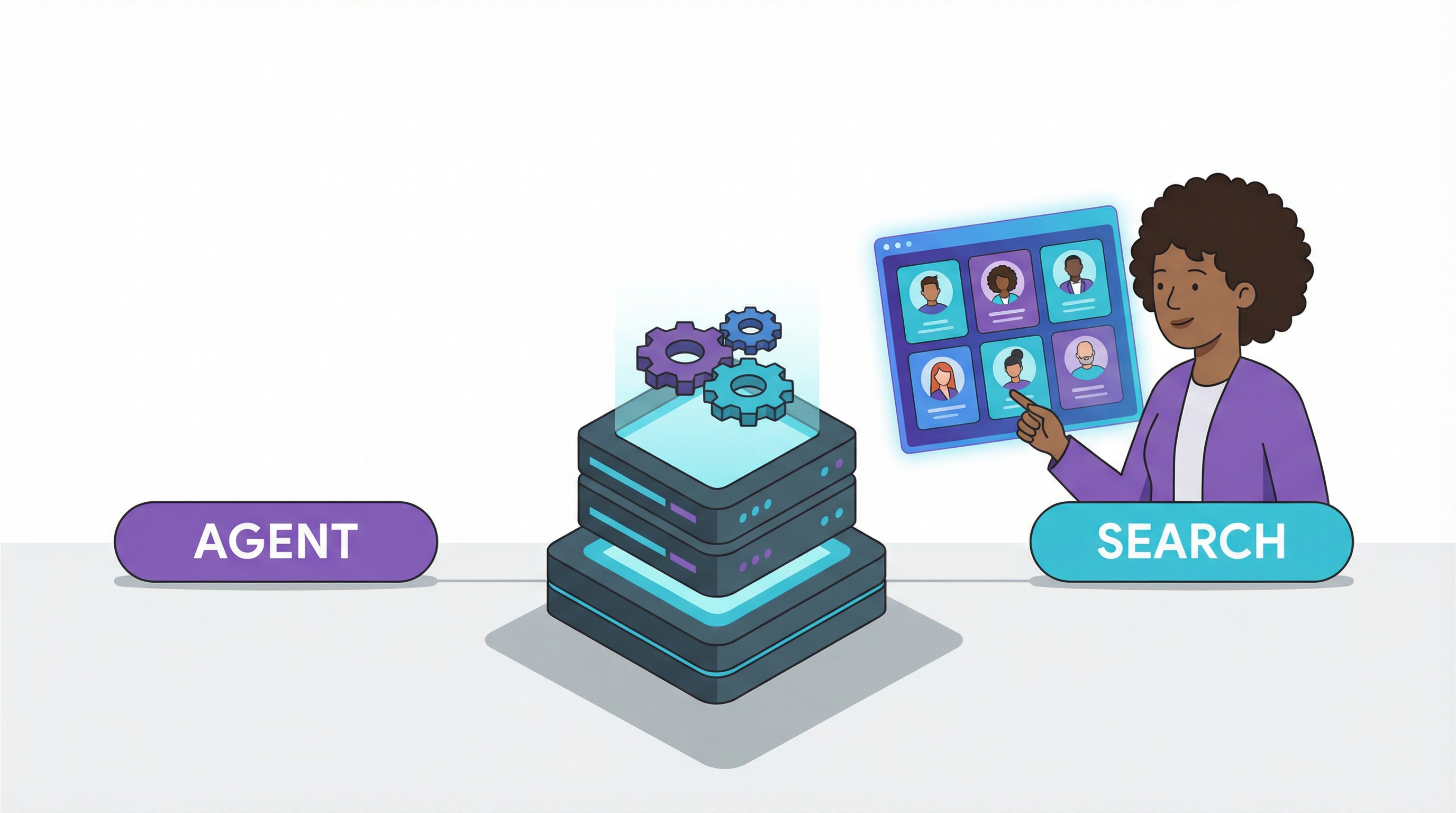
What are autonomous SDR agents? These are sophisticated pieces of software designed to function like digital employees, acting as a tireless **ai assistant**. For more on how to build these, see our guide on
AI Agent Development. These agents can navigate the web, analyze LinkedIn profiles, cross-reference company news, and draft emails with human-like nuance. They possess the capability to "find leads with AI" by understanding natural language queries. A sales director can simply command, *"Find me the VP of Sales in the Fintech sector who posted about hiring SDRs in the last week,"* and the agent will execute the search, verification, and list building instantly.
Hyper-Personalization Using the Best AI Models
The days of "Hi {FirstName}" are over. That level of personalization is now considered spam. Modern strategy involves **hyper-personalization**. Using Large Language Models (LLMs), agents synthesize a prospect’s recent podcast appearances, news articles, and annual reports to craft a unique "hook" for every single lead. This level of detail drives the revenue growth mentioned earlier, as buyers respond to relevance, not templates.
Step-by-Step: A Workflow to Find Leads with AI
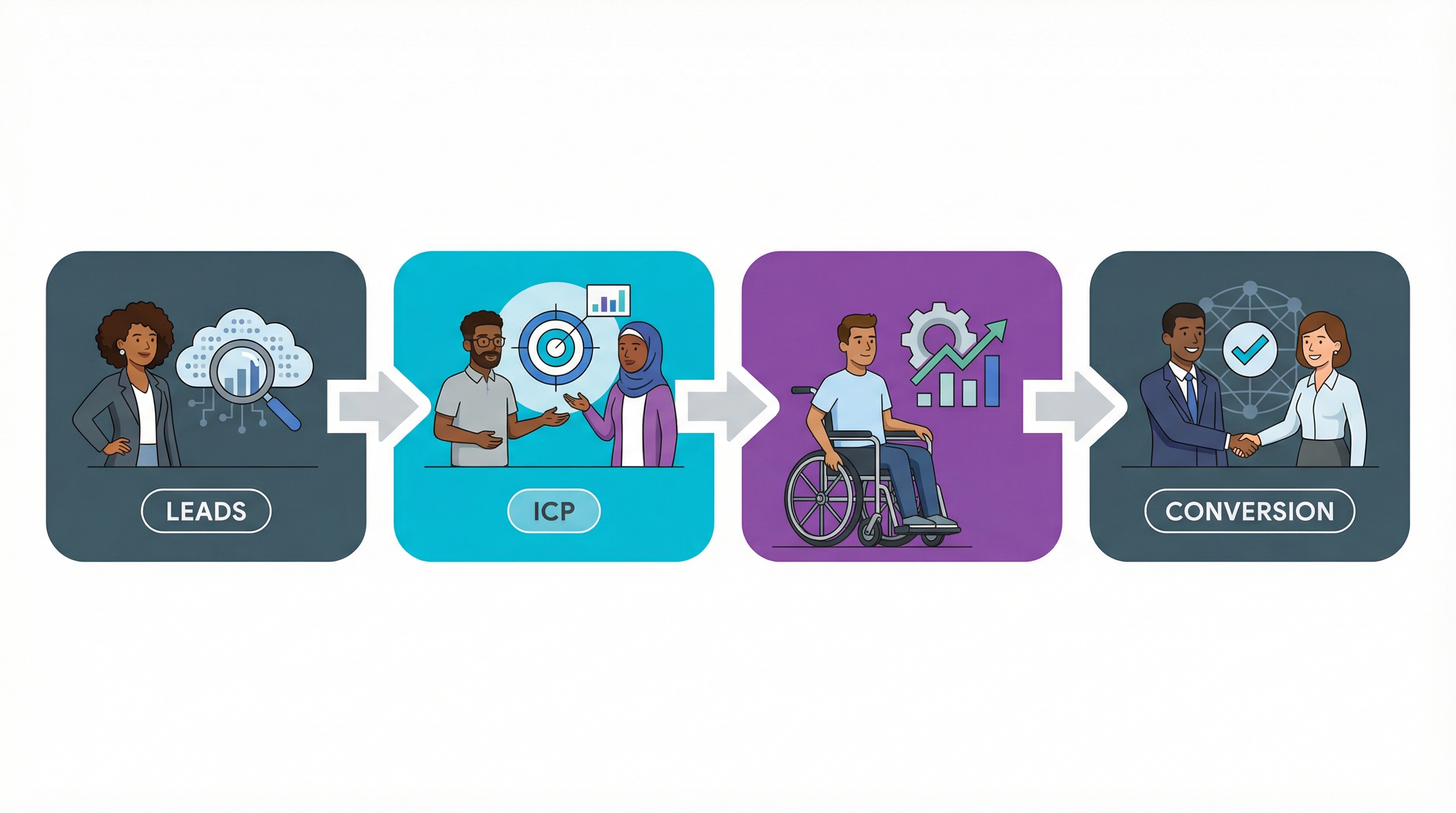
To replicate the success of top-tier firms, you need a structured workflow that leverages **multiple tools** seamlessly. While there are many tools on the market, the most successful firms use specialized tools across their entire sales stack. Here is the 2026 blueprint: 1. **Define the Ideal Customer Profile (ICP) using AI:** Stop guessing. Input your best customer data into an AI model to generate a "Lookalike Audience." The AI identifies patterns in your successful deals that humans might miss. 2. **The Discovery Phase:** Deploy intelligent scrapers and intent-data platforms to build a raw **lead list** of potential targets that match the AI-generated ICP. 3. **The Enrichment Phase:** Automatically populate missing fields. Use **sales tools** with waterfall enrichment capabilities to find direct dials and verified emails from multiple providers simultaneously, making this a powerful **intelligence tool**. 4. **The Verification Phase:** Before a single email is sent, the AI performs "ping" tests to ensure deliverability, protecting your domain reputation. 5. **The Activation Phase:** Hand the verified list off to Generative AI agents to **automate lead** nurturing and **close deals**. This seamless transition is the hallmark of modern
Workflow Automation. 6. **The Testing Phase:** Many organizations find success starting with a **free plan** on various platforms. Always check if the **free plan includes access** to advanced filters to validate your specific workflow before scaling or looking for a **free option** indefinitely.
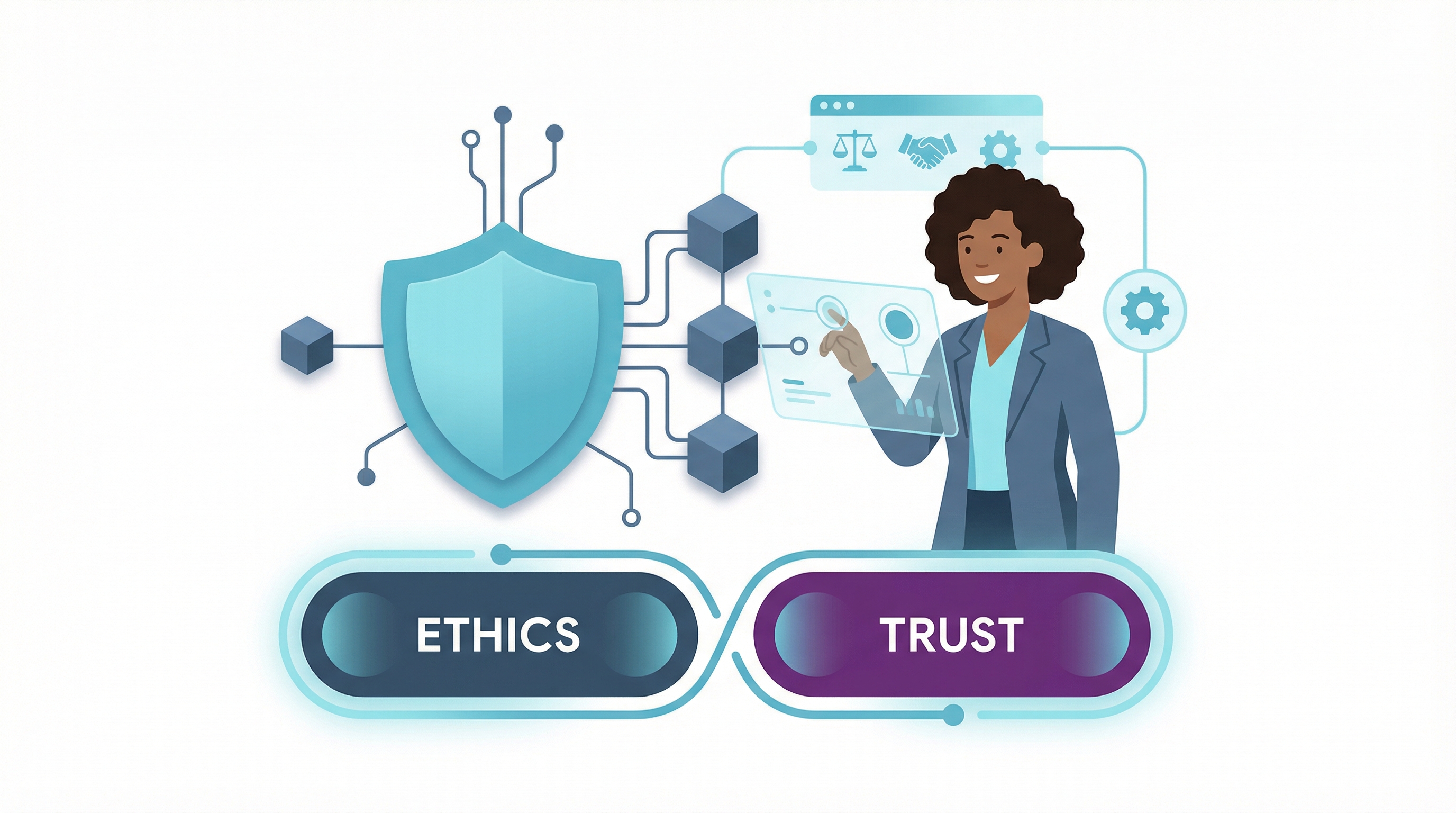
Ethical AI: Navigating B2B Lead Sourcing Automation
With great power comes great responsibility. As we automate the hunt for business, we must navigate the complex web of privacy laws.
Compliance in 2026
The legal landscape regarding GDPR, CCPA, and newer global privacy standards has evolved. Scraping public data is generally permissible, but how that data is stored and processed is strictly regulated. Compliance is built into modern tools. Leading platforms now automatically redact sensitive personal information that isn't relevant to B2B commerce. However, the **"Human in the Loop"** remains critical. Oversight is necessary to ensure algorithmic bias doesn't creep into lead selection, ensuring fair access to services and products.
Building Trust
You can use AI to find leads without crossing the line into intrusive surveillance. **Transparency** is key. The goal is to use intelligence to be relevant, not creepy. Additionally, brand reputation is paramount; ensure your AI agents are programmed with strict frequency caps to avoid spamming prospects, which can severely damage your email domain's reputation.
Frequently Asked Questions About AI Lead Generation
**Can AI really replace a human SDR in 2026?** No, but it replaces the *tasks* of the SDR. The role evolves into a "Sales Architect" or "Campaign Manager," where the human manages the strategy and the AI executes the labor. **Is it legal to scrape LinkedIn to find leads with AI?** This is a nuanced area involving Terms of Service versus public data laws. While collecting public data is often legal, violating a platform's user agreement can get accounts banned. Most 2026 tools use API partnerships or compliant "headless browser" technologies to mitigate this risk. **How much does an AI lead generation stack cost?** While the upfront cost of tools can be significant, the ROI comparison is against hiring headcount. A stack costing $2,000/month often outperforms a junior employee costing $5,000/month in terms of raw output and data accuracy. **Which AI tools are best for small businesses?** For smaller teams, look for "all-in-one" platforms that combine finding, enriching, and emailing. Complex enterprise stacks require heavy
Conversational AIintegration, but small businesses thrive on agility. **How long does it take to see results?** Efficiency gains are immediate—often within the first week. Revenue gains typically follow in 3-6 months as the pipeline matures and the AI learns which leads convert best.
Conclusion: How **free ai lead generation** strategies help **close more deals**
The journey from manual searching to autonomous **AI lead generation** is complete. We have moved from a time of skepticism to a time of necessity. Remember the data: Gartner predicted a **50% time reduction** in prospecting, and we have achieved it. McKinsey proved a **revenue uplift of up to 15%** for those who adopt these tools. These are not just numbers; they are the difference between growth and stagnation. The ability to generate **leads and close** efficiently is the defining trait of the modern enterprise. **Call to Action:** Do not let another quarter pass with manual processes slowing you down. Audit your current sales stack this week. If you are not utilizing autonomous agents or predictive modeling,
contact usto start your transformation. Adopt one specific AI strategy this week to start finding better leads faster. In 2026, the question is no longer "Should I use AI?" but "How fast can I optimize it?" The future of your pipeline depends on the answer.
Author Block