
Why RPA in Finance and Accounting is a Game-Changer
In 2026, the finance department has permanently evolved from a back-office support function to a central nervous system for strategic enterprise intelligence. The catalyst for this transformation is the sophisticated application of

(RPA), now deeply integrated with artificial intelligence. This powerful combination is the driving force behind the most efficient and insightful finance teams in the world. While early RPA focused on automating simple, repetitive tasks, today's "Intelligent Automation" (IA) tackles complex, judgment-based processes, fundamentally changing how
finance processesare managed. The scope of automation in finance has expanded dramatically, moving beyond basic data entry to
automatenuanced analytical functions. This article explores the ten most critical
RPA use cases in finance for 2026. We will showcase how leading organizations are leveraging this technology to enhance accuracy, accelerate decision-making, fortify compliance, and empower finance professionals to become true strategic partners to the business. ---
The Evolution of RPA in Finance: From Automation to Intelligent Forecasting
The conversation around
RPA in financehas fundamentally shifted by 2026. We've moved past the initial paradigm of using basic
software robotsfor simple, rules-based task automation. The new era is defined by cognitive automation, where RPA acts as the digital "hands" for a much more intelligent "brain" powered by AI. This evolution is marked by the deep convergence of RPA with a suite of cognitive technologies, including Artificial Intelligence (AI), Machine Learning (ML), Natural Language Processing (NLP), and advanced optical character recognition (OCR). This powerful toolkit, collectively known as Intelligent Automation, represents a significant leap forward. An effective
AI integrationstrategy is no longer a luxury but a necessity for any finance department aiming to stay competitive. The goal has transcended mere cost reduction. Today, the emphasis is on
value creation. Intelligent Automation achieves this by generating cleaner data, delivering faster insights, and enabling a level of strategic agility that was previously unattainable, driving significant
digital transformationacross the enterprise. This allows finance teams to forecast and model with unprecedented precision, leading to substantial
cost savingsand improved
operational efficiency, thereby boosting overall
productivity.
The C-Suite Priority: Using RPA for Key Finance and Accounting Tasks
This strategic shift is a top priority in boardrooms globally. A landmark
2025 McKinsey Global Surveyhighlights that 72% of financial services CFOs are now prioritizing Intelligent Automation over traditional, simplistic RPA (
Source). This data confirms a market-wide move towards more sophisticated applications. In practice, this means finance leaders are moving beyond automating data entry and setting their sights on more complex processes. These include areas that require a degree of judgment, such as accrual management, revenue recognition based on complex contracts, and performing the initial level of variance analysis. To support this, many organizations
implement rpawith advanced
rpa solutions. In these scenarios,
rpa helpsbots handle the first-tier investigation, flagging only the most significant or unusual exceptions for review by a human expert. ---
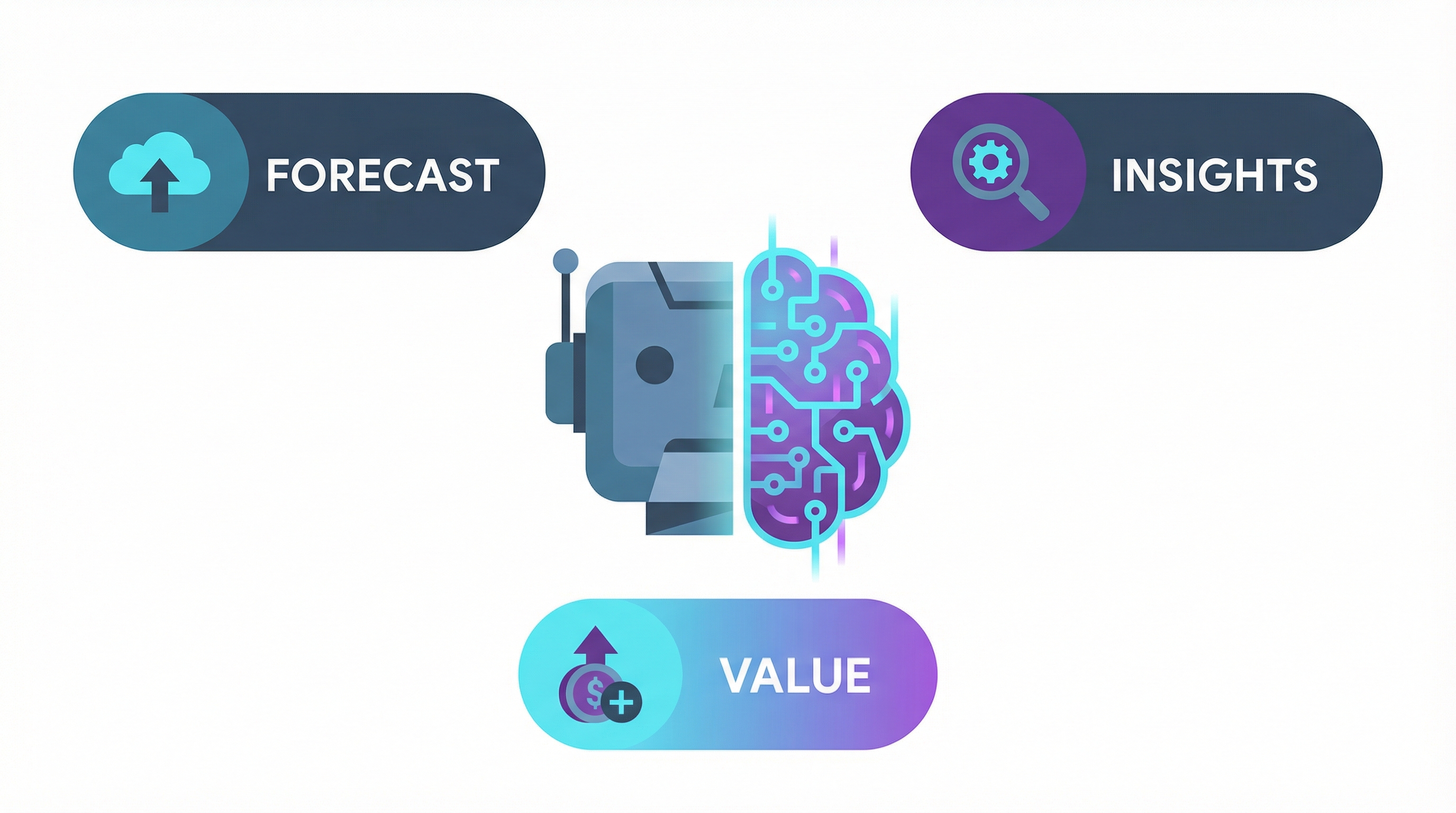
A Key RPA Use Case: Revolutionizing Financial Close and Reconciliation
For decades, the month-end close has been one of the most stressful, manual, and time-consuming periods for any finance team. This critical
business processfor managing
financial processeswas a frantic scramble of consolidating data from disparate systems, manually reconciling accounts, and chasing down information under tight deadlines. In 2026, Intelligent Automation has completely revolutionized this critical process. The "before" scenario of late nights and spreadsheet-based reconciliation is being replaced by an "after" that features an automated, near-real-time, and continuous close. Bots work around the clock, reconciling transactions as they occur. This transforms the month-end from a historical reporting exercise into a simple validation of data that has already been processed and verified throughout the period, greatly helping to
improve accuracy.
Using RPA for Faster Month-End Reconciliation and Reporting
The impact of this shift is profound. A
2024 study from Gartnerrevealed that finance departments deploying robust automation have reduced their month-end close process by an average of 40% (
Study). This reclaimed time is now dedicated to high-value analysis and strategic planning. This type of end-to-end process improvement is a prime example of successful
RPA implementation. Key areas of impact include: *
Account Reconciliation:Bots automatically access the general ledger and various sub-ledgers (bank statements, credit card accounts, AR/AP systems) to match transactions, instantly identifying and flagging discrepancies for investigation. *
Intercompany Transactions:The notoriously complex process of reconciling transactions between a parent company and its subsidiaries is now fully automated. Bots match invoices, payments, and loan accounts across entities, providing an immediate, consolidated view. *
Journal Entries:Recurring journal entries for items like depreciation and amortization, as well as complex accrual-based entries, are automatically calculated, created, and posted with rule-based precision, eliminating human error. ---

Improving AP/AR Operations: Top RPA Use Cases in Finance
The transactional core of finance—the procure-to-pay and order-to-cash cycles—has been completely transformed by Intelligent Automation. These high-volume, rules-driven processes are perfect candidates for IA, and the results directly impact two of the most critical metrics for any business: working capital and cash flow, contributing to better
financial planning. By automating the tedious and error-prone tasks within AP and AR, organizations are not just making their teams more efficient; they are fundamentally strengthening their financial health. This automation ensures faster payment cycles, reduces revenue leakage, and provides a much clearer, real-time picture of the company's liquidity position.
Automating Invoice Processing for Accounts Payable
The manual processing of vendor invoices has long been a major cost center for finance departments, especially in accounts payable. According to
Deloitte's "Future of Finance 2026" report, intelligent
automation in financecan slash these costs by up to 80% (
2026 Report). Leveraging
rpa softwarecan revolutionize this. This incredible efficiency gain is achieved through a touchless process: 1.
Intelligent Data Capture:Bots equipped with advanced OCR and NLP read and understand invoices in any format, whether they arrive as PDFs, email attachments, or even paper scans. They accurately extract key data like vendor name, PO number, line items, and totals. 2.
Automated Three-Way Matching:The bot then instantly accesses the ERP system to match the invoice data against the corresponding purchase order and goods receipt note. This is a critical step in effective accounts payable management. 3.
Exception Handling:If the three-way match is successful, the invoice is routed for payment without human intervention. If a discrepancy exists, the bot automatically routes the invoice to the correct approver with all relevant documentation attached, dramatically speeding up resolution.
Accelerating Cash Flow by Automating Accounts Receivable
On the other side of the ledger, the same Deloitte research found that IA can decrease Days Sales Outstanding (DSO) by an impressive 25%. This acceleration of cash collection is a direct result of automating key AR functions. The process includes: *
Proactive Collections:Instead of relying on manual follow-ups, RPA bots constantly monitor aging reports. Based on pre-defined rules, they automatically send customized dunning letters and payment reminders to customers, escalating the tone and frequency based on the invoice age and customer tier. *
Automated Cash Application:This once-painstaking task is now instantaneous. RPA bots read bank statements and remittance advice, intelligently matching incoming payments to open invoices in the ERP system, clearing receivables, and handling complex scenarios like partial payments or bundled remittances. This allows teams to
save timeon these crucial daily operations. ---
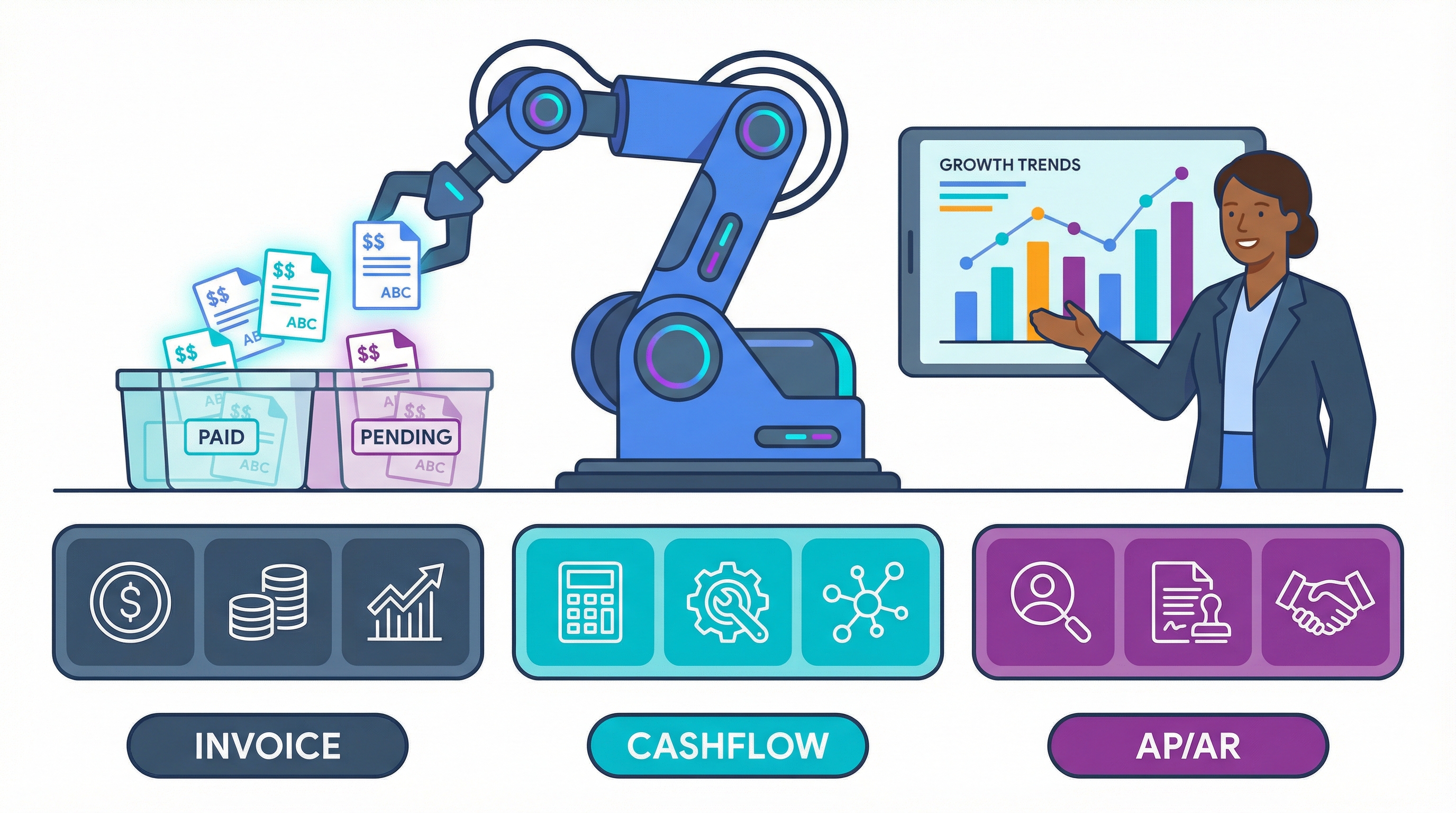
Key 5 RPA Use Cases for Immediate Impact
Intelligent Automation is proving its value across numerous financial functions. While a comprehensive list is extensive, here are five core areas where RPA delivers immediate, tangible benefits, directly addressing critical business needs and accelerating strategic goals for finance teams: *
Financial Close Acceleration:Dramatically reducing the time and effort spent on month-end close by automating reconciliations, journal entries, and data consolidation. *
Accounts Payable Automation:Revolutionizing invoice processing, three-way matching, and exception handling for improved cash flow and vendor relations. *
Compliance & Audit Streamlining:Ensuring consistent application of regulations, continuous monitoring, and creation of immutable audit trails for KYC, AML, and other regulatory requirements. *
FP&A Data Aggregation:Freeing up finance analysts from tedious data collection across disparate systems, allowing them to focus on high-value analysis and strategic forecasting. *
Treasury Cash Management:Providing real-time, consolidated views of global cash positions and automating routine FX and investment operations for optimized liquidity. ---

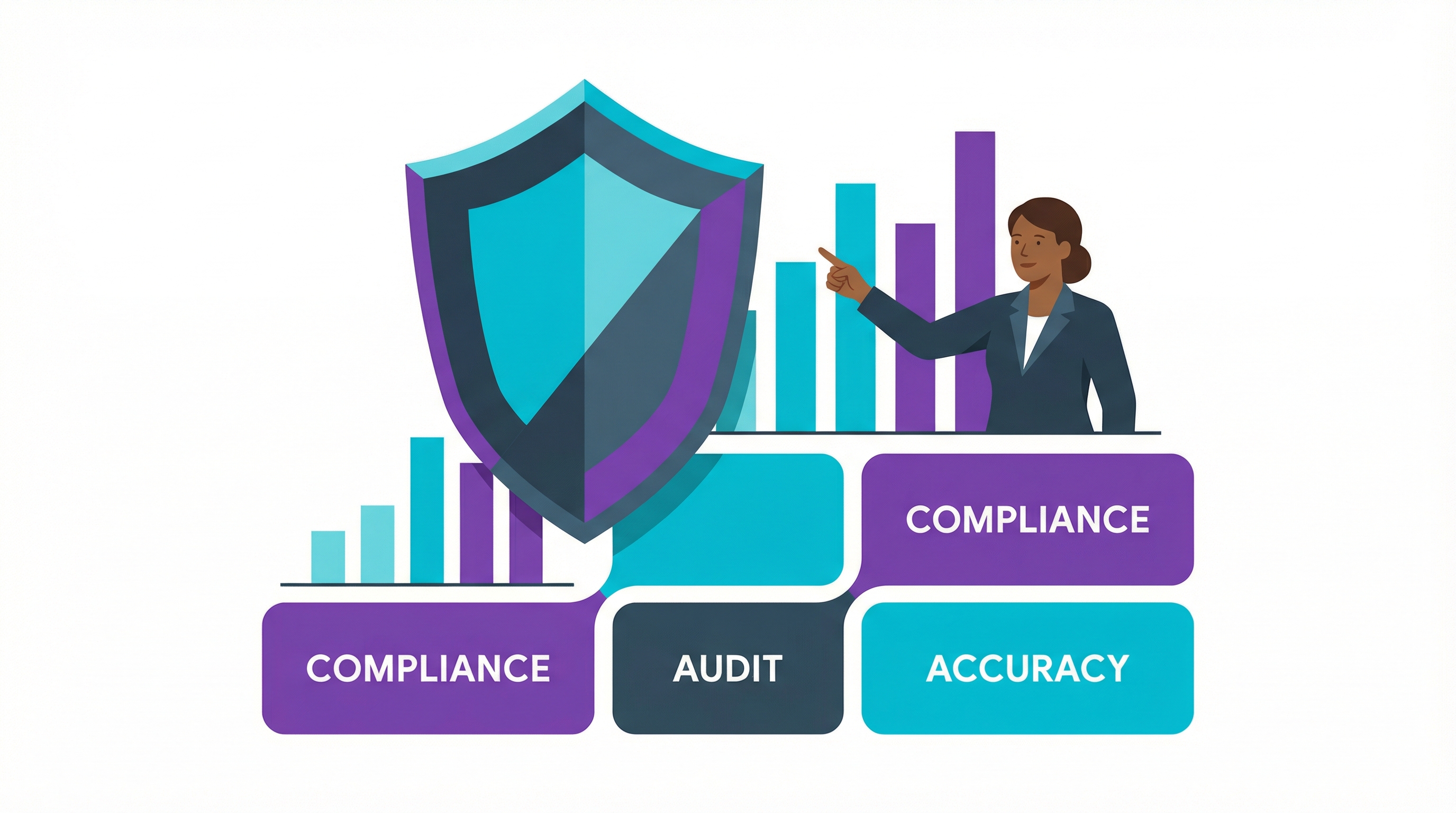
Fortifying Compliance: A Critical Use Case for Automation in Finance
In the heavily regulated landscape of 2026, maintaining strict financial compliance is non-negotiable. The risk of human error, inconsistent application of rules, and lapses in oversight can lead to severe penalties and reputational damage. Intelligent Automation has become an indispensable tool for mitigating these risks. RPA creates
immutable, detailed audit trailsfor every action it performs, providing regulators with a crystal-clear record of all automated processes. More importantly, bots apply compliance rules with 100% consistency, 24/7, eliminating the variability and fatigue that can lead to manual errors. This systematic approach significantly reduces an organization's institutional risk profile.
Achieving 99.8% Accuracy with Compliance Automation in Finance
The effectiveness of automation in compliance is staggering. A
2025 Forrester analysisfound that bots performing Know Your Customer (KYC) and Anti-Money Laundering (AML) tasks achieve
99.8% accuracy. This same analysis revealed these bots reduce the manual review workload for compliance teams by up to 85% (
Forrester Analysis). Specific compliance tasks transformed by IA include: *
Customer Onboarding (KYC):During onboarding, bots automatically take new customer information and cross-reference it in real-time against dozens of global watchlists, sanctions lists, and databases of Politically Exposed Persons (PEPs), flagging any potential matches for human review in seconds. *
Transaction Monitoring (AML):Rather than performing retroactive analysis, intelligent bots monitor transactions as they happen. They use complex, pre-defined rule sets to identify suspicious activity—such as transactions structured to avoid reporting thresholds—and immediately create a case for a human investigator to examine. ---
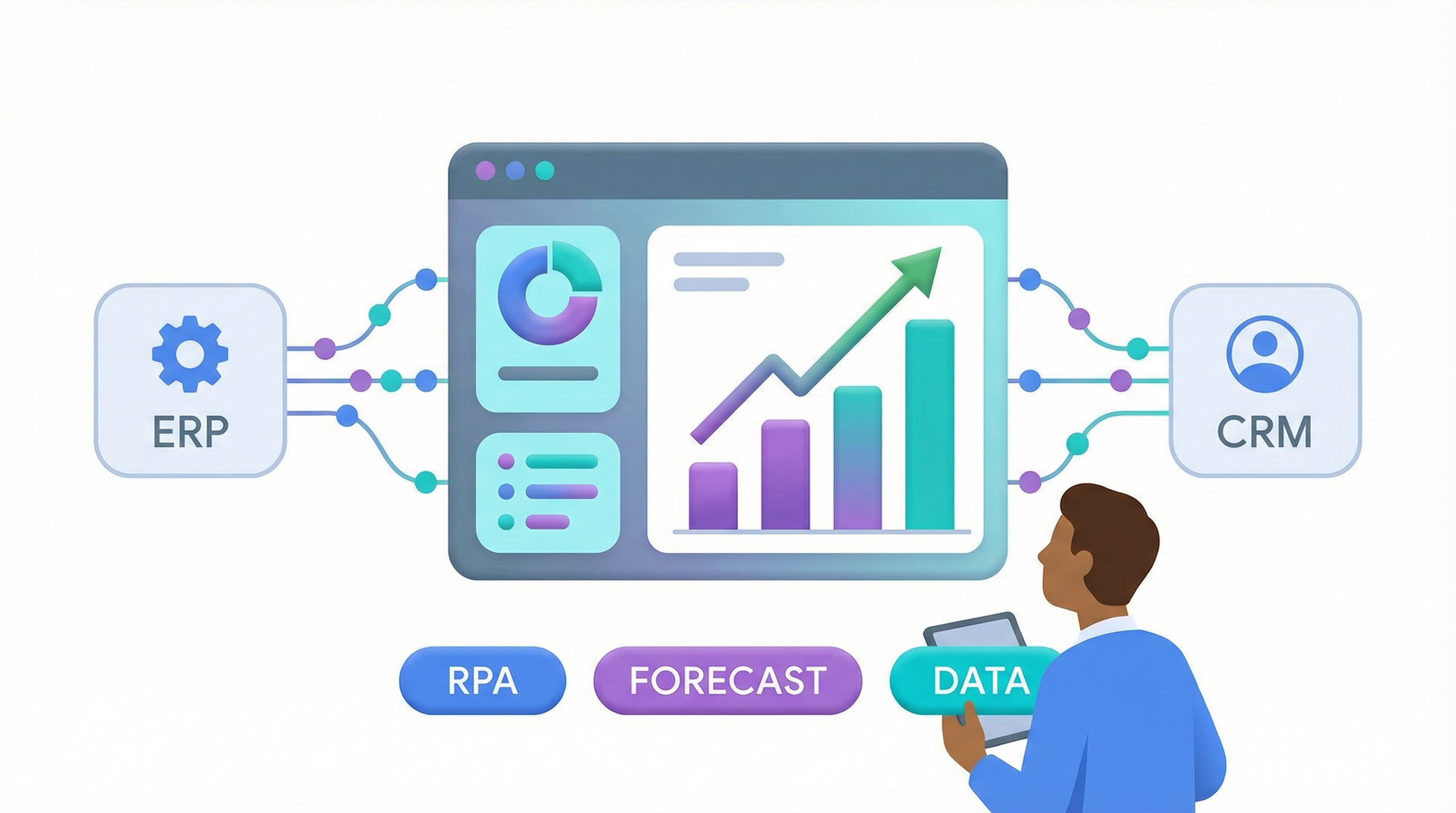
Accelerating FP&A Reporting: Strategic Financial Planning RPA Use Cases
The FP&A team is the strategic heart of the finance department, yet historically, its highly skilled analysts spent the majority of their time on low-value data gathering and consolidation. RPA has liberated these professionals from manual drudgery, allowing them to focus exclusively on high-value analysis, strategic forecasting, and business partnering.
Using RPA to Automate Data Aggregation for Financial Forecasts
The first step in any analysis is collecting the data, a task now perfectly suited for RPA. * Bots are programmed to automatically log into various enterprise systems—including the ERP, CRM, HRIS, and external market data platforms—on a set schedule. * They precisely extract actuals, budget data, sales forecasts, and other relevant information. * The bots then clean, format, and consolidate this data into a unified, analysis-ready dataset, which can then be used to generate comprehensive
financial statements, completely eliminating the tedious and error-prone "spreadsheet jockey" work that once consumed the FP&A calendar.
Streamlining Variance and Scenario Analysis with RPA in Finance
With clean, consolidated data readily available, bots can also perform the initial stages of analysis. * RPA automatically prepares and distributes standard budget vs. actual (BvA) variance reports to department heads at the beginning of each reporting cycle. * For forward-looking activities, bots are invaluable in scenario planning. An analyst can define multiple models with different assumptions (e.g., shifts in interest rates, changes in sales volume, or supply chain disruptions), and the bot will run all the calculations, providing a comprehensive range of potential outcomes for strategic review. This allows teams to
save timeon manual tasks, focusing on value-add insights. ---
Advanced RPA in Treasury: A Use Case for Cash Flow Management
The corporate treasury function operates on speed and accuracy. Managing corporate liquidity, mitigating financial risks, and optimizing capital requires a real-time, global view of cash—something that was incredibly difficult to achieve manually. Intelligent Automation now provides treasury teams with unprecedented visibility and control.
Using RPA for Real-Time Cash Positioning and Cash Flow Forecasting
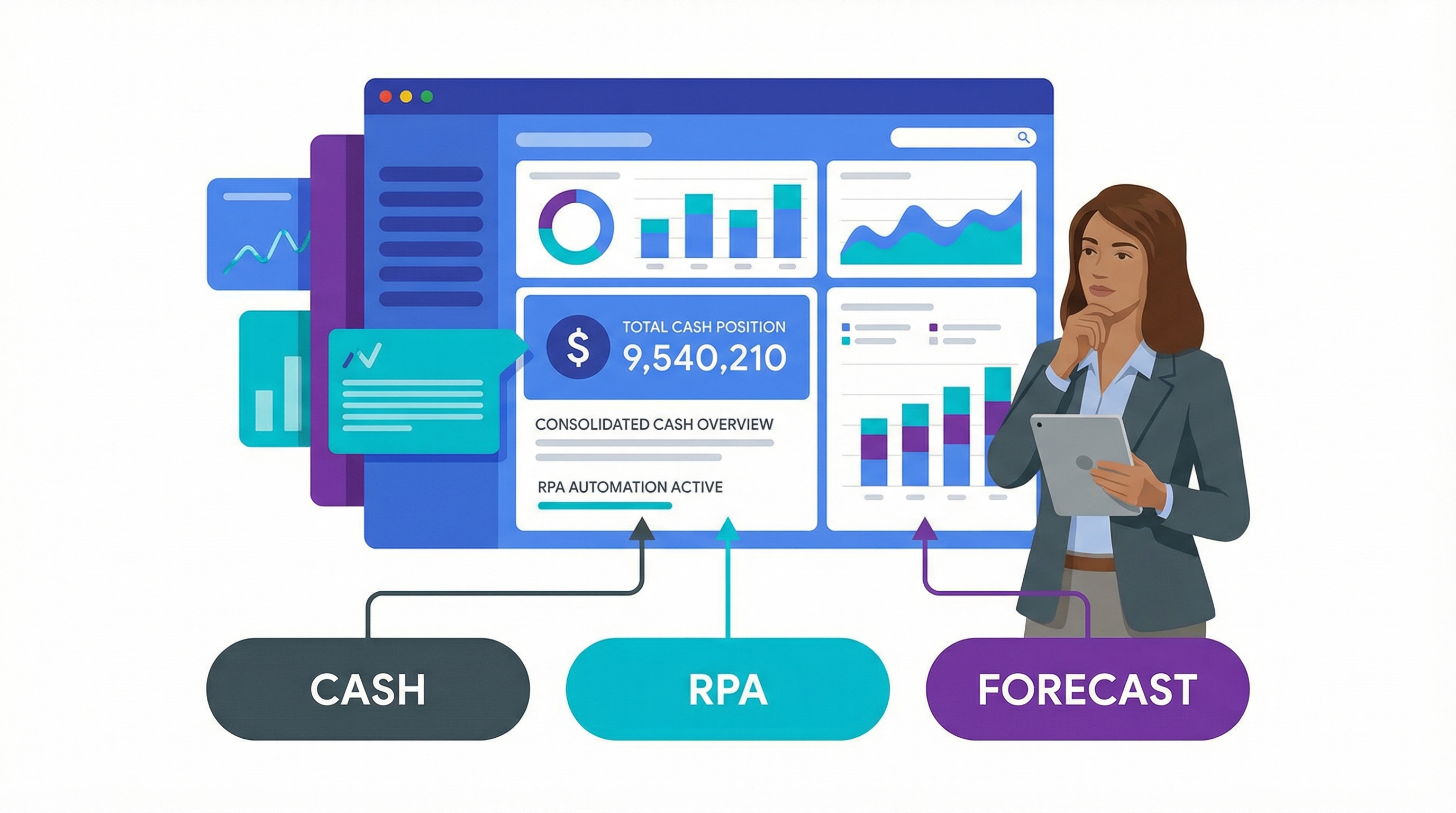
A treasurer's most fundamental question—"How much cash do we have and where is it?"—is now answered instantly. * RPA bots are scheduled to log into multiple bank portals across different countries and financial institutions throughout the day. * They aggregate all cash balance information, converting currencies as needed, and present a single, consolidated view of the company's daily cash position. * This real-time visibility enables smarter, faster decisions regarding short-term investments, debt repayment, and funding needs.
Automating FX and Investment Operations with RPA
Beyond cash visibility, bots are also executing key treasury operations. * Intelligent bots can be programmed to constantly monitor foreign exchange (FX) rates. When a rate crosses a pre-defined threshold that aligns with the company's hedging strategy, the bot can automatically execute a trade. * These
RPA use cases in financealso extend to automating the tracking, reconciliation, and reporting of the company's investment portfolio performance, ensuring data is always accurate and up-to-date. ---
Automating Expense Reports: An Essential Finance and Accounting Use Case
The employee expense management process has long been a source of frustration for employees and a control challenge for finance. Intelligent Automation streamlines the entire workflow, from submission to reimbursement, making it faster, more accurate, and far more compliant.
Using RPA for Touchless Expense Submission and Verification
The process now begins with a simple photo. * Employees snap a picture of a receipt, and bots with advanced OCR capabilities instantly extract key data points: the vendor, date, amount, tax, and expense category. * This data is used to automatically pre-populate the expense report in the system. The employee's only task is to quickly review the pre-filled report for accuracy and click "submit." This dramatically reduces the time and effort required to file expenses.
AI-Powered Policy Auditing: A Core Automation Use Case
Perhaps the biggest transformation is in the audit process. Manual audits could only ever review a small sample of reports, leaving significant room for non-compliant spending to go unnoticed. * Intelligent bots audit
100% of expense reportsagainst corporate T&E policies in real-time. This level of scrutiny is impossible to achieve manually. * The bot instantly flags any non-compliant items—such as a meal exceeding the daily per-diem, the purchase of alcohol on a non-approved occasion, or a hotel booking made outside the corporate travel tool—and routes them to a manager for review before reimbursement. ---

Payroll Automation with RPA
Automating the
payrollprocess is another transformative RPA use case in finance. From data collection to compliance, RPA ensures that employee compensation is managed with unparalleled accuracy and efficiency. Bots can gather time-sheet data, calculate wages, deductions, and taxes, and even initiate payments while maintaining full audit trails. This not only reduces errors but also frees up HR and finance personnel to focus on more strategic initiatives. ---

Frequently Asked Questions (FAQ) about RPA in Finance
Q1: What is the main difference between standard RPA and Intelligent Automation in finance for 2026?
Answer:Standard RPA follows explicit, pre-programmed rules, essentially mimicking human clicks and keystrokes (e.g., "copy data from cell A1 in this spreadsheet to field B1 in the ERP"). It works best with structured data and unchanging processes. Intelligent Automation, which is the standard for
RPA in financein 2026, combines RPA with AI and ML to handle unstructured data and make simple, context-based judgments. For example, an IA bot can understand the context of a vendor invoice to extract the correct data, even if the format changes, or perform an initial analysis on a financial variance before escalating it to a human.
Q2: What are the primary risks of implementing RPA and how can we mitigate them?
Answer:The key risks include poor process selection (automating an inefficient or broken process simply codifies the problem), a lack of centralized governance leading to "shadow IT," and system changes breaking the bots. Mitigation in 2026 is sophisticated and involves establishing a Center of Excellence (CoE) to govern standards and best practices. Organizations use advanced process and task mining tools to identify the best-fit candidates for automation. Finally, developers build resilient bots that use robust API integrations where possible, rather than fragile screen scraping, and include comprehensive error-handling and notification routines.
Q3: How has RPA impacted the roles of finance professionals?
Answer:By 2026, RPA has successfully eliminated the most tedious, repetitive, and low-value parts of finance roles. Accountants are no longer data entry clerks; they are evolving into "bot controllers" and data analysts, managing and supervising fleets of
digital workersand analyzing the exceptions they flag. FP&A professionals spend significantly less time on data aggregation and more time on strategic modeling, forecasting, and business partnering. The focus for the entire finance function has shifted from "what happened" to "what's next and why," making their roles more strategic and fulfilling. ---
The Future is Now: A Summary of the Top RPA Use Cases in Finance
As we've seen, the
RPA use cases in finance for 2026extend far beyond simple task automation. They represent a fundamental rewiring of financial operations, powered by intelligent systems that enhance speed, accuracy, and strategic insight. This is the new benchmark for high-performing finance functions. From slashing the month-end close and improving working capital to fortifying compliance with near-perfect accuracy, Intelligent Automation is the bedrock of the modern, strategic finance function. It delivers tangible, measurable results across every core financial process. Organizations that embrace these advanced automation capabilities are not just optimizing processes; they are building a durable competitive advantage. For deeper insights into leveraging AI for strategic growth, consider exploring
AI strategy consulting. They are empowering their finance teams to move beyond reporting the past and start actively shaping the future growth and profitability of the enterprise.

Author Block