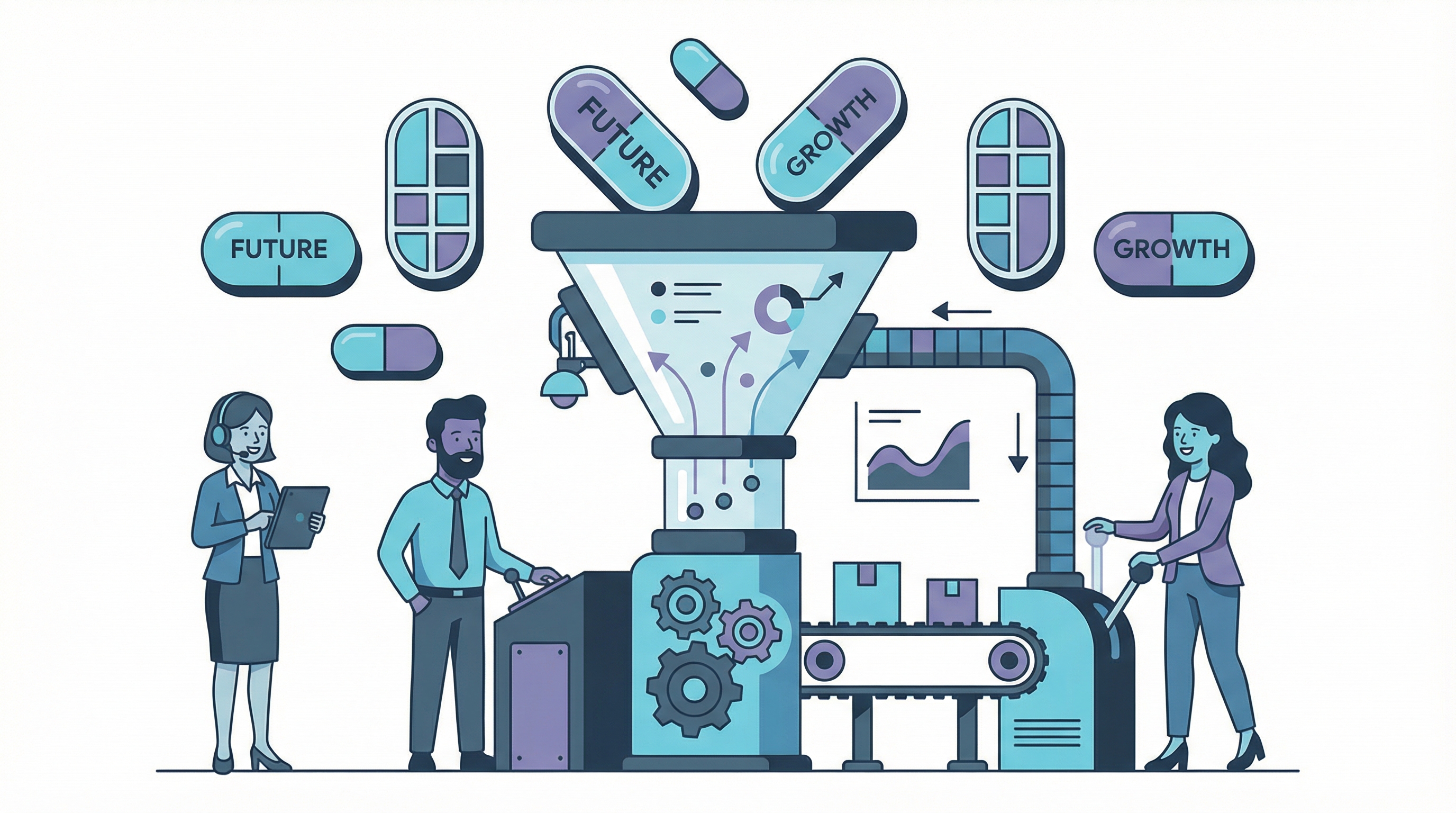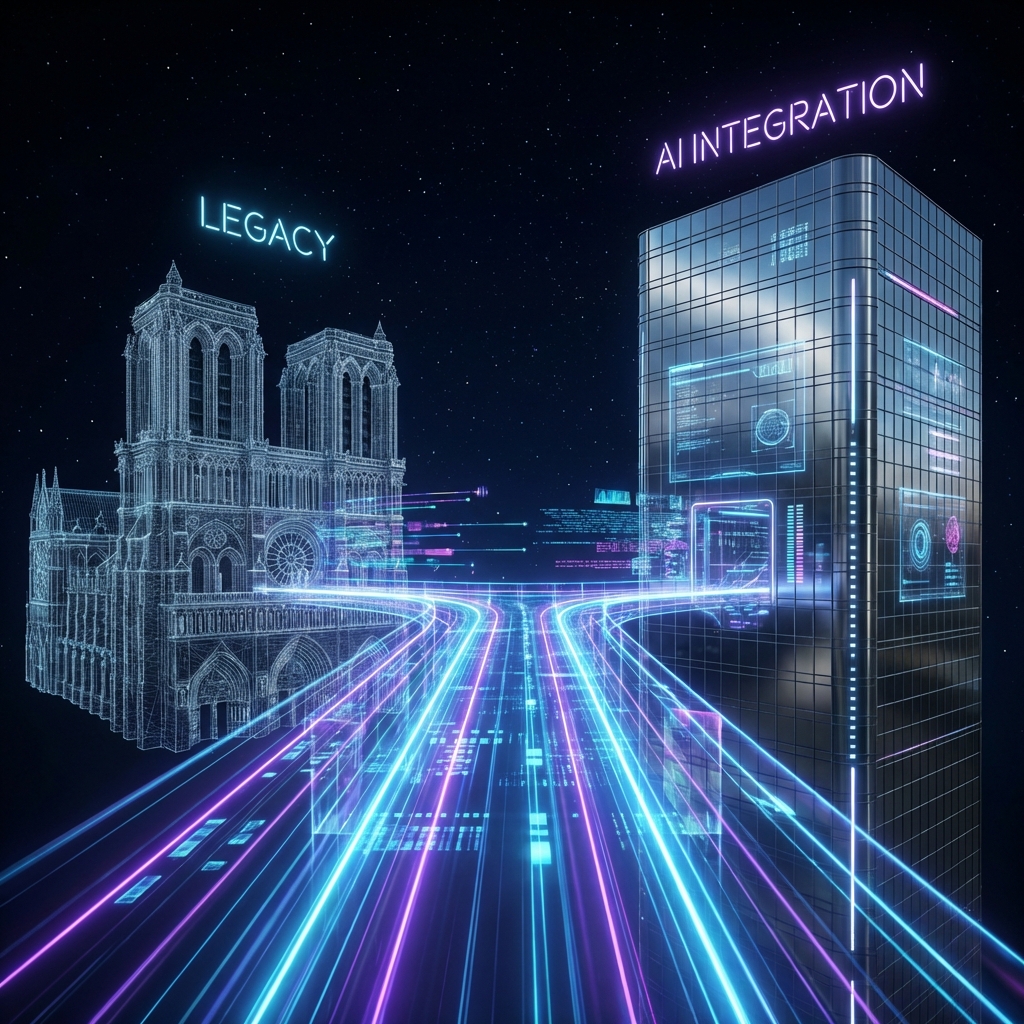
Welcome to the year 2026, where the marketplace moves at the speed of light and the traditional "salesperson" has been redefined. Today, the reality of the sales funnel is stark: AI agents use boost conversions techniques to negotiate with AI buyers, and the gap between lead generation and closed-won is measured in minutes, not days. If your organization is still waiting 24 hours to respond to a query, you aren't just late; you are invisible.

Building a robust sales funnel requires more than just ads; it requires a deep understanding of how each stage of the funnel interacts with user intent. Every sales funnel is unique, but a high-performing sales funnel leverages data to ensure the sales funnel never leaks. If your sales funnel is not optimized, you risk losing leads. A modern sales funnel is dynamic, allowing a sales funnel to adapt in real-time.
The concept of sales funnel auto mation has undergone a radical transformation. In the 2023 era, we were impressed by simple email drips and basic CRM triggers. In 2026, we have moved into the realm of complex, agentic workflows and marketing automation tools that provide hyper-personalized, "synthetic" experiences. This is the era of the autonomous funnel—a system that senses intent, creates its own content, and manages the entire buyer journey with minimal human intervention.
Achieving a high conversion is the primary goal of any digital strategy. Every micro-conversion contributes to the final macro-conversion. By tracking each conversion, you can identify which conversion point is failing and deploy strategies to boost conversions across the board. Consistent conversion optimization ensures a steady conversion stream. Without a focus on conversion, traffic is meaningless.
In this high-stakes environment, automation is no longer an "efficiency play"; it is a survival requirement. This guide explores how sophisticated organizations are leveraging Generative AI, Digital Sales Rooms (DSRs), and synthetic content to capture their share of a massive $1.5 trillion economic shift. We will provide a roadmap of the strategies, tools, and economic data defining the automated sales landscape of 2026, ensuring your business stays ahead of the curve.
Offering a free trial or a free audit is a classic way to lower the barrier to entry. Many users expect a free sample of the value you provide. When you offer something free, you build trust. A free resource acts as a hook to capture leads effectively. Using free content can drive massive traffic, making the free offer a cornerstone of your strategy.
The Evolution of the Automated Sales Funnel and Stages of a Sales Funnel in a Digital-First World
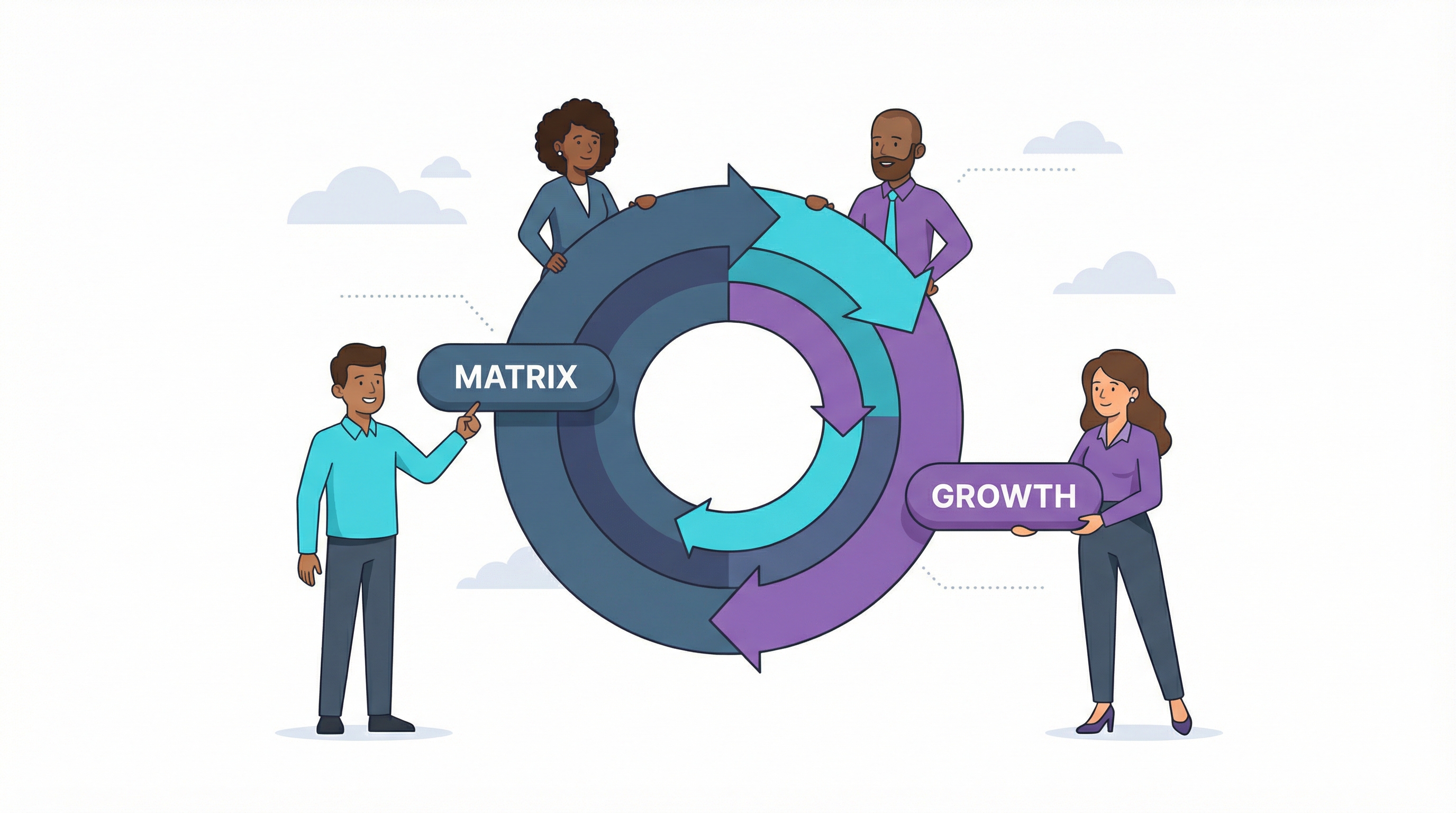
The linear funnel—Awareness, Interest, Desire, Action—is officially a relic of the past, as the awareness stage is now governed by predictive intent. In 2026, the sales funnel has morphed into a "Customer Matrix." This is a continuous loop of automated touchpoints where the buyer may enter, exit, and re-enter at any stage, guided by AI that remembers every interaction across every device. In 2026, the sales process is no longer a straight line; it is a matrix where the sales process adapts to the buyer's pace.
Effective marketing automation streamlines the path from prospect to customer. With marketing automation, you can scale your efforts effortlessly. Modern marketing automation platforms use AI to predict behavior. Integrating marketing automation with your CRM creates a unified view, often powered by sophisticated marketing automation software. Marketing automation is essential for 2026 growth.
This shift is driven by a fundamental change in buyer behavior. According to research on the future of sales, 80% of B2B sales interactions between suppliers and buyers now occur in digital channels. Source . This trend, which solidified in 2025, has become the global standard in 2026. Modern buyers are "self-service first." They demand funnels where automation handles product education, complex pricing tiers, and initial vetting without ever needing to speak to a human representative.
The power of a consistent followup cannot be overstated. A quick followup keeps your brand top-of-mind. Automated followup ensures no lead is forgotten. Your followup strategy should be personalized. Without a solid followup, potential deals slip through the cracks.
Furthermore, we are witnessing the rise of the "Invisible Funnel." Thanks to advanced tracking pixels, sophisticated intent data, and cross-platform AI integration, the sales process often begins long before a prospect fills out a form. AI agents now analyze "dark social" signals and anonymous web traffic to predict which accounts are in a buying window. The ability to perform lead nurturing automatically ensures a full pipeline of qualified leads ; when you nurture leads with precision, close rates climb. By the time a lead identifies themselves, they have often already been "nurtured" by dozens of invisible, automated impressions tailored to their specific pain points.
To successfully nurture a relationship, you must provide value over time. Every nurture touchpoint should be relevant. A well-designed nurture sequence educates the buyer. When you nurture prospects effectively, they are more likely to buy. Automated systems help you nurture at scale.
To navigate this matrix, companies are increasingly turning to AI Strategy Consulting to map out these complex digital journeys. The goal is no longer just to "move" a lead through a pipe, but to surround them with an ecosystem of helpful, automated responses that make the purchase feel like the only logical conclusion.
Economic Impact: Boosting Sales and Why Sales Funnel Automation Drives Leads
The shift toward total funnel automation is backed by staggering economic data. We are currently in the midst of a global macro-economic pivot where AI-driven productivity is the primary differentiator between market leaders and laggards. Organizations that have failed to embrace sales funnel auto mation are effectively paying a "manual labor tax," incurring overhead costs that make their pricing uncompetitive and their response times sluggish, especially in environments where automated sales processes have become the industry benchmark. Shortening the sales cycle is a primary benefit of AI, as a shorter sales cycle improves cash flow.
Monitoring your conversion rate allows for data-driven adjustments. A higher conversion rate directly impacts your bottom line. We analyze every conversion rate metric to find bottlenecks. Improving the conversion rate is a continuous process.
Recent economic analysis shows that Generative AI automation is adding between $1.1 trillion and $1.5 trillion annually to the global economy within the Sales and Marketing functions alone. Reference . This isn't just a theoretical number; it represents the real-world value of several key factors:
- Reduced Overhead: AI agents handle the repetitive tasks of prospecting and initial outreach that previously required massive SDR teams.
- Hyper-Scaling: Automation allows for infinite scaling of personalized outreach. A system can send 10,000 unique, research-backed emails in the time it takes a human to write one.
- Precision Conversion: Predictive algorithms ensure that marketing spend is only directed toward leads with a high probability of closing, drastically reducing wasted "mar" (marketing) budgets.
Your sales team should focus on high-value interactions. By empowering the sales team with AI, they become more efficient. A modern sales team collaborates with automated agents. The best sales team uses data to prioritize accounts.
In 2026, capturing this value is the difference between profitability and obsolescence. When your competitors are using workflow automation to handle 90% of their pipeline management, your manual processes become a liability that drains your margins and frustrates your prospects.
Automate Awareness: Marketing Automation and Synthetic Outreach
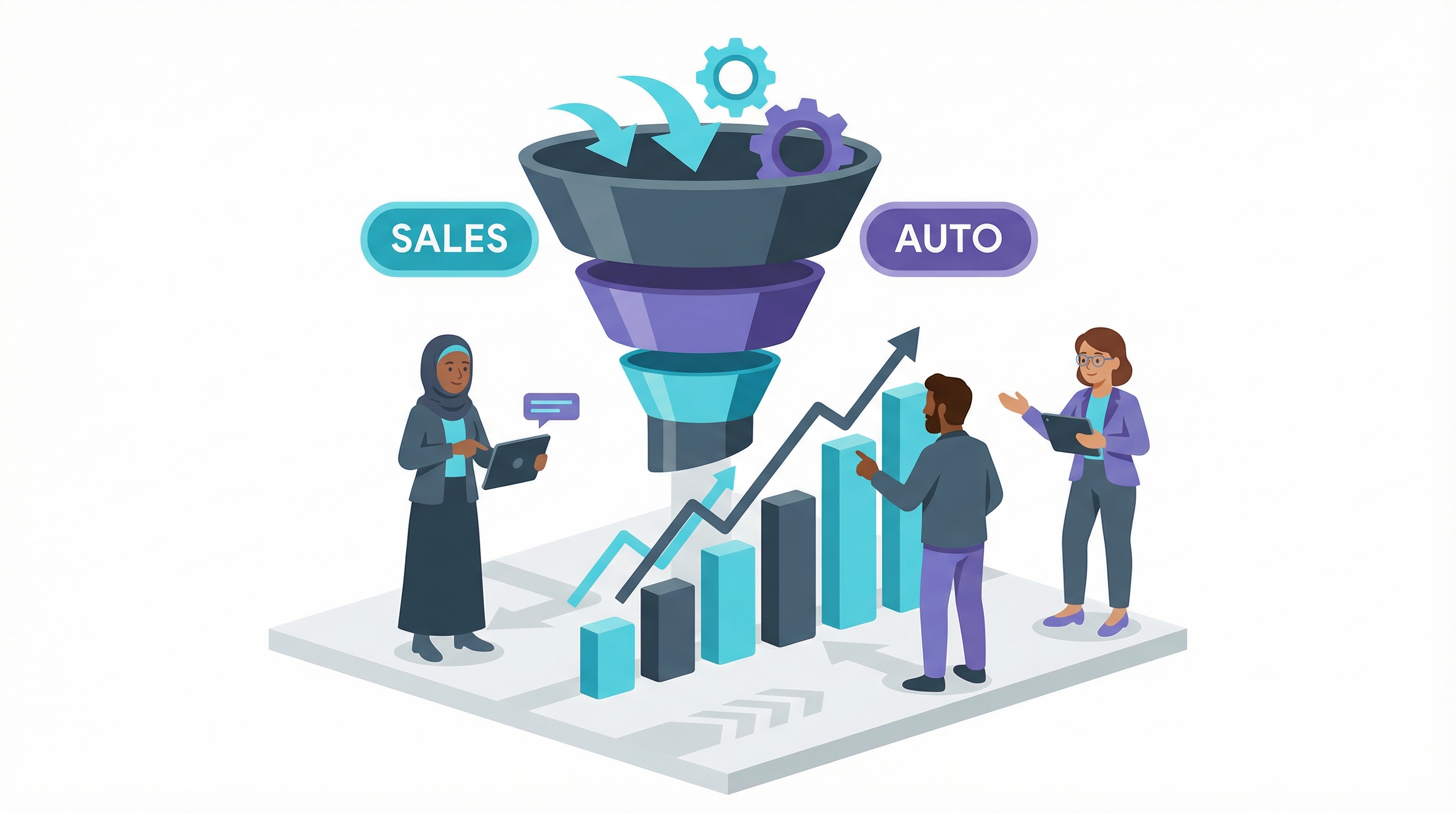
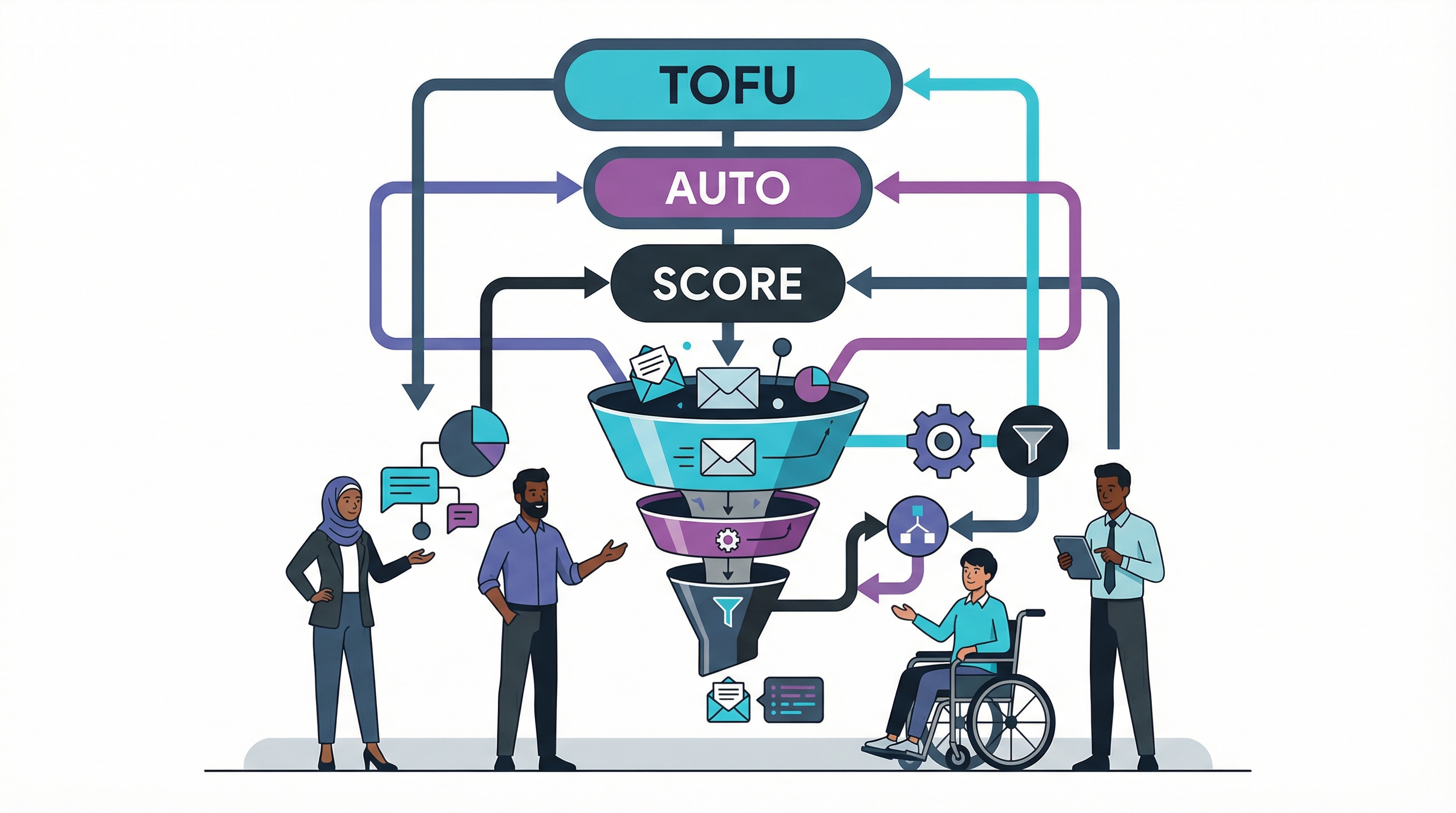
Top-of-Funnel (ToFu) activities have been completely reinvented to dominate the top of the funnel through automated intelligence. In 2026, filling the funnel no longer requires teams of people making cold calls or manually scouring LinkedIn. Instead, we have entered the era of "Synthetic Outreach." This system triggers an automated email the moment intent is detected, ensuring the automated email reaches the prospect while they are active.
An automated sales funnel removes manual friction. Once an automated sales funnel is set up, it runs 24/7. Building an automated sales funnel is a strategic investment.
A significant trend identified by industry analysts shows that 30% of outward-facing marketing and sales messages from large organizations are now synthetically generated. Study . This is a massive jump from less than 2% just four years ago. Organizations now run global email campaigns via these systems. Furthermore, these automated email campaigns utilize dynamic content generation, but "synthetic" in 2026 means much more than just text-based email automation .
Implementing lead scoring helps identify hot prospects. With lead scoring, you can prioritize follow-ups. Accurate lead scoring reduces wasted time for reps.
Modern synthetic outreach includes:
- AI-Generated Video Avatars: Personalized video messages where an AI "twin" of your sales rep addresses the prospect by name and mentions their specific recent company news.
- Dynamic Landing Pages: Websites that rewrite their own headlines, case studies, and hero images in real-time based on the industry and intent data of the visitor.
- Personalized Audio: Synthetic voice notes sent via social platforms that sound indistinguishable from a human recording.
Using Agents to Create an Automated Prospecting Flow
The backbone of this stage is the deployment of AI Agents . These digital workers are programmed to scrape vast amounts of public and private data to identify high-fit leads. Once a lead is identified, the agent doesn't just send a template; it researches the lead’s latest podcast appearance or annual report, crafts a unique value proposition, and initiates a conversation that easily passes the Turing test. This is lead generation on autopilot, a core component of modern sales automation.
Guardrails When You Automate Content Generation
While the scale of synthetic content is powerful, maintaining brand authenticity is vital. In 2026, leading firms use "Brand Constellation" models—AI guardrails that ensure every synthetically generated message adheres to the company’s tone, legal requirements, and ethical standards. You want the efficiency of an algorithm with the soul of your brand.
Enhancing the Marketing Funnel: Reclaiming Time Through Automation
A common misconception in 2026 is that automation replaces humans entirely. In reality, the most successful companies utilize a "Human-AI Hybrid" model. The goal of automating the sales funnel is to strip away the "robotic" tasks from humans so they can focus on what they do best: building deep, emotional connections. While some think email marketing is dead, modern email marketing automation is actually more personalized than ever.
In-depth analytics reveal the true health of your pipeline. Use analytics to track performance across channels. Real-time analytics enable rapid pivoting.
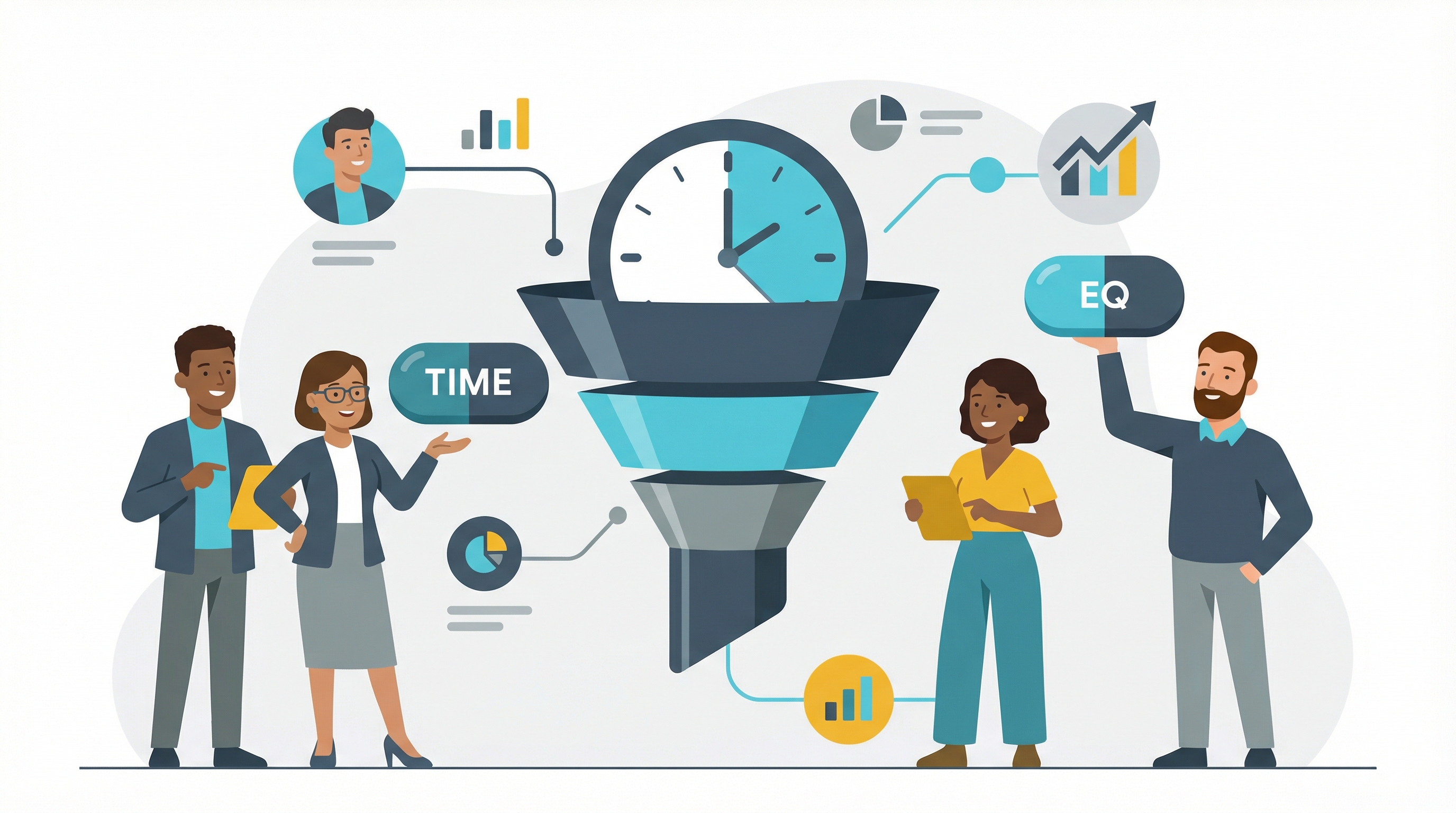
The efficiency gains are undeniable. Sales professionals utilizing AI and automation for manual tasks save an average of 2 hours and 16 minutes per day . Source . In the context of a 2026 work week, that’s over 11 hours reclaimed.
However, in 2026, this "saved time" isn't spent on administrative data entry or more email automation setup. It is strictly reallocated to "High-EQ" activities:
- Complex Negotiation: Navigating the political nuances of a multi-stakeholder enterprise deal.
- Creative Problem Solving: Architecting custom solutions that go beyond standard product features.
- Relationship Deepening: Strategic account management and high-level consulting that builds long-term trust, allowing sales reps to focus on the human element.
A compelling lead magnet captures high-quality contact info. Your lead magnet should solve a specific problem. A high-value lead magnet is the first step in the journey.
Automated Scoring to Boost Leads and Sales
To ensure humans only step in when necessary, mid-funnel automation now uses predictive AI for lead scoring. These systems analyze thousands of data points—from the length of time spent on a pricing page to the sentiment of a chatbot interaction. Only when "buying intent" signals hit a specific threshold (e.g., 90%) does the system alert a human rep, using automated workflows to deliver a full dossier of the lead's automated journey to date.
Self-Service Rooms and Sales Funnel Automation for Closing
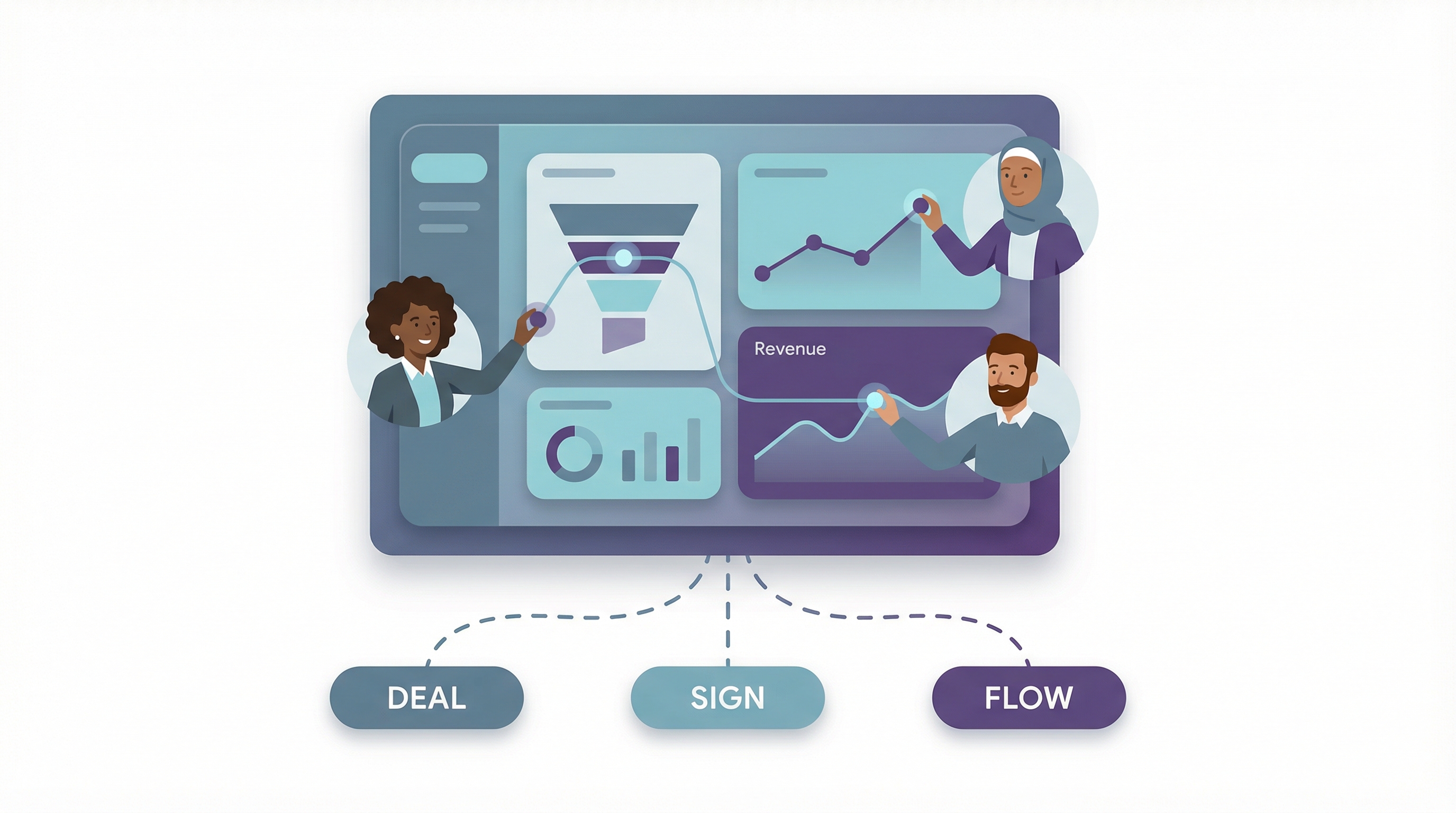
The Bottom-of-Funnel (BoFu) experience in 2026 has seen the "Death of the PDF Proposal." Static documents are considered archaic and frustrating. Today, the closing process happens within Digital Sales Rooms (DSRs) , which are the hallmark of an effective sales funnel.
Understanding How the Funnel Works in 2026
A DSR is a secure, personalized microsite generated automatically for each prospect. It serves as a single source of truth for the entire deal. Within these rooms, automation handles:
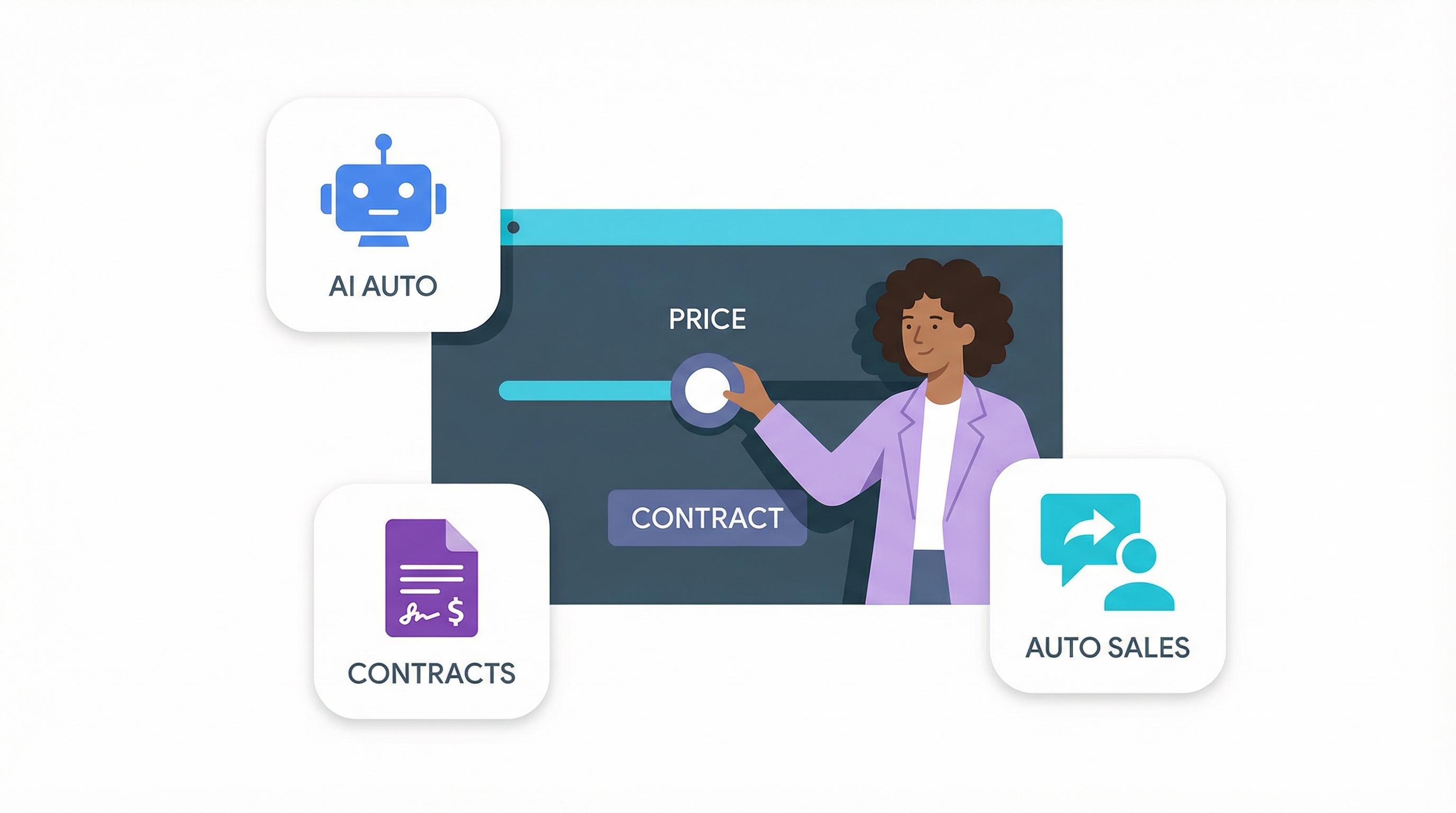
- Dynamic Pricing: Calculators that allow buyers to adjust seat counts or feature sets and see real-time price changes.
- AI Legal/Security Bots: Embedded conversational AI that can answer technical security questions or explain contract clauses 24/7, removing the "wait time" for legal departments.
- Automated Contract Generation: Once terms are agreed upon, the contract is instantly generated and sent for e-signature.
Automate the Close with Trigger-Based Sequences
Automation at the bottom of the funnel is highly reactive. If a stakeholder re-opens the pricing page for the fifth time in an hour, the system can automatically trigger a "nudging" sequence with follow-ups based on specific behavioral cues. A triggered email sequence can handle complex objections, while a secondary email sequence keeps dormant leads engaged. Companies that automate follow-ups see a significant decrease in churn. This level of responsiveness ensures that momentum is never lost during the most critical phase of the deal.
Essential Tools for Creating an Automated Sales Funnel in 2026
To execute an autonomous sales funnel , your tech stack must be integrated and intelligent. The era of siloed tools is over; in 2026, we focus on ecosystems. Selecting the right automation tools is critical, as these automation tools form the architecture of your growth. By incorporating AI integration , companies can sync data across all platforms, including every landing page interaction.
CRM with Native Marketing Automation AI
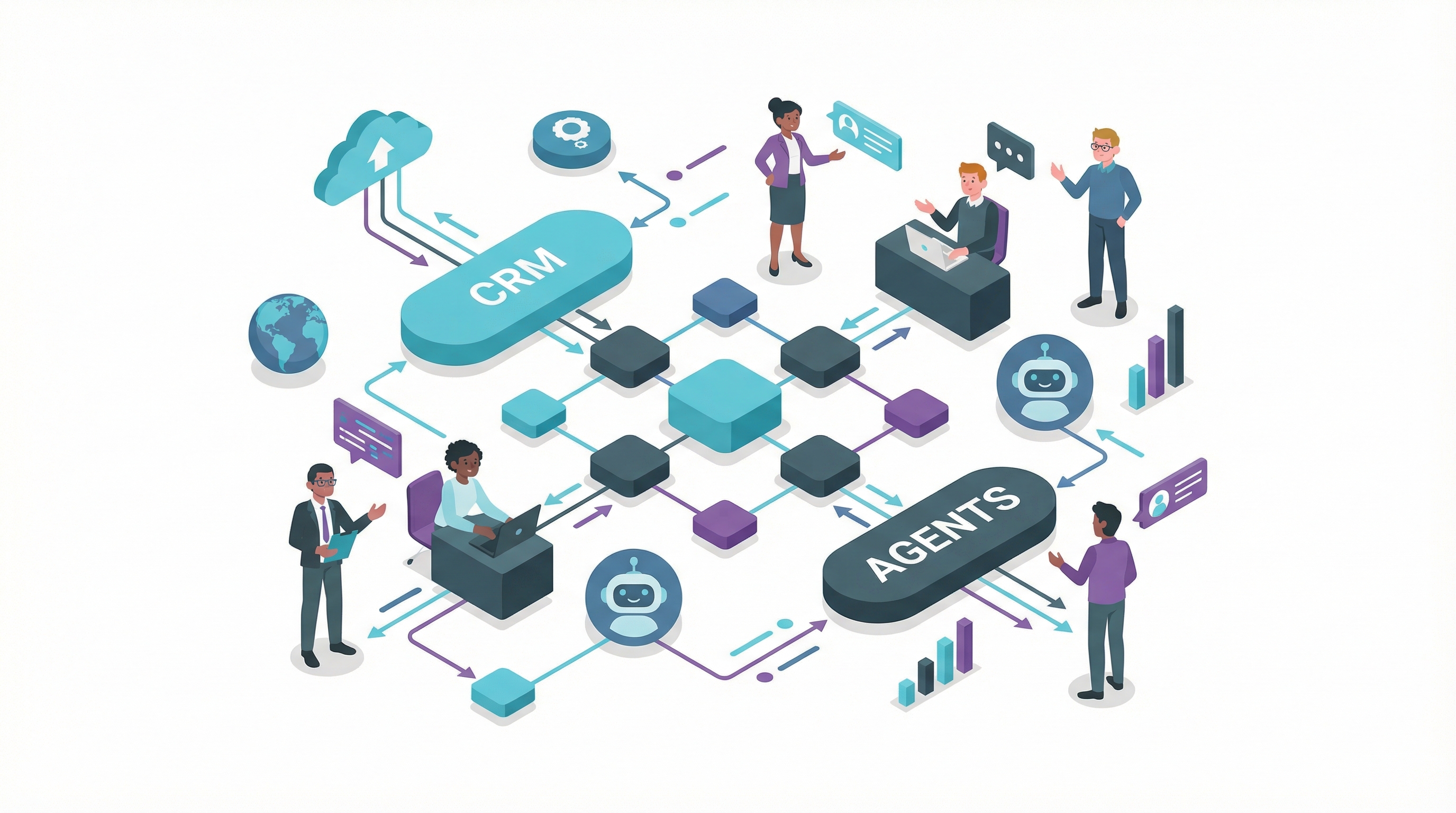
Your CRM is no longer just a database; it is an active participant. Modern CRMs automatically record calls, summarize them, update pipeline stages, and even draft the follow-up emails for the rep. If your CRM doesn't have "native agency," it’s just a digital filing cabinet.
Agentic Platforms for the Automated Sales Funnel
These are the meta-tools of 2026. They allow you to chain multiple specialized AI agents together. For example: Agent A monitors LinkedIn for job changes; Agent B researches the new hire's previous successes; and Agent C crafts a personalized outreach video. These platforms orchestrate the entire symphony of your sales funnel auto mation.
Conversational Intelligence to Automate Insights
Real-time coaching tools now listen to live sales calls (with permission) and provide the rep with "whisper" coaching—suggesting rebuttals to objections or surfacing relevant case studies instantly. Post-call, they automate the transcript-to-action-item pipeline, ensuring nothing falls through the cracks.
Strategy Framework for Sales Funnel Automation
Transitioning to an autonomous sales funnel requires a structured approach. You cannot automate a broken process; you must first optimize for the digital age. Mapping the customer journey allows for better resource allocation, ensuring the customer journey feels seamless.
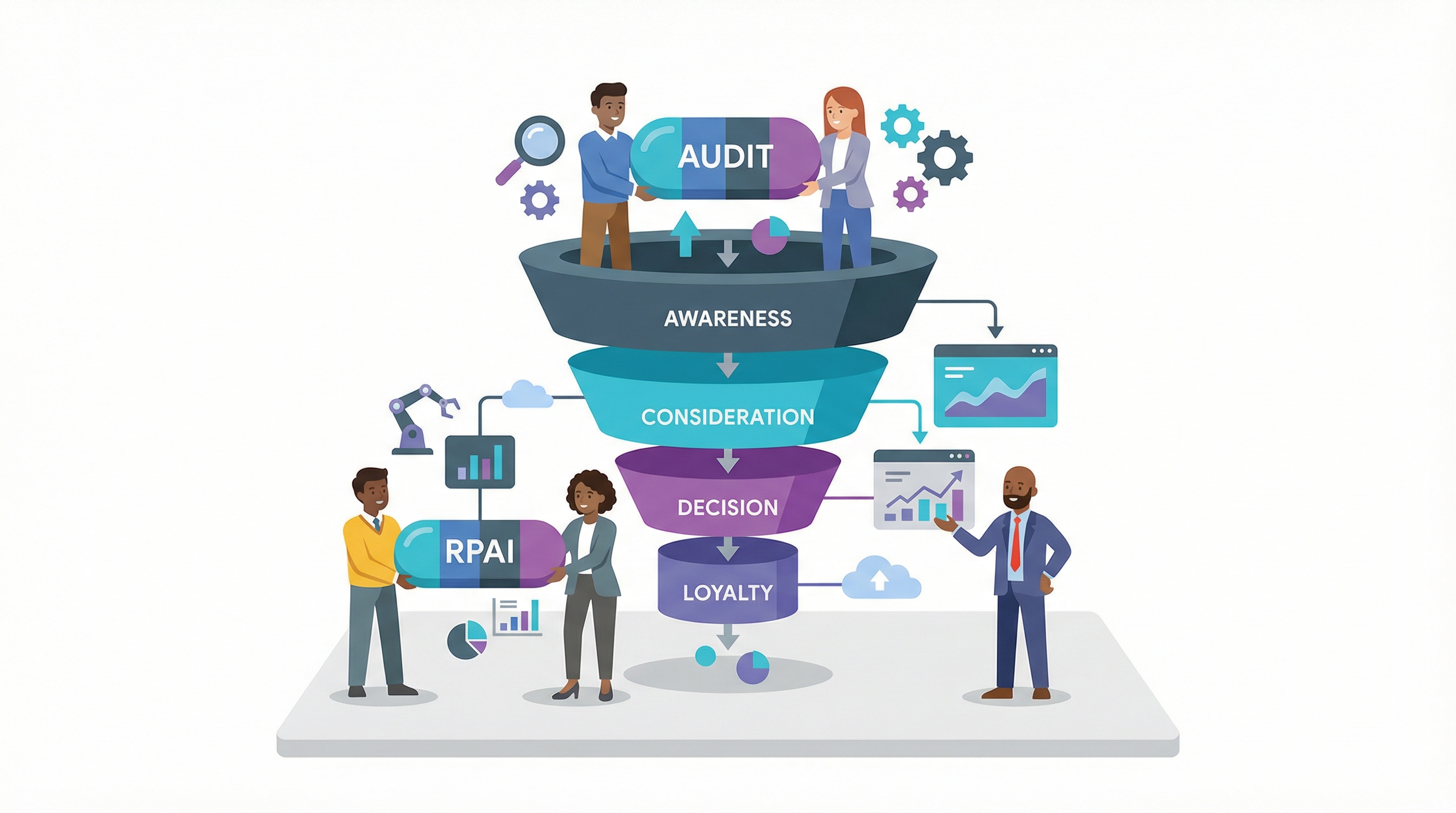
- Phase 1: Audit and Map: Identify every friction point where a human is performing a repetitive task. Map the "Buyer's Journey" from their perspective, not yours.
- Phase 2: The Pilot Program: Start by automating one specific vertical or lead source (e.g., all inbound web inquiries). Use robotic process automation to handle the data transfer between your mar keting tools and your CRM.
- Phase 3: The Feedback Loop: Use AI to perform "Win/Loss Analysis" at scale. The system should analyze why deals were lost and automatically update nurturing content to address those specific objections for future prospects.
In 2026, the primary metric of success has shifted. We no longer just look at "Open Rates" or "Click-Through Rates." We measure Revenue Per Automated Interaction (RPAI) . This tells you exactly how much value your autonomous systems are generating compared to the cost of the compute and licenses.
Balancing Marketing Funnel Automation with Ethical Selling
As we push the boundaries of sales funnel auto mation, we must be wary of the "Uncanny Valley of Sales." This is the point where automation becomes "creepy"—where a prospect feels manipulated by an AI that knows too much or sounds too human without being honest about its nature.
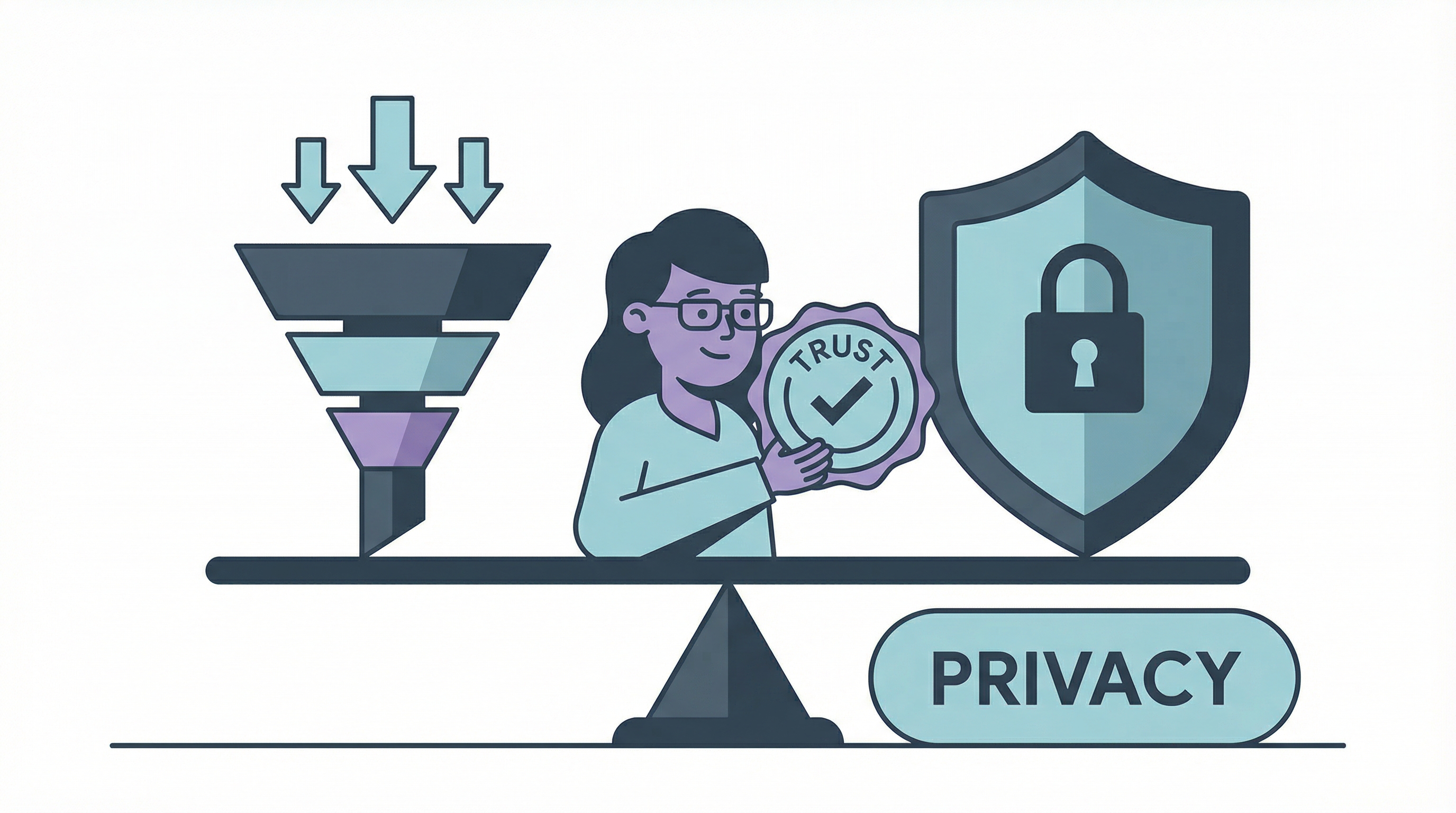
Transparency is the new currency of trust. In 2026, many leading brands include a small "AI Assisted" badge on their synthetic content. This honesty actually builds rapport, showing the prospect that you value their time enough to use the most efficient tools available.
Furthermore, data privacy has evolved. With GDPR V2 and updated global standards, your automated funnel must be "Privacy by Design." This means AI agents must be programmed to respect opt-outs across all platforms instantly and ensure that the intent data they use is ethically sourced and compliant with 2026 regulations.
Frequently Asked Questions About Sales Funnel Automation
Can you fully automate a sales funnel?
For low-ticket B2C and simple B2B SaaS, yes. For enterprise sales involving multi-million dollar contracts, automation handles 90% of the journey, but the final 10% still requires human negotiation and relationship management.
What is the best software for sales funnel automation?
In 2026, the "best" software is the one that integrates most seamlessly with your existing data. Look for platforms that offer "Agentic" capabilities and native Generative AI rather than bolt-on plugins.
How does AI impact sales job security?
AI is shifting the role of the salesperson from a "doer" (prospecting, emailing, data entry) to a "strategist and editor." The most successful reps in 2026 are those who can manage a fleet of AI agents to amplify their own expertise.
How long does it take to build an automated funnel?
A basic automated sequence can be deployed in days. However, a fully integrated, autonomous matrix typically takes 3-6 months to pilot, tune, and scale effectively.
Conclusion
As we have explored, the sales funnel of 2026 is a marvel of technological integration. By embracing synthetic content to drive awareness, leveraging the $1.5 trillion value of Generative AI, and reclaiming hours of daily time through intelligent workflows, businesses can achieve unprecedented levels of growth.
In this era, the company with the "best" product doesn't always win. The winner is the company that provides the most frictionless, automated, and intelligent buying journey. Buyers in 2026 value their time above all else; if your funnel respects that time through seamless automation, you have already won half the battle.
Now is the time to act. Audit your current "manual" touchpoints and identify where the "manual labor tax" is holding you back. The future of sales is autonomous—make sure you are the one steering the machine. Get started today by exploring how automation can redefine your revenue goals.